



Why Your Lower Back Feels So Tight
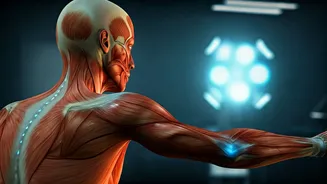
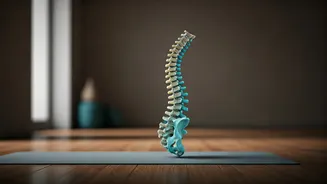
That persistent, nagging tightness in your lower back often stems from prolonged periods of sitting, poor posture, or muscular overuse. [1] When we sit for hours, our hip flexors shorten and tighten, while our glute muscles weaken. This imbalance forces
the muscles of the lower back, like the erector spinae, to overwork and compensate, leading to stiffness, tension, and pain. [1] Stress is another major contributor, as it causes muscles throughout the body to clench, further stiffening the back. [1] Over time, this chronic tension can feel like a constant, unwelcome companion.
The Science of Relief: How Child's Pose Works
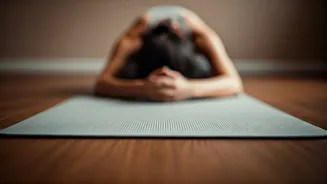
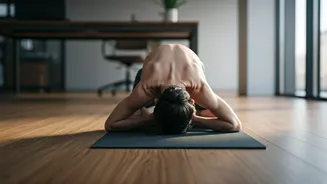
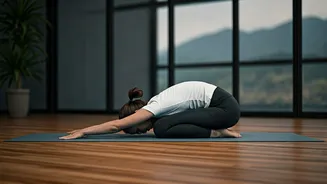
Child's Pose, known in Sanskrit as Balasana, is a foundational resting posture in yoga that provides a gentle yet effective solution. [2] Its power lies in its ability to decompress the spine and lengthen the surrounding muscles. As you fold forward, the pose creates a mild flexion in your lumbar spine, gently stretching the tight erector spinae muscles and the powerful latissimus dorsi that connect your back to your arms. [1, 10] This forward fold allows the vertebrae to separate slightly, creating space and alleviating pressure on the spinal discs. [7, 16] Simultaneously, it stretches the hips, thighs, and glutes, addressing the muscular imbalances that often initiate the back pain cycle. [3] The pose also activates the parasympathetic nervous system, promoting a state of relaxation that helps release stress-related muscle tension. [8]
A Step-by-Step Guide to the Perfect Child's Pose
Performing Child's Pose correctly is key to unlocking its benefits. Follow these simple steps for a safe and restorative stretch. [3, 6] 1. **Start on all fours:** Begin on your hands and knees in a 'tabletop' position, with your hands directly under your shoulders and your knees under your hips. [9, 10] 2. **Position your knees:** Bring your big toes to touch and widen your knees slightly wider than your hips. A wider knee position can be more comfortable and allows for a deeper hip stretch. [6, 15] 3. **Sit back and fold forward:** Exhale and slowly lower your hips back towards your heels. As you sit back, walk your hands forward, allowing your torso to rest between or on top of your thighs. [3, 9] 4. **Extend and relax:** Let your forehead rest gently on the mat. [4] Extend your arms out in front of you with palms down for an active stretch, or bring them to rest alongside your body with palms facing up for a more passive release. [14] Focus on keeping your spine long. [6] 5. **Breathe into the stretch:** Hold the pose for at least 30 seconds, or up to a few minutes. [2] Breathe deeply into your back, imagining your breath creating more space and releasing tension with each exhale. [9]
Modifications for Every Body
Child's Pose should feel restorative, not stressful. If you experience discomfort, simple modifications can make all the difference. * **For knee pain:** If kneeling is uncomfortable, place a rolled-up blanket or towel behind your knees to reduce the pressure. [4, 23] You can also place a blanket between your calves and thighs to decrease the angle of flexion in the knees. [5, 18] * **For tight hips:** If your hips don't comfortably reach your heels, place a bolster or a firm cushion on top of your heels to rest on. This elevates your hips and reduces strain. [14, 18] * **If your head doesn't reach the floor:** Rest your forehead on a yoga block or a stack of books to keep your neck relaxed and aligned with your spine. [6, 18] * **For a deeper side stretch:** From Child's Pose, walk both hands over to the right side of your mat to feel a stretch along the left side of your body, then repeat on the other side. [4, 13]
Making It Part of Your Routine
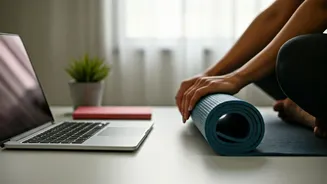
While the headline's promise of "instant" relief speaks to the immediate feeling of release this pose can provide, consistency is the key to managing chronic tightness. [8] Incorporate Child's Pose into your daily routine. Try practicing it for a few minutes after waking up to ease morning stiffness, or use it as a break during a long day of sitting at a desk. [13] It also serves as an excellent cool-down after a workout or a calming posture before bed to help de-stress from the day. [9] Listening to your body and using this pose as a tool for gentle release can transform it from a temporary fix into a sustainable part of your long-term wellness strategy. [8]