




The Unseen Danger of Urban Heat
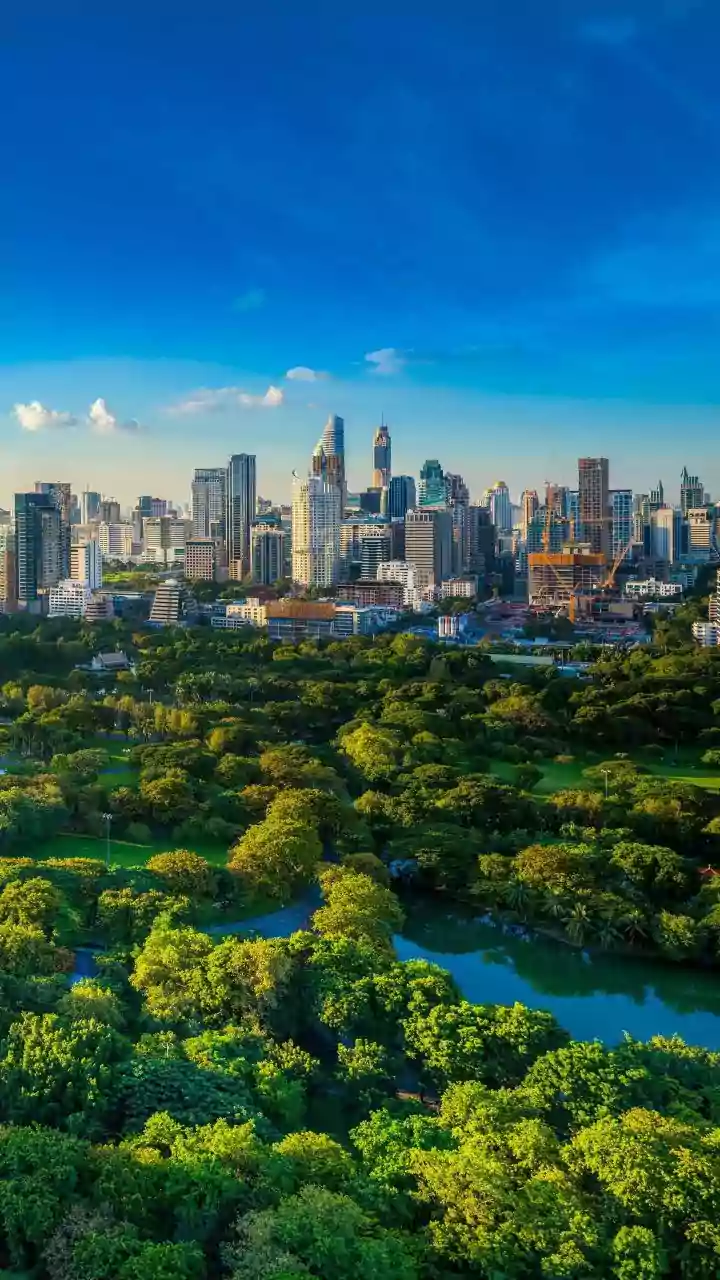
Our cities are becoming significantly hotter than surrounding rural areas, a phenomenon known as the urban heat island effect. Vast expanses of concrete and asphalt absorb and retain solar radiation, while a lack of green cover prevents natural cooling.
This isn't just about uncomfortable afternoons; it poses a severe public health crisis. Extreme heat is a leading cause of weather-related fatalities, exacerbating conditions like cardiovascular and respiratory illnesses. It can lead to heat exhaustion, heatstroke, and puts immense strain on our healthcare systems, especially during prolonged heatwaves. The danger is particularly acute for vulnerable populations, including the elderly, young children, and outdoor workers, who have no escape from the oppressive temperatures.
Redefining Infrastructure for a Hotter World
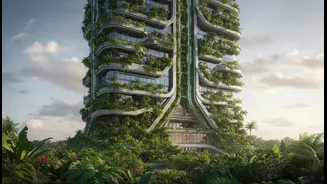
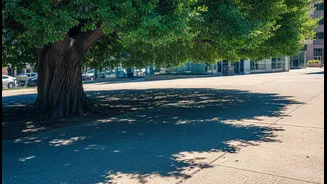
When we think of infrastructure, we picture roads, bridges, and power grids. It's time to add shade to that list. Treating shade as infrastructure means moving beyond seeing trees and awnings as mere beautification. It's a strategic decision to create a network of cooling corridors that make a city functional for its people. This 'shade infrastructure' includes a variety of solutions: a robust urban tree canopy, covered walkways, green roofs, and even engineered structures like shade sails over public squares and bus stops. The goal is to ensure that residents can walk, wait for a bus, or simply rest in public spaces without risking their health. Just like streetlights make a city usable at night, shade makes a city livable during the day.
Heat, Shade, and Social Equity
The lack of shade is not felt equally. Studies consistently show that low-income and historically marginalized communities often have fewer trees and green spaces and more heat-absorbing surfaces. This is a direct legacy of past planning decisions that created deep-seated environmental inequities. As a result, the communities least equipped to handle the effects of extreme heat—due to factors like lack of access to air conditioning or pre-existing health conditions—are the ones who suffer the most. Investing in shade is therefore a matter of social justice. Prioritizing tree planting and cooling initiatives in these underserved neighbourhoods is a direct way to protect the most vulnerable and begin to correct historical imbalances.
Cities Cooling Down
Around the world, forward-thinking cities are already embracing this new paradigm. In Seville, Spain, projects are underway to create shaded public spaces and cool walkways to combat soaring temperatures. Cities in US, like Los Angeles and Miami, are experimenting with reflective 'cool pavements' and expanding their tree canopies to reduce surface temperatures. Ahmedabad in India has been a pioneer with its Heat Action Plan, which integrates public awareness with efforts to increase cooling measures, explicitly recognizing shade as a necessity for public health and climate adaptation. These initiatives demonstrate that cooling our cities is not a far-fetched dream but a practical and achievable goal through dedicated planning and investment.