




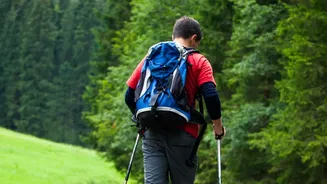
The Golden Rules Of The Trail
Before you even step onto the trail, your best tool is awareness. Parks Canada emphasizes that avoiding a surprise encounter is the safest strategy. Make noise to alert animals of your presence; talk loudly, clap, or sing, especially near streams, in dense
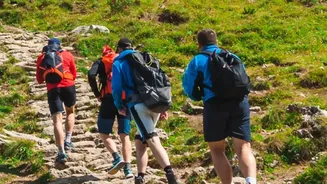
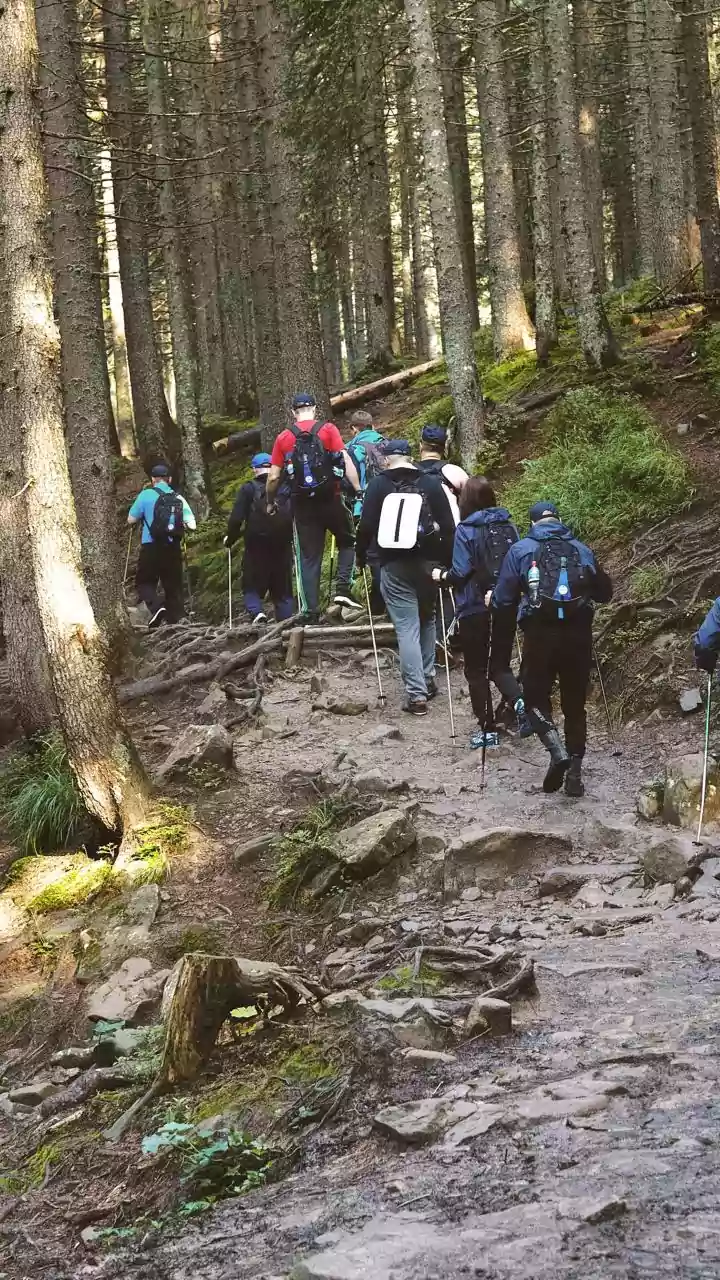
brush, or on windy days. Forget the headphones; you need all your senses. Always be watchful for fresh signs of wildlife, such as droppings, tracks, or diggings. If you find a large animal carcass, leave the area immediately as a predator may be nearby defending its food. Travelling in a group of four or more significantly reduces your risk, as larger groups are more intimidating to predators. Lastly, keep dogs on a leash at all times, as they can provoke wildlife and lead a dangerous animal back to you.
Bear Essentials: Grizzlies and Black Bears
Bears get the most attention, and for good reason. Both grizzly and black bears inhabit the Rockies. While they generally prefer to avoid people, a sudden encounter can be dangerous. Your most important piece of equipment is bear spray. Carry it in a holster where it is immediately accessible, not in your backpack, and know how to use it. It is legal in Canada for use against wildlife but not people. If you see a bear, stop and stay calm. Do not run, as this can trigger a chase response. Speak to it in a calm, firm voice to identify yourself as human. Back away slowly, and never turn your back. If the bear is a grizzly and it makes contact in a defensive surprise attack, Parks Canada advises to play dead. Lie on your stomach with your hands protecting your neck and your backpack on to protect your back. However, if the attack is from a black bear, or if any bear attack is predatory (stalking you) or prolonged, you must fight back with everything you have.
The Danger of 'Docile' Wildlife: Elk and Moose
It may be surprising, but more people are injured by elk in the Rockies than by bears. These large herbivores have lost much of their fear of humans in town sites and can be extremely dangerous, especially during the spring calving season (May-June) and the fall rut (September-October). Parks Canada recommends keeping a minimum distance of 30 metres—about three bus lengths—from all elk. Never get between a female and her calf, or a bull and his group of females. Signs of an agitated elk include pinned-back ears, teeth grinding, and stomping hooves. If one approaches you aggressively, try to make yourself look bigger, maintain eye contact, and back away to find cover behind a tree or vehicle. Unlike with a defensive bear, you should not play dead if an elk knocks you down; get up and try to move away.
Cougars, Wolves, and Other Carnivores
Encounters with cougars and wolves are much rarer, but you must be prepared. These predators are most active at dawn and dusk. If you encounter a cougar, the rules are different from a bear encounter. Never run or play dead. Make yourself look as large as possible, pick up small children, maintain direct eye contact, and speak in a loud, firm voice. The goal is to convince the cougar you are a threat, not prey. If it acts aggressively, shout, throw rocks, and wave sticks. If it attacks, fight back, focusing on the animal's face and eyes. Keeping dogs leashed is crucial, as cougars can view them as prey.
Your Responsibility as a Hiker
Safe hiking is also responsible hiking. Proper food storage is critical in the backcountry to avoid attracting animals to your campsite. Store all food, garbage, and scented items (like toiletries) in bear-proof containers or a designated food cache, at least 100 metres from your tent. Never leave food unattended, and 'pack it in, pack it out' applies to all garbage. Feeding any wildlife is illegal and dangerous, as it habituates them to humans, often leading to their destruction. Before you head out, always check the latest trail reports and wildlife warnings at a Parks Canada visitor centre. By being prepared and respectful, you help protect both yourself and the magnificent animals that call the Rockies home.