
Growing your own vegetables is a rewarding experience, but the first big decision is often where to plant them. While pots and garden beds both yield fresh produce, they are fundamentally different systems that require unique approaches to succeed.
The Soil Situation: Mix vs. Dirt
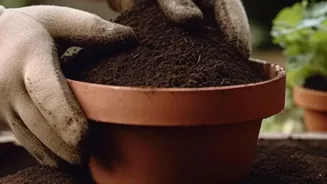
The
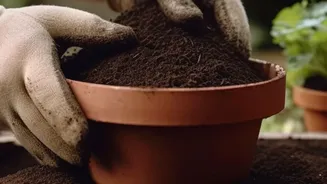
single most important difference lies in the growing medium. You should never use soil from your garden in a pot. Garden soil is heavy and compacts easily in a container, which suffocates roots and prevents proper drainage, leading to root rot. It can also introduce weed seeds and diseases. Pots require a specifically formulated 'potting mix'. These soilless blends of materials like peat moss, coir, and perlite are lightweight, provide excellent drainage, and resist compaction, creating the ideal environment for container-bound roots. Garden beds, on the other hand, use the native soil, which is often improved with compost and amendments. This soil food web is a living ecosystem with beneficial microbes and earthworms that aerate the soil and make nutrients available to plants, something a sterile potting mix lacks initially.
Watering: A Tale of Two Frequencies
Watering is the most frequent task for a container gardener. Pots, especially smaller ones made of porous materials like terracotta, dry out much faster than garden beds. The limited soil volume, exposure to wind on all sides, and heat absorption mean you might need to water daily—or even twice daily—during hot summer weather. In contrast, a garden bed has a much larger soil mass that holds moisture for longer. The surrounding earth insulates the roots and prevents water from evaporating as quickly. For garden beds, a general rule is deep, infrequent watering about two to three times a week, which encourages plants to develop deep, resilient root systems.
Nutrient Needs and Feeding Schedules
A plant in a garden bed can send its roots far and wide to find nutrients stored in the soil. A potted plant, however, is entirely dependent on the nutrients you provide within the confines of its container. To make matters worse, the frequent watering required for pots flushes out essential nutrients, particularly nitrogen, with every watering. This means container-grown vegetables are heavy feeders and require a consistent fertilizing schedule, often every one to two weeks with a liquid fertilizer during the growing season. Plants in a garden bed have access to a larger nutrient reserve and the ongoing breakdown of organic matter, so they typically require less frequent feeding.
Mobility and Sunlight
One of the greatest advantages of growing in pots is mobility. If you have a shady balcony or patio, you can move your containers around during the day to 'chase the sun', ensuring your sun-loving tomatoes and peppers get the six to eight hours they need. This flexibility is also invaluable for protecting plants from unexpected frost, harsh winds, or intense afternoon sun. Garden beds are stationary. Their location is a permanent decision, so you must choose a spot that receives adequate sunlight from the outset. While you can't move a garden bed, its stability and connection to the ground provide better insulation against temperature fluctuations.
Plant Selection and Root Space
The size of the container directly impacts the potential size of the plant. A small pot restricts root growth, which can lead to a stunted plant and a smaller harvest. While many 'bush' or 'patio' varieties of vegetables are specifically bred for containers, large, sprawling plants like standard tomatoes, vining squash, or deep-rooted vegetables like parsnips struggle in all but the largest of pots. Garden beds offer nearly unlimited root space, allowing plants to grow to their full genetic potential, which generally means healthier plants and bigger yields. This makes beds the better choice for large vegetable varieties and gardeners aiming for maximum production.
Pests and Weeds
Container gardening offers a head start against many common garden woes. By using a sterile potting mix, you eliminate most soil-borne diseases and weed seeds from the beginning. Weeding is minimal, and it's easier to isolate and manage a plant if a pest problem does arise. However, plants in pots can sometimes be more stressed due to fluctuations in water and nutrients, making them more susceptible to certain pests. Garden beds, with their greater biodiversity, can support a healthier population of beneficial insects that help control pests naturally. On the downside, they are also more prone to issues with soil-borne diseases and require more diligent weeding.