



1. Swap Frying for Other Methods
The most significant way to reduce oil consumption is to move beyond the kadhai filled with hot oil. Many delicious Indian dishes can be made with little to no oil using alternative cooking methods that are both healthier and more economical. Consider
investing in an air fryer, which can make samosas, pakoras, and tikkis crispy with just a brush of oil, using up to 80% less fat than deep-frying. Steaming is another excellent zero-oil method, perfect for classics like dhokla and idli, as well as fish and vegetables. Don't forget baking and grilling. An oven or OTG can be used to bake everything from koftas to cutlets, while a simple grill pan can give you perfectly charred paneer tikka or chicken kebabs without needing to douse them in oil.
2. Upgrade to Non-Stick Cookware
The type of pan you use directly impacts how much oil you need. Traditional iron or steel utensils often require a generous layer of oil to prevent food from sticking and burning. By switching to good-quality non-stick cookware, you can sauté onions, temper spices, and cook dosas or cheelas with as little as a teaspoon of oil. The smooth surface ensures food cooks evenly and releases effortlessly, which means you spend less time scraping the pan and more time enjoying your meal. For many everyday dishes like sabzis and bhurjis, a non-stick pan can reduce your oil usage by more than half, offering significant savings over time.
3. Measure Your Oil, Don't Pour It
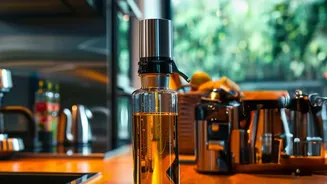
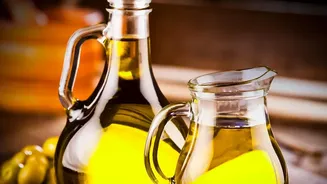
It’s a simple habit, but one that makes a huge difference. Free-pouring oil directly from the bottle into the pan is an easy way to use far more than you need. A seemingly quick pour can easily amount to three or four tablespoons of oil when only one is required. Start using a measuring spoon for all your cooking. This small change puts you in direct control of your consumption. For tadkas, use a small, dedicated tadka pan that requires less oil to heat the spices effectively. You can also try using an oil spray bottle. A quick spritz delivers a fine, even mist that coats the entire surface of a pan using a fraction of the oil you would pour from a bottle, delivering the same result with up to 80% less oil.
4. Use Water Instead of More Oil
A common practice in Indian cooking is to add more oil when masalas or vegetables start sticking to the pan. A healthier and cheaper alternative is to use water or vegetable stock. When sautéing onions for a gravy base, for example, you can start with a minimal amount of oil and then add a splash of water as they begin to dry out. The steam created helps to cook the onions and prevent them from burning, a technique often called “water sautéing.” This works for browning spices and cooking vegetables as well. You can also use tomato puree or yogurt as a base for curries, which adds moisture and flavour without the need for excess fat.
5. Dry Roast Spices for Maximum Flavour
The flavour in Indian food comes from the spices, not necessarily the oil they are fried in. One of the most effective techniques for reducing oil is to dry roast your whole spices before using them. Toasting spices like cumin, coriander seeds, and cloves in a dry pan over low heat for about 30-40 seconds releases their essential oils and deepens their aroma. This means you get a much more flavourful base for your dish without relying on fat to extract the taste. After dry roasting, you can proceed with your recipe using significantly less oil in the tadka or gravy, because the spices have already been activated and are at their aromatic peak.