






The Concrete Sponge Effect
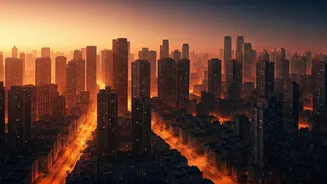
The primary culprit behind sweltering city nights is the very material our urban landscapes are built from. Concrete, asphalt, brick, and dark-coloured roofing are excellent at absorbing and storing the sun's heat during the day. Unlike natural landscapes that
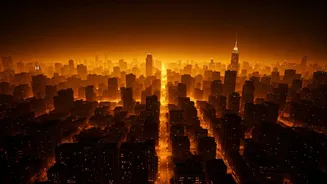
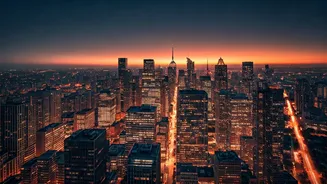
cool down quickly after sunset, these dense materials act like a giant sponge, soaking up solar radiation and then slowly releasing it throughout the evening and night. This process means that while rural areas begin to cool, urban centres continue to radiate stored heat, keeping temperatures elevated for hours and turning our homes into heat traps. Studies in Indian cities have shown that this effect can make indoor temperatures several degrees hotter than the outside air well after dark.
The Missing Green and Blue
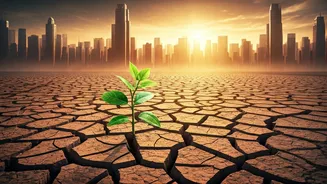
A critical flaw in the planning of many Indian cities is the drastic reduction of natural cooling systems: green and blue spaces. Trees, parks, and other vegetation provide shade and cool the air through a process called evapotranspiration, where plants release water vapour. Similarly, water bodies like lakes and ponds act as natural coolants. However, rapid and often unplanned urbanisation has replaced these vital elements with heat-absorbing buildings and pavement. This loss of green cover not only removes natural air conditioners but also eliminates the shade that prevents surfaces from heating up in the first place, intensifying the overall heat island effect.
Trapped in the Urban Canyon
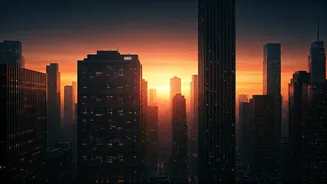
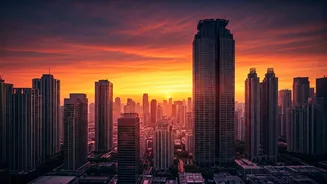
The very shape of our cities contributes to the problem. Tall buildings constructed close to one another create what are known as "urban canyons." This dense layout traps heat in several ways. Firstly, it limits the amount of open sky visible from the ground, which reduces the ability of buildings and streets to radiate their stored heat back into space at night. Secondly, these canyons can block wind flow, preventing cooler air from circulating and flushing out the accumulated warmth. The result is a stagnant, hot microclimate where the air remains trapped and heated by the surrounding buildings, making nighttime cooling incredibly inefficient.
Why Hot Nights Are a Health Hazard
The inability to cool down at night isn't just a matter of discomfort; it's a serious public health issue. Our bodies rely on cooler nighttime temperatures to recover from the heat stress accumulated during the day. When nights remain warm, the body is under constant strain, increasing the risk of heat exhaustion, heatstroke, and worsening chronic conditions like cardiovascular and respiratory diseases. Vulnerable populations, including the elderly, children, and those in low-income housing with poor ventilation, are at the highest risk. Furthermore, the persistent heat drives up energy consumption from air conditioning, placing a strain on power grids and increasing costs for households.
Designing for a Cooler Future
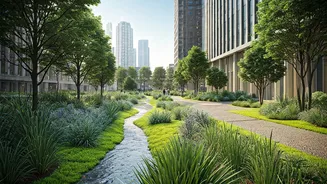
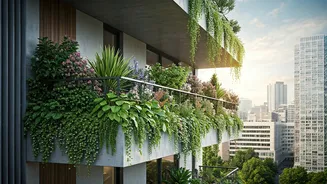
The good news is that these planning flaws can be corrected. Cities across India are beginning to adopt strategies to mitigate urban heat. Solutions include implementing "cool roofs" with reflective coatings that absorb less sunlight, which can reduce indoor temperatures significantly. Expanding "blue-green infrastructure" by planting more trees, creating parks, restoring water bodies, and even installing vertical gardens on buildings can reintroduce natural cooling mechanisms. Smarter urban planning that promotes better air circulation, avoids the creation of deep urban canyons, and integrates heat considerations into building codes is crucial. Cities like Ahmedabad have already shown success with Heat Action Plans that combine these strategies with public awareness campaigns.