



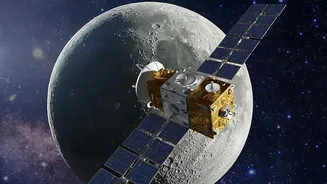


The Big Shift: A New Space Policy
Until recently, the Indian Space Research Organisation (ISRO) was the primary designer, manufacturer, and operator of the nation's space assets. However, landmark policy reforms starting around 2020 have fundamentally changed the landscape. The Indian Space Policy
2023 officially codified a new structure, designed to boost private participation and grow India's share of the global space economy from 2% to a targeted 10%. This isn't about privatising ISRO; it's about expanding the entire ecosystem. The goal is to free up ISRO to focus on what it does best—advanced research, deep-space exploration, and national security missions—while private companies handle more routine operations, manufacturing, and commercial services. This strategic pivot has created a fertile ground for startups and established companies to innovate and scale.
Understanding the New Rulebook: IN-SPACe and NSIL
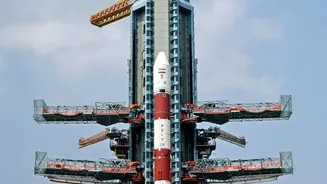
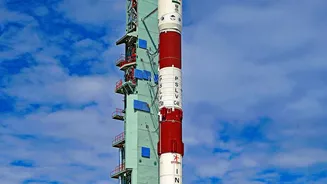
Two key bodies now govern this new ecosystem. Think of the Indian National Space Promotion and Authorisation Centre (IN-SPACe) as the single-window facilitator and regulator. It's the agency that authorises, promotes, and guides private companies, giving them access to ISRO's world-class facilities and expertise. If a startup wants to launch a satellite or test a new rocket engine, they go through IN-SPACe. NewSpace India Limited (NSIL), on the other hand, is the commercial arm of ISRO. Its job is to commercialise ISRO's existing technologies and capabilities. This includes managing the production of proven workhorses like the PSLV rocket through industry consortiums and marketing launch services to international clients. Together, they create a clear framework where private innovation can flourish alongside public expertise.
Meet the Trailblazers: India's Space Startups
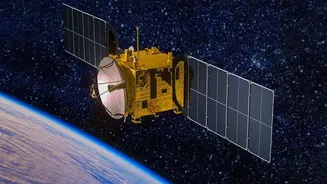
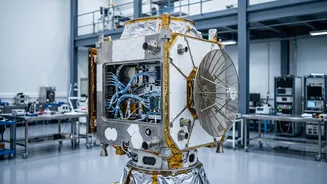
The policy changes have led to an explosion of over 400 space startups in India. These aren't just small ventures; many are well-funded and achieving significant milestones. Skyroot Aerospace made history in 2026 by becoming the first private Indian company to launch a rocket into orbit. Agnikul Cosmos is pioneering 3D-printed, semi-cryogenic rocket engines for small satellite launches. In the satellite domain, Pixxel is building a constellation for hyperspectral imaging, providing data for agriculture and climate monitoring. Other key players include Dhruva Space (full-stack satellite solutions), Digantara (space traffic management), and Bellatrix Aerospace (advanced propulsion systems). These companies are creating a vibrant job market across the entire space value chain, from launch vehicles to downstream data analytics.
The Skills in Demand: It's Not Just Rocket Science
While a degree in aerospace or mechanical engineering remains a primary entry point, the needs of the modern space industry are incredibly diverse. Software is at the heart of every mission, creating huge demand for engineers skilled in Python, C++, and embedded systems. As companies like Pixxel and SatSure launch more satellites, there is a growing need for data scientists and GIS experts who can analyse the vast amounts of information beamed back to Earth. Other critical fields include electronics and communication engineering for avionics and telemetry, materials science for developing new composites, and robotics for autonomous systems. Strong fundamentals in physics and mathematics are crucial, but so are soft skills like problem-solving, analytical thinking, and teamwork.
Finding Your Launchpad: Where the Jobs Are
The traditional path into ISRO through institutions like the Indian Institute of Space Science and Technology (IIST) is still a fantastic option. However, the private sector offers a new, dynamic frontier. The top engineering colleges like the IITs and NITs are major recruitment grounds for leading space startups. To get a foot in the door, young engineers should actively follow the career pages of companies like Skyroot, Agnikul, and Pixxel. Practical experience is highly valued, so internships, university space clubs, and participating in engineering competitions can provide a significant edge. Networking is also key. Follow industry leaders and companies on professional platforms, attend webinars, and engage with the burgeoning online community of space enthusiasts and professionals in India. This proactive approach will help you stay on top of the latest developments and opportunities in this fast-evolving field.