

The Zero-Waste Flavour Bomb
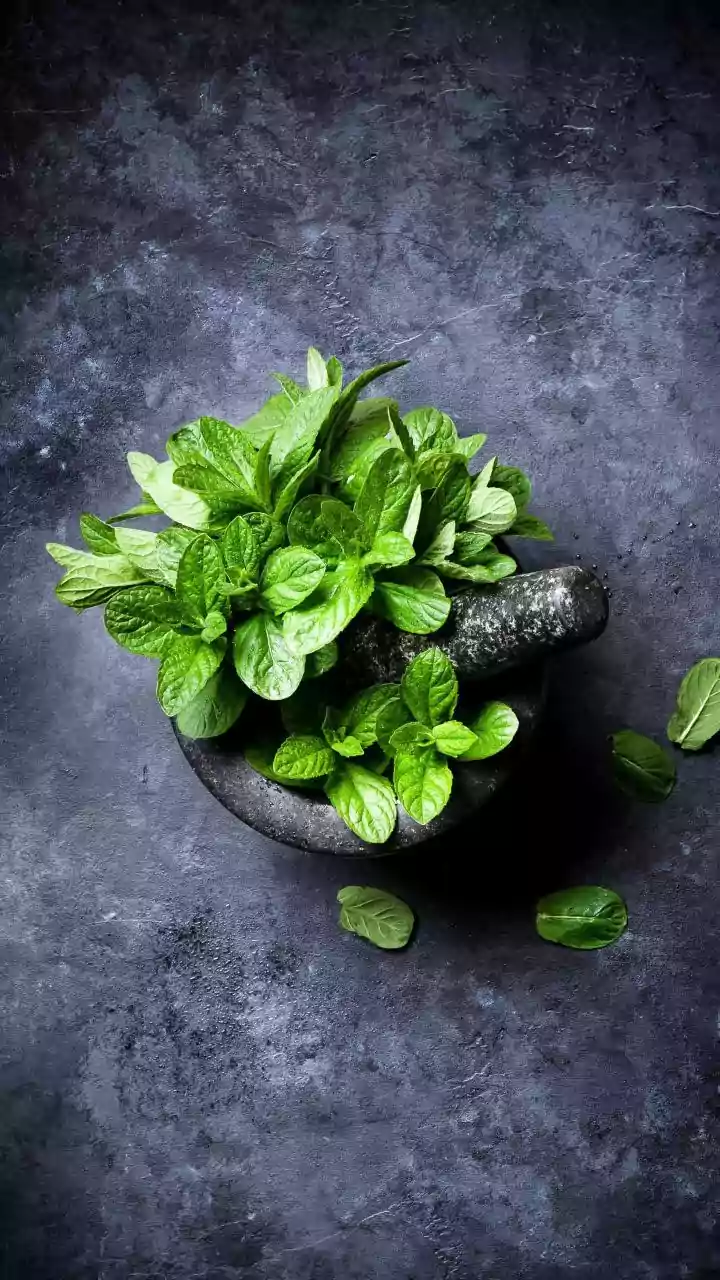
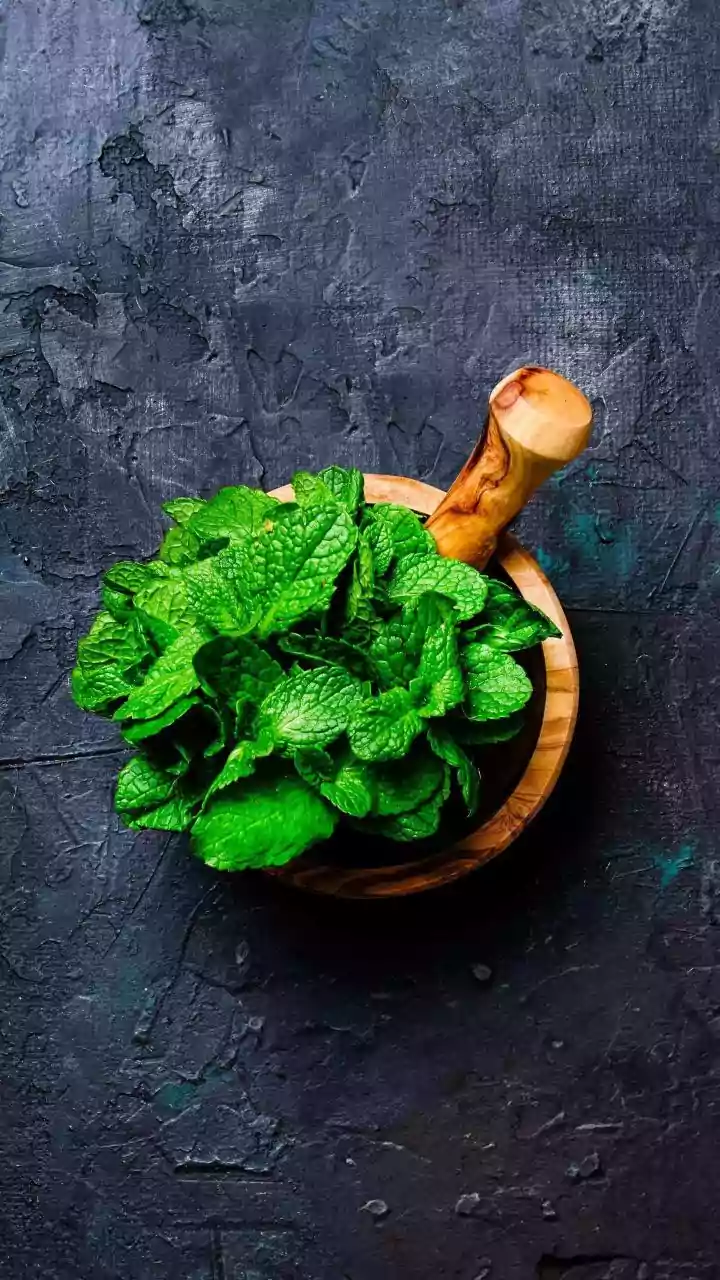
In professional kitchens, throwing away herb stems is like throwing away flavour. Cooks know that the stems of soft herbs like coriander (dhania) and mint (pudina) are culinary gold. While the leaves are delicate, the stems are robust, holding a more
intense and punchy concentration of the herb's essential oils. By using them, you not only extract maximum value from the bunch you bought but also take a meaningful step towards a zero-waste kitchen. This practice isn't about being frugal; it's about being smart and unlocking hidden flavours you've already paid for. The result is a sophisticated ingredient, made from scraps, that tastes expensive and complex.
What You Will Need
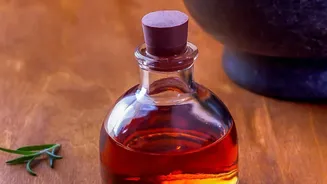
The beauty of this process lies in its simplicity. You only need a few basic items: a generous handful of fresh coriander and mint stems (washed and patted thoroughly dry), a cup of neutral-flavoured oil, a small saucepan, and a clean, sterilised glass jar or bottle for storage. Water is the enemy of infused oils as it can promote spoilage, so ensuring your stems are completely dry is a critical first step. For the oil, choose one that won't overpower the delicate herb flavours. Sunflower, grapeseed, or a light olive oil are excellent choices. Avoid strong, peppery extra virgin olive oils unless you want that flavour to compete with the herbs.
The Heated Infusion Method: A Step-by-Step Guide
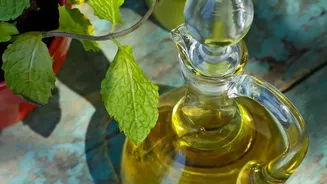
While cold infusions exist, the heated method is faster and safer for fresh ingredients like herb stems because it helps inhibit bacterial growth. First, lightly bruise the clean, dry stems with the back of a knife to help release their aromatic oils. Next, combine the stems and your chosen oil in a small saucepan. Gently heat the mixture over low heat until it reaches around 80°C (180°F) – it should be hot, but not smoking or frying the herbs. Turn off the heat and let the stems steep in the hot oil until it cools completely, which can take an hour or more. This slow steeping coaxes out the full spectrum of flavour. Once cooled, strain the oil through a fine-mesh sieve or cheesecloth into your sterilised storage jar, pressing on the stems to extract every last drop. Discard the spent stems.
A Critical Note on Safe Storage
Homemade infused oils with fresh ingredients require careful handling to prevent the risk of botulism, a serious illness caused by toxins from Clostridium botulinum bacteria. These bacteria thrive in low-acid, oxygen-free environments like oil. Because this recipe uses fresh, non-acidified herbs, the resulting oil is not shelf-stable. It must be stored in the refrigerator and used within four days to a week for maximum safety and freshness. For longer-term storage, the oil can be frozen. Never store homemade fresh herb oil at room temperature.
Beyond Coriander and Mint
This technique is not limited to just coriander and mint. It works beautifully with a variety of other soft herb stems you might otherwise discard. Stems from parsley, dill, and basil are all fantastic candidates. You can create single-herb oils or experiment with your own custom blends. Imagine a parsley and dill stem oil for fish dishes or a basil stem oil for drizzling over tomatoes and mozzarella. Even the woodier stems of herbs like rosemary and thyme can be used, though they release their flavour best with a longer, slower steep. Keeping a bag in the freezer for collecting stems is a great way to save them up until you have enough to make a batch of oil or broth.
How to Use Your Homemade Herb Oil
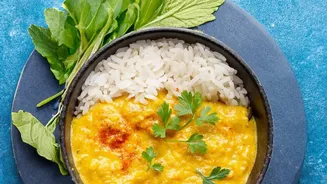
Your vibrant green oil is a versatile finishing touch for countless dishes. Drizzle it over a simple dal, lentil soup, or roasted vegetables to add a final burst of freshness. Use it as the base for a flavourful salad vinaigrette by simply adding lemon juice or vinegar and a pinch of salt. It’s perfect for tossing with pasta, drizzling on grilled chicken or fish, or serving alongside warm bread for dipping. You can even fold it into hummus, yoghurt dips, or marinades to add an extra layer of bright, herbal flavour.