



The Squeeze Secret Revealed
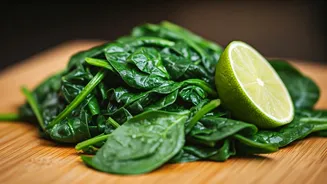
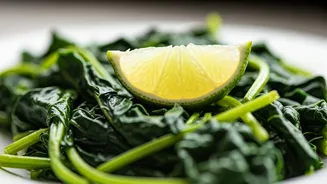
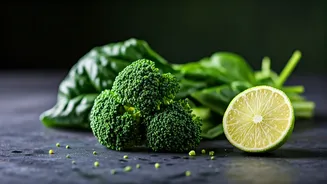
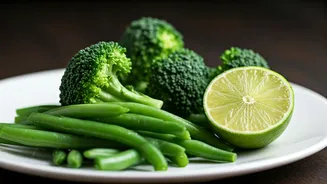
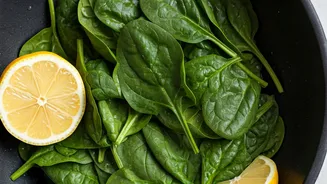
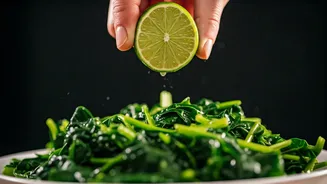
The hack you’ve heard about involves a simple squeeze of lemon juice. It’s a fantastic trick, but there’s a crucial detail that makes all the difference: timing. Many people assume you should add the acid during cooking, but this is the fastest way to
turn your greens dull. The real secret is to add that bright, acidic squeeze right at the end, after the greens are cooked and off the heat. The lemon juice is for finishing; it brightens the flavour and adds a delicious zing without having time to ruin the beautiful colour you’ve worked to preserve.
The Science of Green and Grey
So, why do greens lose their colour in the first place? It all comes down to chemistry. That gorgeous green hue comes from a pigment called chlorophyll. When you apply heat, the cell walls of the vegetable break down. This initially makes the colour brighter as trapped gases escape. But prolonged heat, especially for more than seven minutes, causes the plant's own natural acids to be released. These acids react with the chlorophyll, kicking out a central magnesium atom and replacing it with hydrogen. This changes the molecule into something called pheophytin, which has a dull, grey-green colour. Adding an acid like lemon juice or vinegar to the pot during cooking simply speeds up this unfortunate process.
The Real Key: Don't Overcook
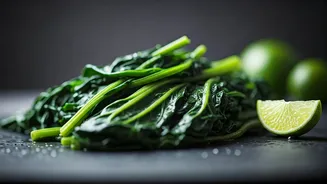
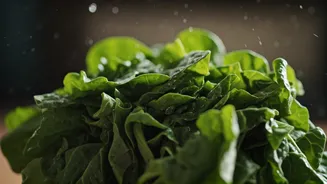
Before any hacks or tricks, the single most important rule for keeping greens green is to avoid overcooking them. The colour-changing reaction needs time to occur. Whether you are boiling, steaming, or sautéing, aim for crisp-tender perfection. For most greens, this means cooking them for just a few minutes. As soon as they turn a vibrant, bright green, they are likely ready. Tender greens like spinach might only need 30 to 60 seconds, while heartier greens like collards or kale may take a few minutes. Test a piece frequently; you want it tender but still with a bit of life left in it.
Master the Pro Move: Blanch and Shock
If you want guaranteed, jewel-toned greens every single time, adopt the technique used by professional chefs: blanching and shocking. It sounds complicated, but it’s incredibly simple and effective. First, bring a large pot of generously salted water to a rolling boil. Drop your greens in for a very short time—just 1-2 minutes until they turn bright green. This is blanching. Then, using a slotted spoon, immediately transfer the greens from the boiling water into a large bowl filled with ice water. This is shocking. This cold plunge instantly halts the cooking process, locking in the vibrant colour and perfect texture.
More Tips for Vibrant Veggies
To further set yourself up for success, always use a large pot with plenty of boiling water. Overcrowding the pot lowers the water temperature, forcing you to cook the vegetables for longer while the water comes back to a boil, which gives the colour-dulling enzymes more time to work. Cooking in smaller batches is better than cramming them all in at once. Also, consider cooking with the lid off. This allows some of the volatile acids released from the vegetables to escape with the steam rather than dripping back down onto your greens. These small adjustments, combined with the right cooking time, make a huge difference.