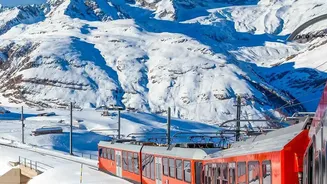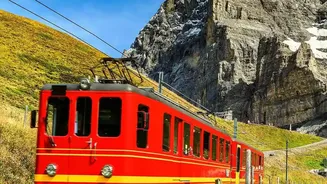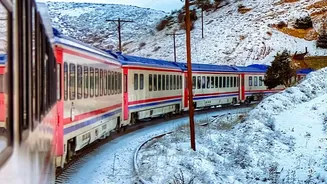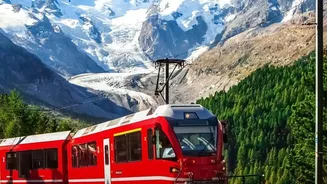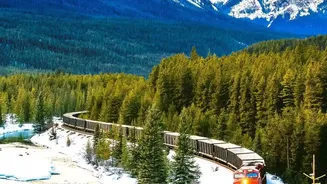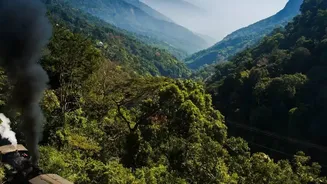


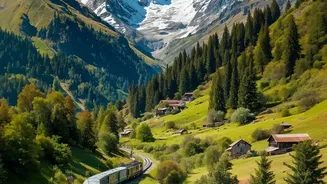
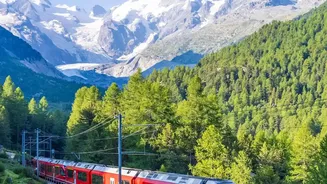
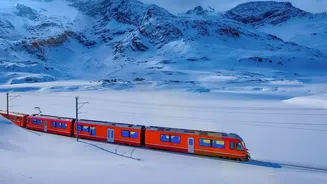
The Magic of Mountain Railways
Choosing the train for a journey to the mountains is about more than just transport; it’s an experience. India’s famous mountain railways, like the UNESCO World Heritage-listed Kalka-Shimla Railway, offer a slow, scenic immersion into the landscape that
a flight or road trip cannot match. As the train gently climbs, you witness the plains give way to rolling foothills and then to pine-covered slopes, all from a comfortable seat. In winter, these journeys become particularly enchanting, with crisp, clear air and the possibility of snow-blanketed vistas creating postcard-perfect moments. The Darjeeling Himalayan Railway, another iconic 'toy train', provides stunning views of the Kanchenjunga range on clear winter mornings. These train rides allow you to bypass the stress of driving on icy highways for the bulk of your trip, delivering you right into the heart of the hills.
Top Destinations and Their Railheads
Several of India’s most beloved snow destinations are accessible by a combination of mainline trains and scenic narrow-gauge lines. For Shimla, the 'Queen of Hills', the journey involves taking a train to Kalka and then switching to the famous toy train for the final, breathtaking ascent. The entire ride from Kalka takes about five to six hours, passing through over 100 tunnels. For those dreaming of a Darjeeling winter, the nearest major railway station is New Jalpaiguri (NJP). From NJP, you can hire a cab for the three-hour drive or embark on the day-long toy train journey for the full heritage experience. Other destinations like Auli and Munsiyari in Uttarakhand are best reached by taking a train to a nearby city like Dehradun or Kathgodam, followed by a multi-hour road trip.
The Crucial Last-Mile Challenge
The romance of the train journey meets the reality of mountain weather at the last mile. This term refers to the final leg of your travel, typically the road journey from the destination railway station (like Shimla or New Jalpaiguri) to your hotel or the main town centre. This is where winter weather can pose significant challenges. Heavy snowfall, a common occurrence in the Himalayas from December to February, can lead to widespread road closures. Even moderate snow can make roads slick with 'black ice', creating treacherous driving conditions. In regions like Himachal Pradesh, it is not uncommon for hundreds of roads, including key connecting routes, to be shut down during a heavy spell, disrupting travel plans. This can mean long delays, cancelled taxi bookings, or being stranded until the roads are cleared.
How to Plan for Weather Disruptions
Smart planning can mitigate the impact of unpredictable weather. First, build buffer days into your itinerary. Avoid scheduling a tight connection or a flight home on the same day you plan to travel down from the hills. Second, stay informed. Constantly check weather forecasts and local police advisories, which often announce road closures. When booking taxis for the last mile, opt for experienced local drivers and consider using 4x4 vehicles, which are better equipped for snowy conditions. It's also wise to book hotels with some flexibility in their cancellation policies. Finally, pack for the unexpected. Carry extra food, water, a power bank for your phone, and a first-aid kit, as you may face delays. Having these essentials can make a long wait in a traffic jam far more manageable.
Packing for a Winter Train Journey
Your packing list should cater to both the cozy train ride and the harsh mountain cold. The key is layering. Start with thermal base layers, add a fleece or light down jacket for insulation, and top it off with a waterproof and windproof outer shell. This system allows you to adapt to changing temperatures. For footwear, choose waterproof boots with good grip, as you'll encounter snow and ice. Don’t forget essentials like warm woolen socks, gloves, a cap, and a scarf to prevent heat loss. Sunglasses are a must, as the glare from fresh snow can be intense. Finally, since train coaches can be chilly in the morning, keep a jacket handy rather than packed deep in your suitcase.