




The Vertical Imperative: Why Cats Climb
Have you ever found your cat perched precariously atop a bookshelf, a refrigerator, or the highest point of your sofa? This isn't just a quirky habit; it's a deep-seated instinct. In the wild, a cat’s ancestors climbed trees to survey their territory,
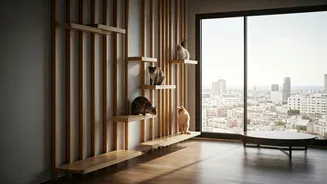
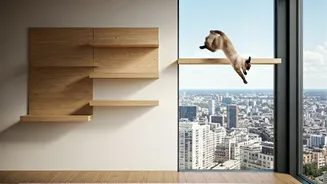
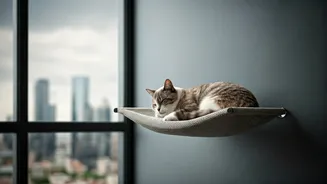
spot prey, and escape predators. Height equals safety and control. For an indoor cat, especially in a compact apartment, this instinct remains powerful. A high vantage point allows them to feel secure, observe the household from a safe distance, and establish their own space away from the ground-level hustle and bustle of family life or other pets. Denying them vertical territory is like confining a bird to a life of walking; it ignores a fundamental aspect of their nature. Providing vertical options is one of the most effective forms of environmental enrichment you can offer.
What Are Vertical Climbing Bridges?
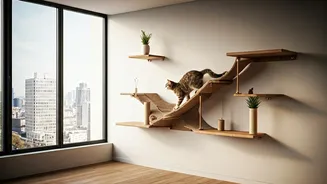
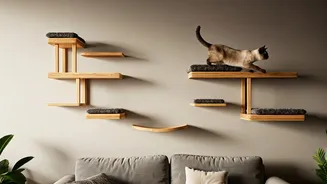
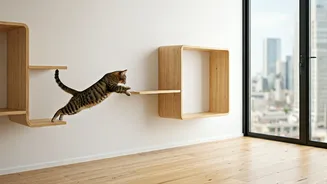
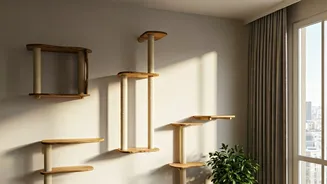
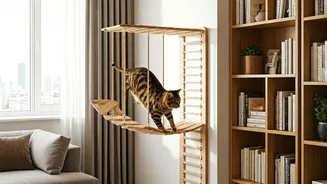
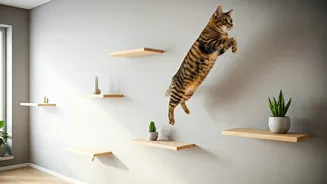
Enter the cat bridge. Far more dynamic than a standard cat tree, a climbing bridge is a suspended walkway, usually made of wood slats and rope, that connects two high points. Think of it as a piece of an aerial highway system for your cat. These bridges can link two wall-mounted shelves, connect a cat tree to a window perch, or create a path from one piece of cat-friendly furniture to another. Unlike a static shelf, the slight sway and movement of a bridge engage your cat’s sense of balance and provide a more stimulating physical challenge. They come in various lengths and styles, from simple rope-and-dowel constructions to more elaborate, sturdy designs. The goal is to create a network of pathways that allows your cat to navigate a portion of the room without ever touching the floor.
Planning Your Cat's Sky-High Highway
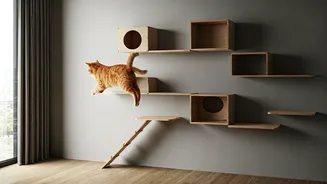
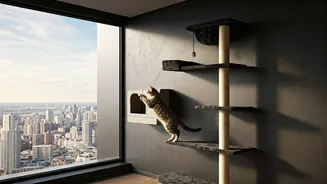
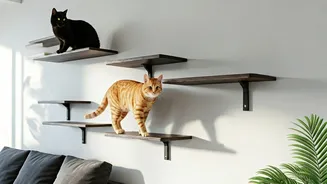
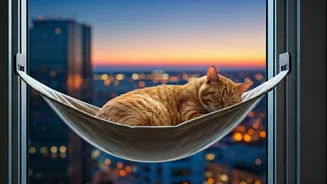
Before you start drilling holes, take a moment to plan. Observe your cat's current habits. Where do they like to nap? Which window offers the best view of the birds outside? The most successful cat highways connect these points of interest. Start by identifying sturdy anchor points on your walls. The bridges must be securely fastened to wall studs to support your cat’s weight as they jump and run. A simple layout might involve two wall-mounted shelves with a bridge spanning the distance between them. For a more advanced setup, you could create a full loop around the room, incorporating shelves, scratching posts, and cozy nooks. Ensure the platforms are large enough for your cat to comfortably turn around and rest. Safety is paramount: check for stability, sand any rough edges, and make sure there are no large gaps where a paw could get stuck.
DIY vs. Store-Bought Solutions
You don't need a massive budget to build your cat's dream jungle gym. Many online retailers now offer pre-made cat bridge kits that come with all the necessary hardware. These are a great option if you want a quick and reliable solution. However, for those with a knack for DIY projects, creating a cat bridge can be a fun and cost-effective weekend activity. The basic materials are simple: a few sturdy wooden planks for the platforms, untreated wood dowels or slats for the bridge steps, and strong, natural-fibre rope like jute or sisal. You can often get wood cut to size at a local hardware store. A DIY approach allows you to customise the length and design to perfectly fit your space and aesthetic, ensuring the new feline furniture complements your home decor rather than clashing with it.
The Benefits: A Happier Cat, A Calmer Home
The investment in vertical space pays off in numerous ways. Physically, climbing and balancing on a bridge provides excellent exercise, helping to keep your cat at a healthy weight and their muscles toned. Mentally, it combats boredom, which is a leading cause of destructive behaviours like scratching furniture or excessive meowing. When a cat has its own designated territory and stimulating outlets, it is less likely to feel stressed or anxious. This can be especially beneficial in multi-cat households, as it provides more territory to share, reducing conflict. A confident, well-exercised, and mentally stimulated cat is a happier companion, leading to a more peaceful and harmonious home for everyone.