
How Yoga Unlocks Flexibility
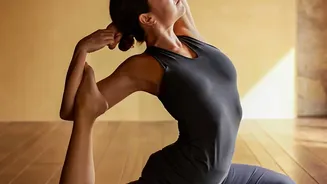
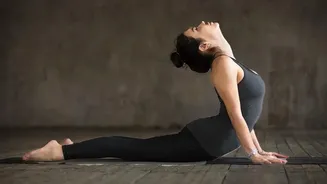
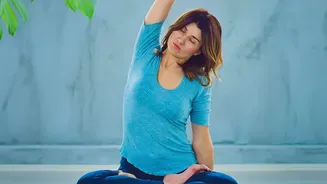
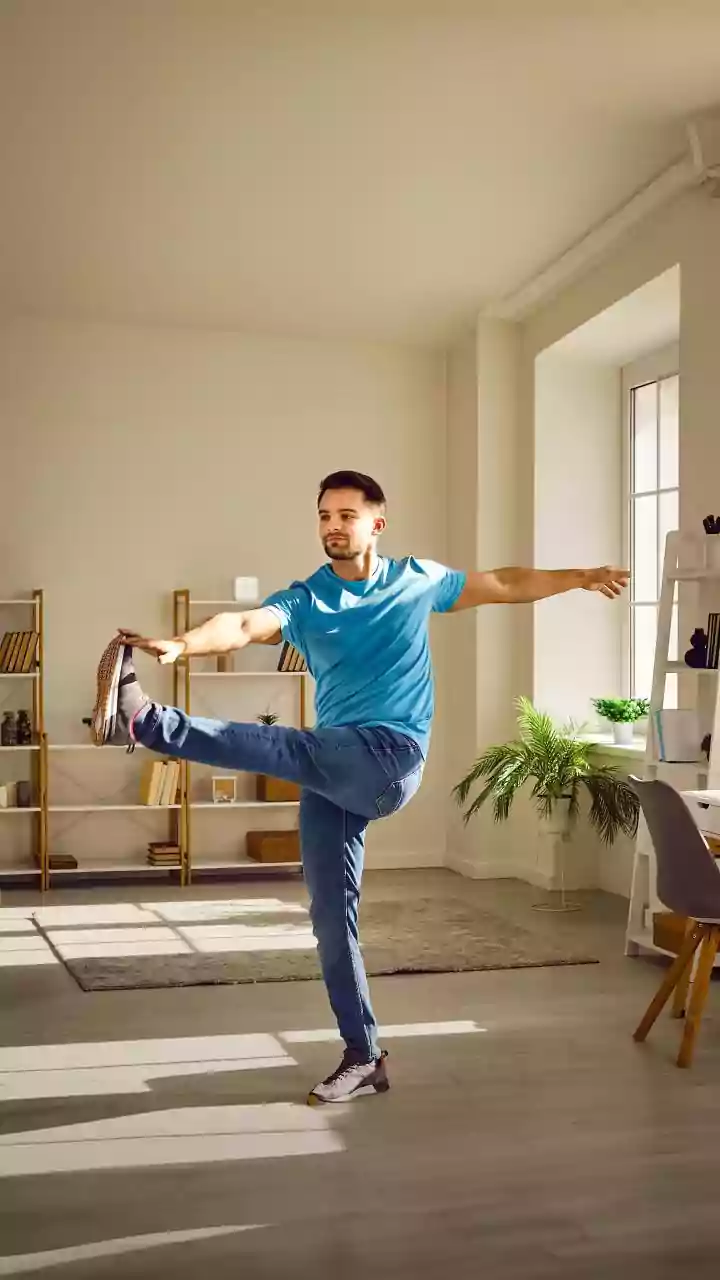
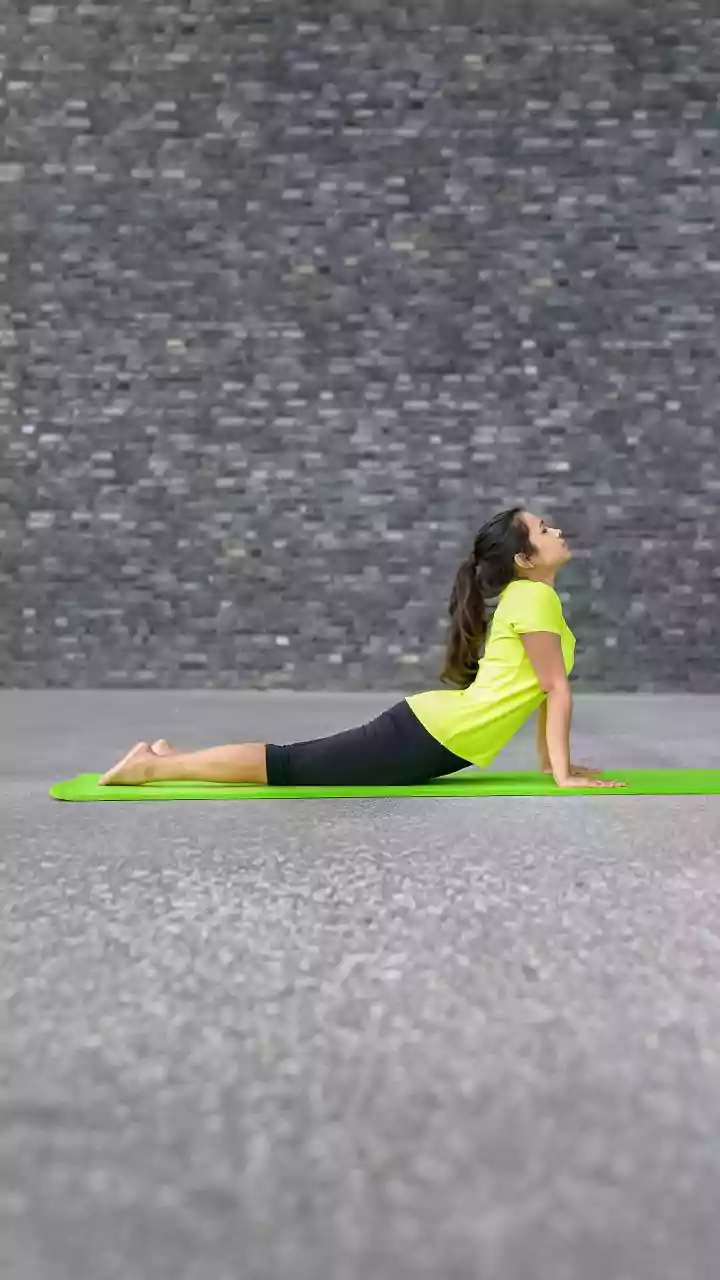
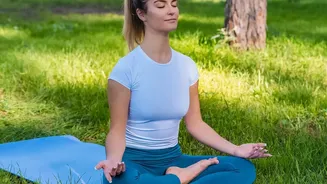
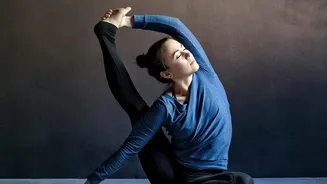
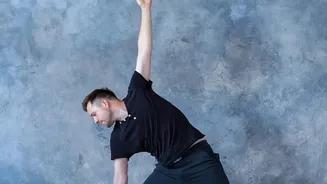
One of the most celebrated benefits of yoga is its ability to improve flexibility. But it’s not just about being able to touch your toes; it’s about increasing the safe range of motion in your joints. Yoga achieves this primarily through static stretching,
where you hold a pose (asana) for a period of time. This gentle, sustained stretching encourages muscle fibers to lengthen. It also works on your connective tissues, like fascia, which can become tight and restrictive. Furthermore, yoga trains your nervous system. By combining deep breathing with physical postures, you signal your body that it's safe to relax, allowing muscles to release tension and stretch more effectively. Over time, consistent practice creates lasting changes in muscle length and joint mobility.
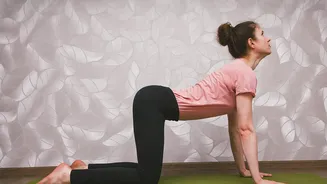
Cat-Cow Stretch (Marjaryasana-Bitilasana)
This gentle, flowing sequence is perfect for warming up the spine and improving its flexibility. Start on your hands and knees in a 'tabletop' position, with your wrists directly under your shoulders and knees under your hips. As you inhale, drop your belly towards the mat, lift your chest and tailbone, and look forward (Cow Pose). As you exhale, round your spine toward the ceiling, tucking your chin to your chest and pressing the mat away from you (Cat Pose). Continue flowing between these two poses for about a minute, synchronizing your breath with the movement. This asana is fantastic for relieving tension in the back and neck.
Downward-Facing Dog (Adho Mukha Svanasana)
A foundational pose in yoga, Downward-Facing Dog is an incredible full-body stretch. From your tabletop position, tuck your toes, lift your hips up and back, forming an inverted 'V' shape with your body. Press firmly through your hands, keeping your head between your upper arms. It's okay if your heels don't touch the ground; focus on keeping your spine long. You can 'pedal' your feet by bending one knee and then the other to gently stretch your hamstrings and calves. This pose stretches the shoulders, hamstrings, calves, and the entire back of the body.
Child's Pose (Balasana)
Child's Pose is a restful posture that gently stretches the hips, thighs, and lower back. Kneel on the floor, touch your big toes together, and sit on your heels. Then, separate your knees about as wide as your hips. Exhale and lay your torso down between your thighs. You can stretch your arms out in front of you or rest them alongside your body with palms facing up. Allow your forehead to rest on the floor and breathe deeply into your back, feeling the gentle release of tension. It's a great pose to come to whenever you need a moment of rest during your practice.
Seated Forward Bend (Paschimottanasana)
This pose provides a deep stretch for the entire back of the body, from your heels to your neck. Sit on the floor with your legs extended straight out in front of you. You can place a cushion under your hips to help tilt your pelvis forward. Inhale and lengthen your spine, then exhale and begin to hinge forward from your hips, not your waist. Walk your hands forward along your legs. Stop when you feel a good stretch in your hamstrings. Don't worry about touching your toes; the goal is to keep your spine long. Hold here and breathe, feeling the stretch deepen with each exhale.
Butterfly Pose (Baddha Konasana)
Excellent for opening the hips and stretching the inner thighs, Butterfly Pose is a simple seated posture. Sit on the floor and bring the soles of your feet together, letting your knees fall out to the sides. Hold onto your ankles or feet. Sit up tall to lengthen your spine, and if you want a deeper stretch, you can gently fold forward. Avoid forcing your knees to the ground; let gravity do the work. This pose helps improve hip mobility, which can relieve pressure on the lower back.