



The Allure of the Backup Shelf
In online beauty communities, the “backup shelf” is a badge of honour—a curated collection of unopened skincare, makeup, and hair products ready to be deployed. The logic seems sound: your favourite serum is on sale, so you buy three. You never want to run
out of your holy-grail moisturiser, so you keep a spare. This practice is driven by a mix of genuine love for a product and the powerful psychology of promotional sales. Retailers are experts at creating a sense of urgency with limited-time offers and “buy one, get one” deals. This taps into a deep-seated fear of missing out (FOMO) and the desire for instant gratification, making a purchase feel like a victory. The dopamine hit from snagging a bargain is real, reinforcing the idea that stockpiling is a smart and satisfying habit.
When Good Products Go Bad
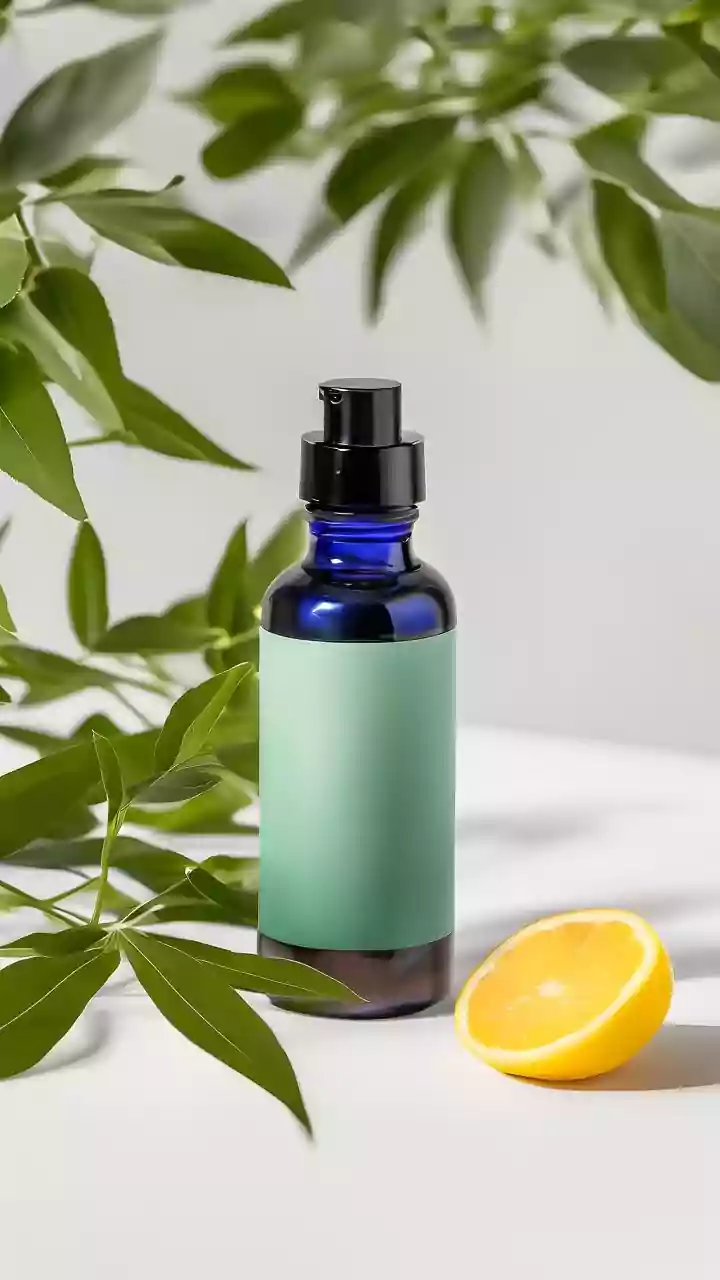
Here’s the catch: even unopened products don’t last forever. Most sealed beauty products have a shelf life of two to three years from their manufacture date. After that, active ingredients can degrade, preservatives can break down, and the product's effectiveness and safety can be compromised. For products with unstable ingredients like Vitamin C, oxidation can happen even faster, rendering them useless. So, that discounted serum you bought a year and a half ago might be far less potent by the time you finally open it. Worse, it could have separated, changed colour, or developed an off smell—all signs it's time to toss it. Using expired products isn't just a waste of money; it can lead to skin irritation or infections, especially with eye-area cosmetics which have a particularly short shelf life.
The True Cost of 'Saving'
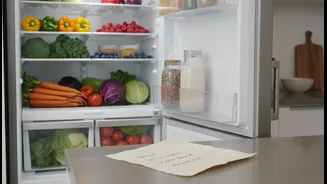
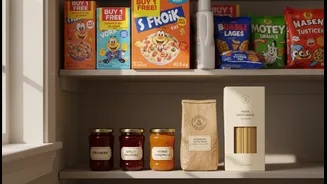
Promotional sales create the illusion of saving money, but the opposite is often true. If you buy a product you don't end up using before it expires or is reformulated, you haven’t saved anything; you've wasted the full purchase price. Think of it like this: money spent on items that end up in the bin is a 100% loss. This is a well-documented phenomenon in the grocery industry, where even modest waste can turn a profitable item into a loss-maker, and the same logic applies to your personal shopping. Furthermore, frequent discounts can train consumers to devalue products, making them unwilling to pay full price and creating a vicious cycle of waiting for the next sale. The financial cost of unused items, whether it's food or skincare, adds up significantly over time.
From Clutter to Conscious Curation
A backup shelf built on impulse can also contribute to physical and mental clutter. A cabinet overflowing with products you feel pressured to use can become a source of stress rather than joy. Instead of mindlessly stockpiling, shift your mindset to mindful curation. The goal is not to have the most backups, but the right ones. Before buying a backup, ask yourself: Is this a true staple I use daily? Am I close to finishing my current one? Will I realistically use this backup within a year? A better approach is the “one in, one out” method. When you are about two weeks away from finishing a core essential, that is the time to repurchase it, whether it’s on sale or not. This ensures you always have what you need without creating a mountain of products that may never see the light of day.
Building a Smarter Backup System
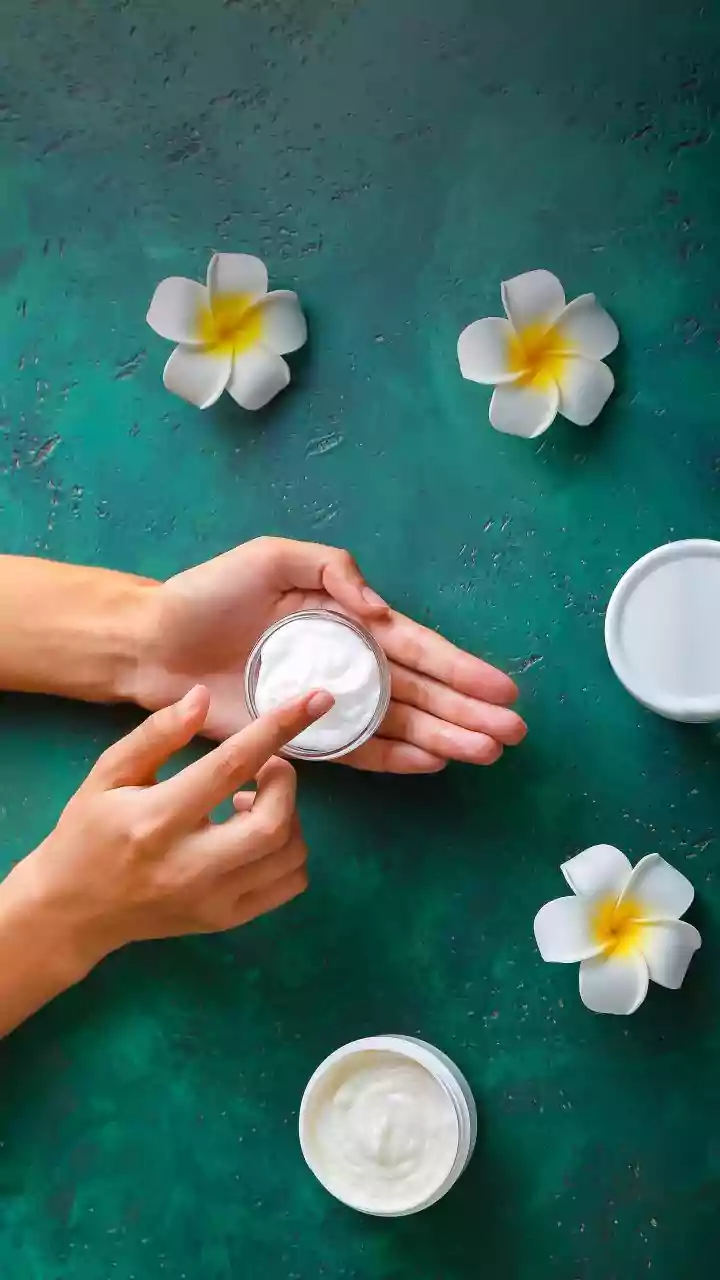
A truly effective backup system isn’t a random collection; it’s a deliberate plan. It should be small and focused only on the non-negotiable items in your daily routine. For everything else—the fun masks, the trendy serums, the new makeup shades—resist the urge to buy in duplicate. It's better to finish what you have and then decide what to try next. This approach not only saves you money and reduces waste but also gives you the freedom to evolve your routine as your needs and preferences change. If you do end up with excess usable products, consider donating unopened items to local shelters. For the beautiful glass jars and bottles left behind, many can be upcycled into planters, storage containers, or travel pots, giving them a second life.