




What Exactly Is Ambali?
Ambali is a traditional porridge or beverage with deep roots in the rural kitchens of South Indian states like Karnataka, Andhra Pradesh, and Telangana. For generations, it was considered a farmer's fuel—a nourishing, inexpensive, and cooling meal perfect
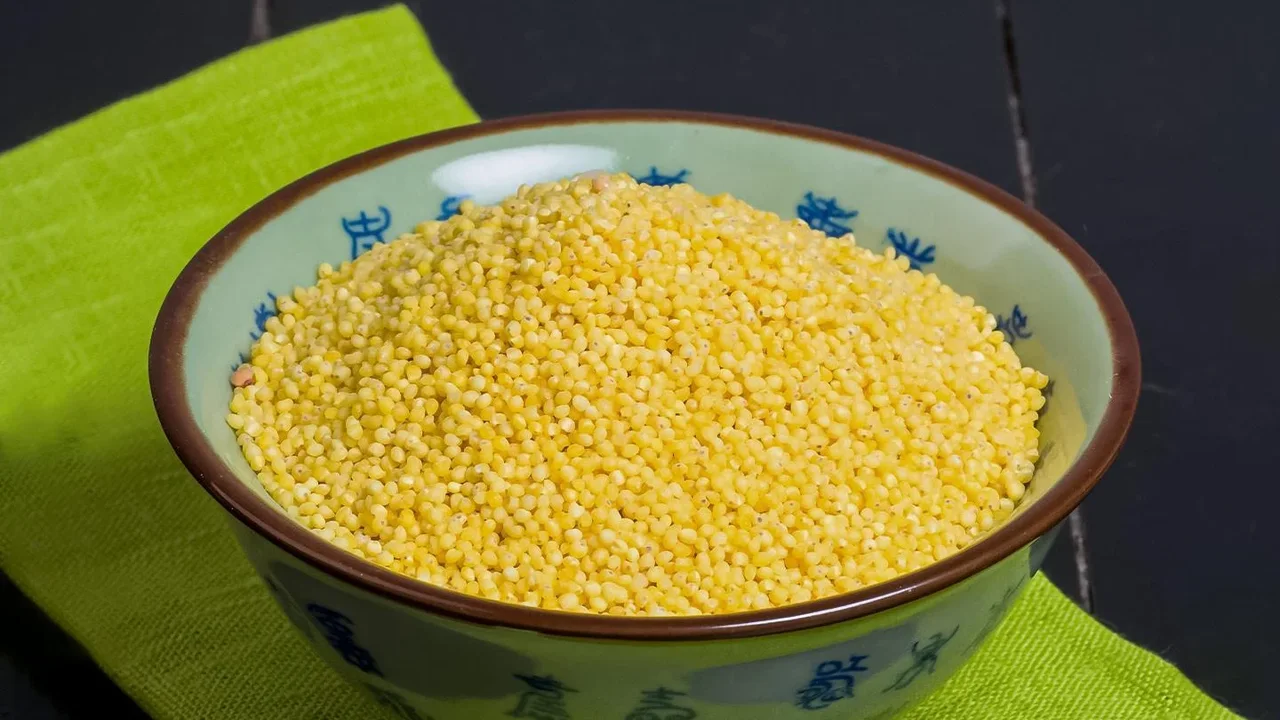
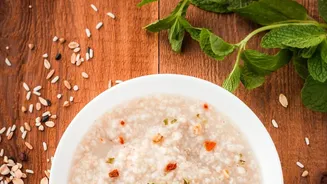
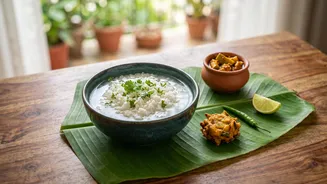
for providing sustained energy during long days of labour under the sun. The core ingredient is finger millet, or ragi, a hardy grain celebrated for its resilience and nutritional value. The preparation is simple: ragi flour is cooked into a paste and then left to ferment naturally, usually overnight. This fermentation process gives Ambali its characteristic slightly sour taste and transforms it into a probiotic powerhouse. It is traditionally served savoury, often mixed with buttermilk, salt, and finely chopped onions or herbs.
A Nutritional Powerhouse Rediscovered
The primary driver behind Ambali's modern resurgence is its incredible health profile, which aligns perfectly with today's wellness trends. Ragi itself is a superfood, naturally gluten-free and packed with nutrients. It is an excellent source of calcium, crucial for bone health, and has high levels of iron, protein, and dietary fibre. The fermentation process elevates these benefits further. It introduces beneficial bacteria like Lactobacillus, making Ambali a natural probiotic that supports a healthy gut microbiome, improves digestion, and can boost immunity. Fermentation also breaks down anti-nutrients like phytic acid found in grains, which allows the body to absorb more of the essential minerals like iron and zinc. For a generation obsessed with gut health and clean eating, Ambali is India’s own answer to global trends like kombucha and kefir.
The Search for Authenticity and Comfort
Beyond the health benefits, the appeal of Ambali runs deeper, touching on a cultural desire to reconnect with tradition. In a food landscape saturated with global trends, many young Indians are looking for authenticity and a taste of home. This 'back to roots' movement has sparked renewed interest in indigenous grains and forgotten family recipes. Ambali represents a comforting nostalgia, a connection to a simpler, more sustainable way of eating that was championed by their grandparents. Ordering Ambali is not just a dietary choice; it's a quiet statement of cultural pride and a rejection of overly processed foods in favour of wholesome, regional Indian wisdom. This desire for comfort and authenticity is a growing motivation for food choices among young consumers.
The Modern Cafe Makeover
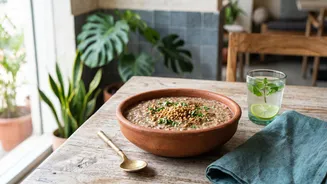
Trendy cafes have been quick to recognize this shift in consumer interest. While the soul of the dish remains traditional, its presentation is receiving a contemporary upgrade. Instead of a simple steel tumbler, Ambali might be served in an artisanal ceramic bowl or a chilled glass, garnished with fresh microgreens or edible flowers. Some cafes are experimenting with flavour infusions, giving the rustic porridge a modern twist that appeals to a younger, aesthetically-driven audience. This repackaging makes the ancient beverage feel both authentic and aspirational. It fits perfectly on a menu alongside other wellness-focused items, transforming a farmer's humble meal into a chic, Instagrammable health elixir that resonates with the urban consumer's lifestyle.