



The Old SPF Struggle
For years, the relationship many of us had with sunscreen was one of reluctant necessity. We knew we were supposed to wear it, but the experience was often unpleasant. Traditional sunscreens were frequently thick, oily, and difficult to rub in, leaving
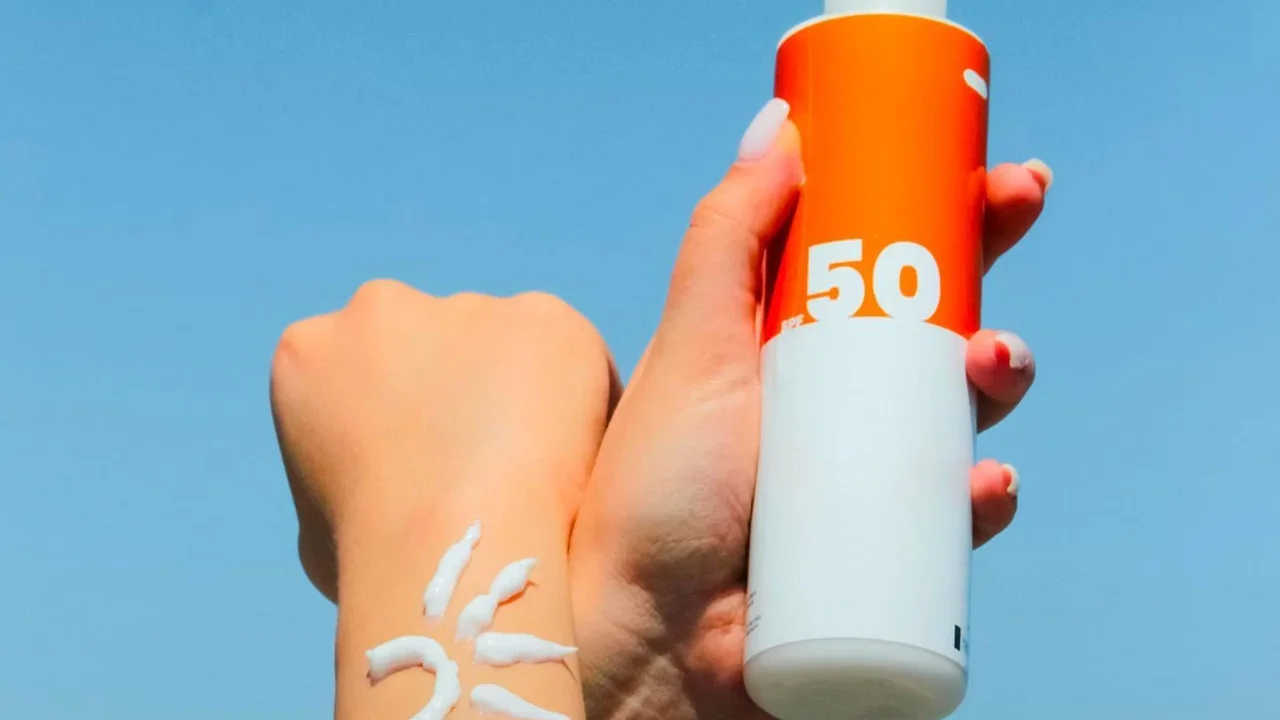
behind a noticeable white or grey cast, especially on deeper skin tones. In a hot and humid climate like India's, this problem was magnified. Heavy creams could feel suffocating, mixing with sweat to create a sticky, uncomfortable film on the skin. This often led to people skipping sunscreen altogether or applying less than the recommended amount, compromising their protection against harmful UV rays. The choice felt like it was between protecting your skin and feeling comfortable in it.
The New Era of Sunscreen
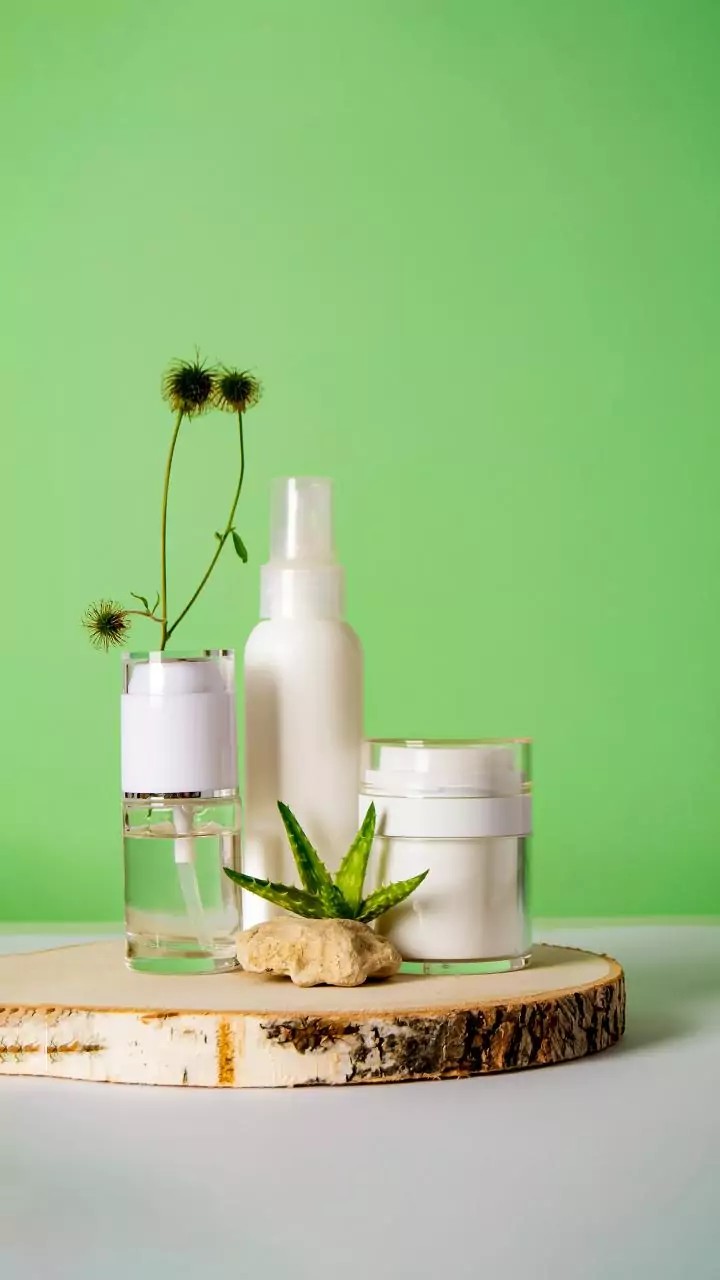
Enter the era of 'comfort-first' SPF. This new generation of sun protection prioritises texture, finish, and wearability just as much as it does UV protection. Brands have completely rethought how sunscreen should feel, creating formulas that are featherlight, fast-absorbing, and virtually undetectable on the skin. These innovations come in a variety of elegant textures that were once reserved for luxury skincare, including watery gels, silky serums, and lightweight milks. The primary goal is simple: to create a sunscreen you genuinely enjoy wearing every day. As one dermatologist noted, the best sunscreen is the one you'll actually wear consistently. This shift transforms sun protection from an obligation into a seamless part of a daily ritual.
Skincare Meets Suncare
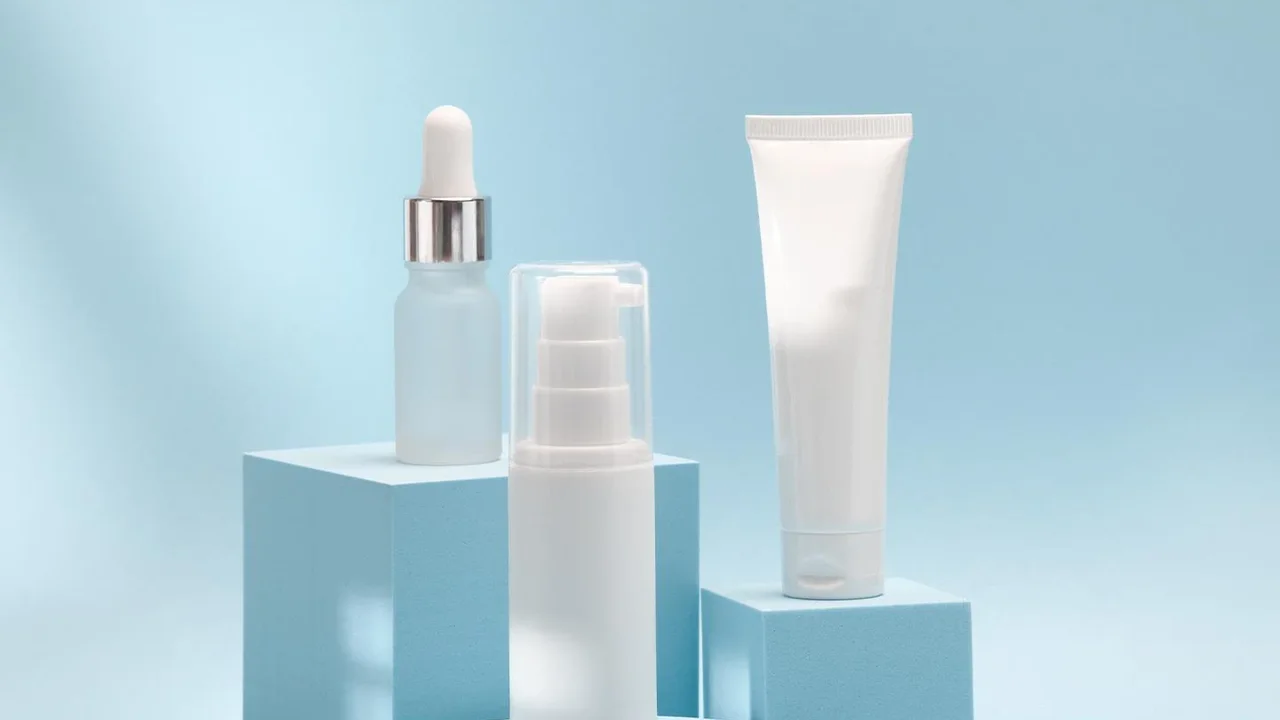
A key driver of this trend is the 'skinification' of suncare, where sun protection products are now formulated like advanced skincare. These hybrid products don't just protect; they also treat. It's now common to find sunscreens infused with powerhouse ingredients like hydrating hyaluronic acid, brightening niacinamide and vitamin C, and barrier-supporting ceramides. Sunscreen serums, for example, combine the lightweight, potent delivery of a serum with broad-spectrum UV protection, allowing one product to do the job of several. This multitasking approach simplifies morning routines, offering hydration, antioxidant defence, and sun safety in a single, elegant step. Consumers no longer have to choose between protection and cosmetic appeal; they can now have both.
Innovation in a Bottle
The pleasant feel of these new sunscreens is no accident; it's the result of significant advances in cosmetic science. Formulators are using new techniques and ingredients to create products that are both effective and comfortable. This includes hybrid formulas that blend mineral and chemical UV filters to provide broad-spectrum protection without a white cast. Some innovations even involve microencapsulation technology, which wraps UV filters in a coating to prevent them from penetrating the skin, reducing the potential for irritation while maintaining high efficacy. Other strategies include using 'SPF boosters,' which are additives that enhance the effectiveness of UV filters, allowing for high protection with a lighter feel on the skin. These advancements are making sunscreens more suitable for all skin types, including sensitive and acne-prone skin.
From Chore to Cherished Habit
The biggest change brought by comfort-first SPF is behavioural. By making sun protection a pleasurable experience, these new formulations are encouraging consistent, year-round use. What was once a seasonal product for a beach holiday has become a daily essential for people everywhere. This is particularly important in India, where strong sun exposure is a year-round reality. Lightweight, non-greasy, and sweat-resistant formulas are better suited for the climate, making daily application a practical habit. This shift is not just about aesthetics; it's about long-term health. Consistent use of broad-spectrum sunscreen is one of the most effective ways to prevent premature ageing, pigmentation, and skin cancer. When your sunscreen feels like a luxurious serum, applying it every morning becomes a moment of self-care rather than a grudging task.