


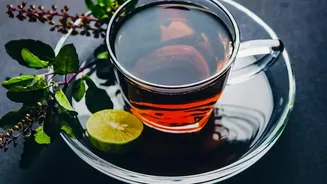

A Refreshing Shift in Urban Tastes
The Indian beverage market is undergoing a quiet revolution. While chai and coffee remain staples, a growing number of consumers are seeking out drinks that do more than just caffeinate or refresh; they want beverages that offer genuine health benefits
without compromising on flavour. This shift towards functional beverages has created the perfect opening for botanical infusions. Unlike sugary sodas or even traditional iced teas, these new-age drinks are crafted with health-conscious ingredients, tapping into a desire for wellness that has become a major driver of consumer choice in post-pandemic India.
The Power Duo: Tulsi and Lemongrass
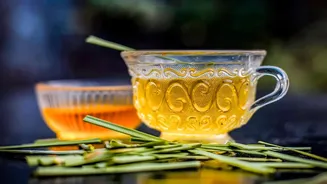
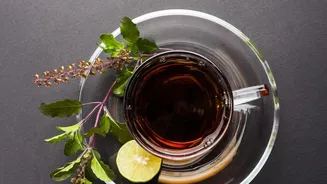
At the heart of this trend are two ingredients deeply rooted in Indian tradition: Tulsi (Holy Basil) and lemongrass. Tulsi, revered in Ayurveda as the "Queen of Herbs," is a powerful adaptogen known for its ability to help the body manage stress and support the immune system. Lemongrass adds a bright, zesty, and citrusy flavour profile that is instantly refreshing, especially during India's hot summers. It also has its own roster of benefits, including aiding digestion and possessing anti-inflammatory properties. When combined, they create a harmonious blend that is both calming and invigorating, a flavour profile that feels both anciently wise and perfectly modern.
The Cold Brew Difference
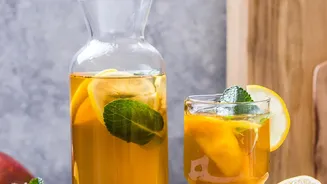
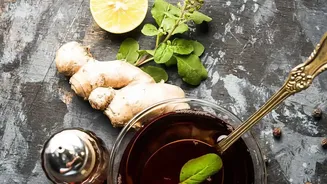
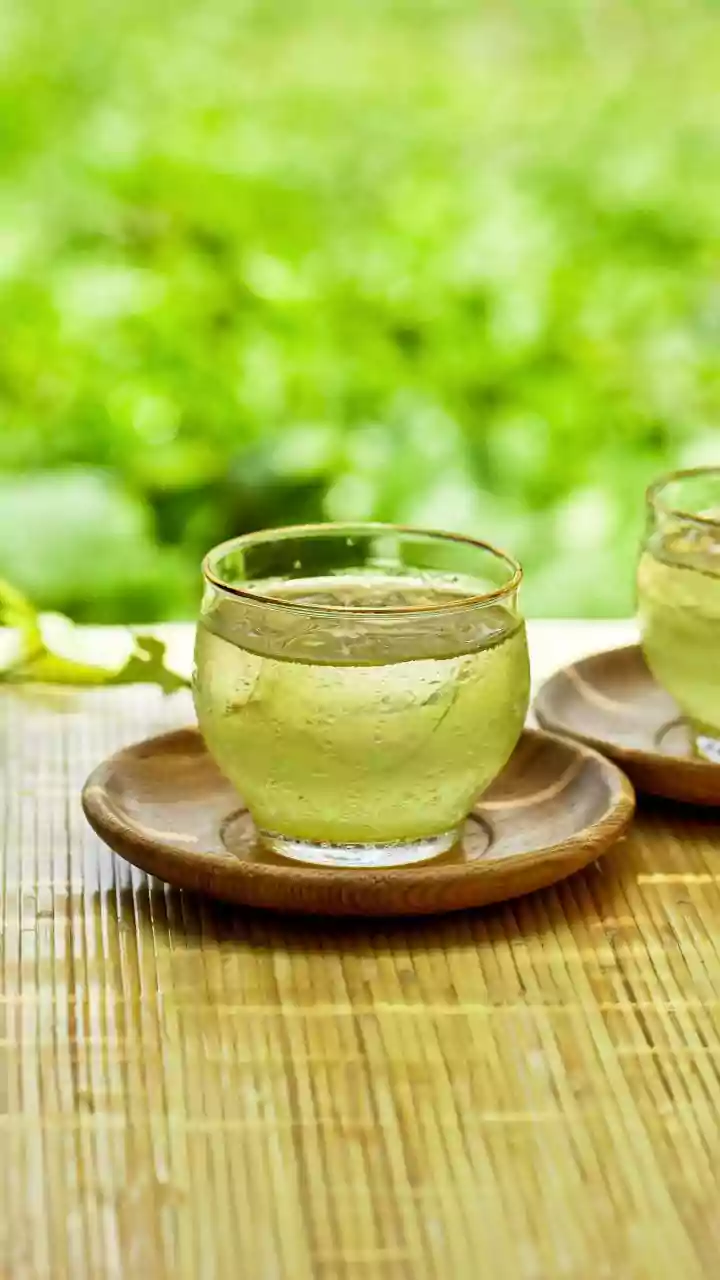
The preparation method is as important as the ingredients. Cold brewing, which involves steeping tea leaves in cold or room-temperature water for an extended period (typically 6-12 hours), has a significant impact on the final taste. This gentle process extracts fewer tannins, the compounds responsible for the bitterness and astringency often found in hot-brewed teas. The result is a remarkably smooth, naturally sweeter beverage that allows the delicate aromatic notes of herbs like Tulsi and lemongrass to shine through without being overpowered. Many proponents also believe cold brewing better preserves heat-sensitive antioxidants, adding another layer to its wellness appeal.
More Than Just a Health Drink
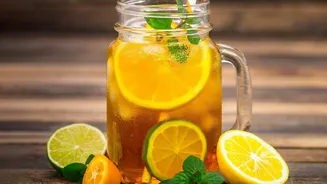
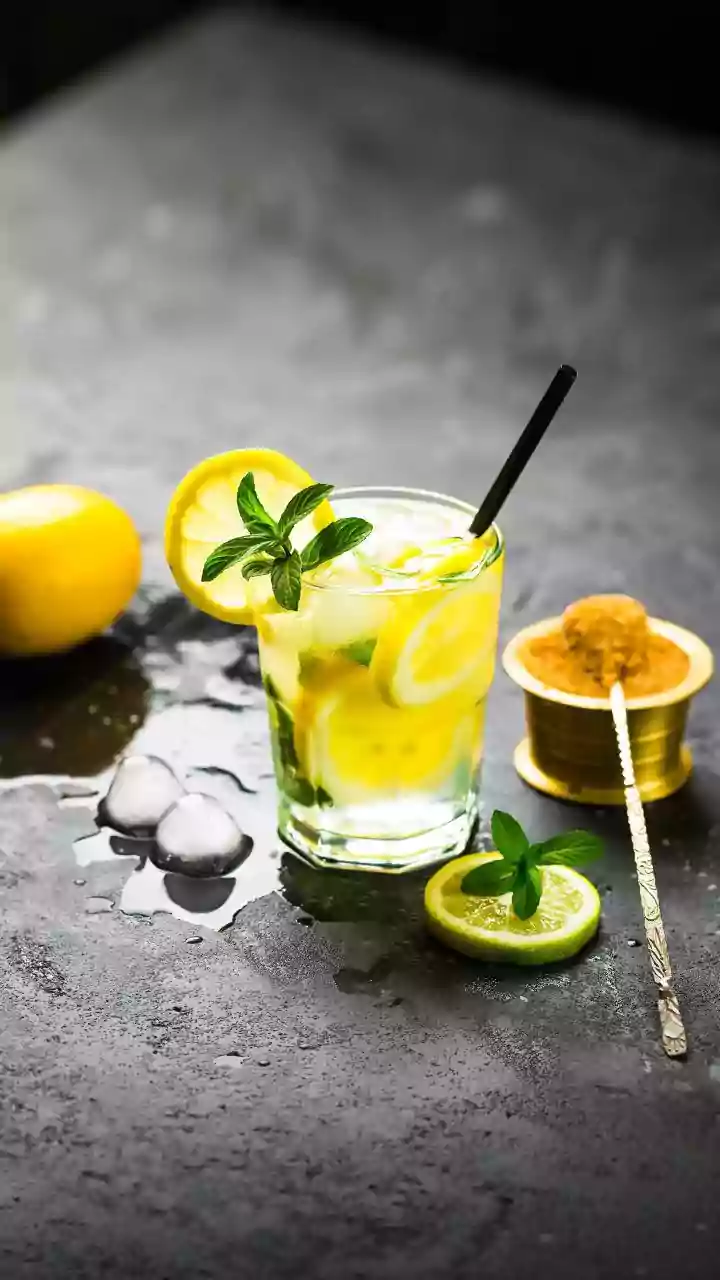
The trend is not driven by health benefits alone. Cafes have become the new social hubs and workspaces for urban millennials and Gen Z, who are constantly seeking new experiences. A beautifully presented cold brew, perhaps in a shapely glass with a sprig of fresh mint or a slice of lime, is highly 'Instagrammable'. Moreover, for a growing segment of the population that is looking for sophisticated non-alcoholic options, these botanical teas fit the bill perfectly. They offer the complexity and craft of a cocktail without the alcohol, making them an ideal choice for social occasions at any time of day.
A Return to Indian Roots
Finally, the rise of Tulsi and lemongrass teas signals a broader cultural trend: a modern embrace of traditional Indian ingredients. For years, global flavours dominated cafe menus, with ingredients like matcha and elderflower taking the spotlight. Now, there is a clear movement towards rediscovering and reinterpreting India's own rich botanical heritage. By taking familiar, trusted ingredients like Tulsi—long a staple in home remedies—and presenting them in a contemporary, convenient format like a cafe cold brew, beverage creators are bridging the gap between tradition and modernity. It’s a taste of home, but reimagined for the 21st-century palate.