



The End of the Off-Season
The long-held belief that the monsoon is a spoiler for travel is rapidly dissolving. What was traditionally a lean period for India's hospitality industry is now seeing a surprising, and welcome, surge in activity. Across the country, destinations once
quiet between June and September are now reporting a significant uptick in hotel bookings and tourist footfall. In fact, for many popular spots, the concept of a monsoon 'off-season' is becoming a thing of the past. Hotel groups are reporting strong momentum, with July bookings pacing ahead of previous years. This trend isn't just about a few weekend trips; it signals a structural shift in domestic leisure travel, where the year is no longer divided into just two peak seasons. The monsoon has emerged as a powerful travel driver in its own right, helping accommodation providers improve year-round occupancy rates.
What's Driving the Downpour of Tourists?
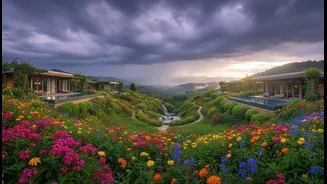
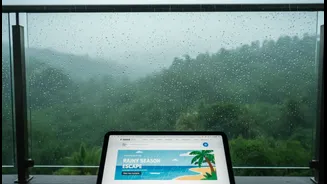
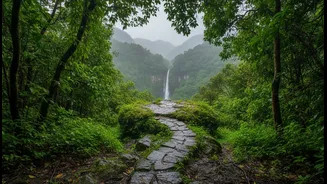
Several factors are fuelling this change in travel habits. A primary driver is the unique aesthetic of the monsoon itself. Travellers are increasingly drawn to the lush, green landscapes, mist-covered hills, and overflowing waterfalls that define this season. Destinations like the Western Ghats and the hills of Kerala transform into vibrant, emerald paradises, offering a visual appeal that the dry summer months cannot match. This shift is also powered by changing traveller priorities. According to data from Booking.com, there's a growing preference for experience-led travel, with tourists choosing destinations that align with personal interests like wellness, nature, and cultural immersion. For many, the rain provides a backdrop for a quieter, more authentic and immersive holiday. Of course, budget plays a crucial role. The monsoon season still offers more affordable luxury, with high-end hotels and resorts slashing rates compared to the peak winter season, making five-star stays more accessible. Finally, aggressive marketing by travel companies, offering attractive deals and monsoon-specific packages, has successfully reframed the rainy season as an opportunity rather than an obstacle.
India's Favourite Monsoon Getaways
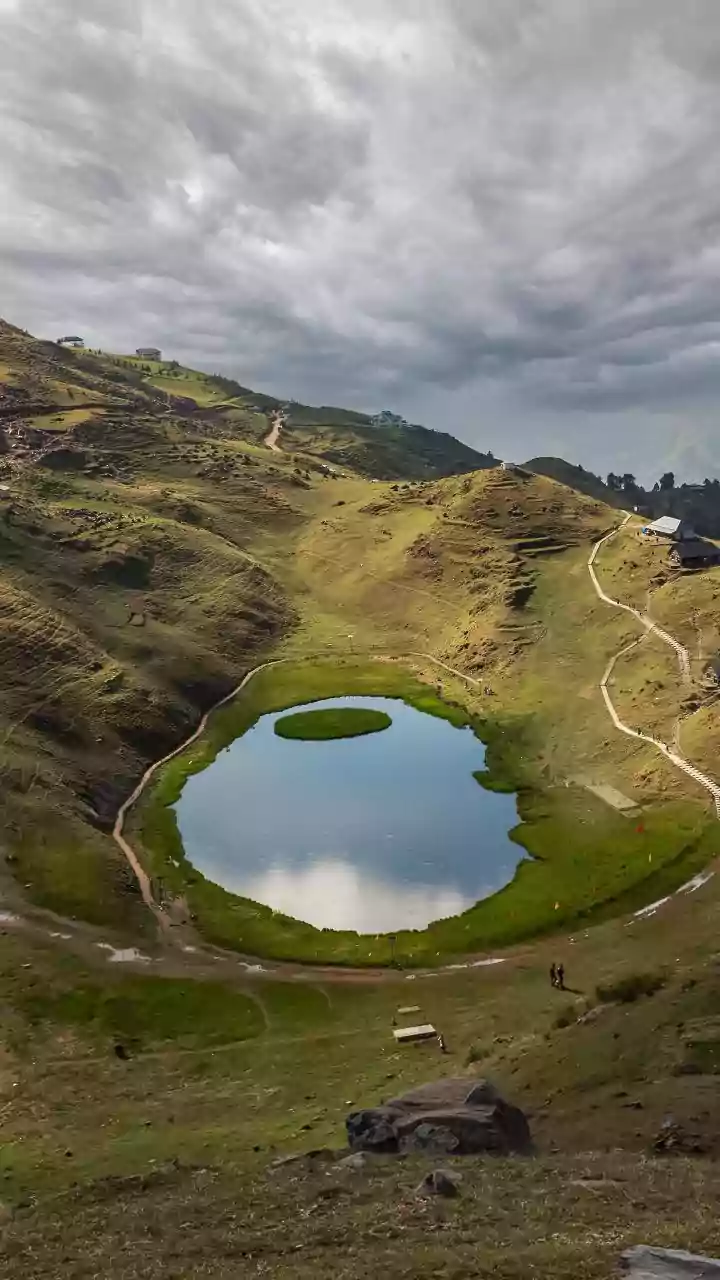
The boom in monsoon travel is widespread, but several destinations are clear favourites. Hill stations, in particular, are seeing remarkable growth. According to data from travel platform Scapia, destinations like Munnar and Mussoorie have recorded a nearly tenfold growth in hotel bookings for the monsoon season compared to last year. Other hilly retreats like Coorg, Wayanad, Ooty, and Lonavala have also seen demand expand by about seven times. Goa, a perennial favourite, is also experiencing a monsoon renaissance. Instead of beach parties, travellers are flocking to experience a quieter, greener Goa, with hotel searches for July rising nearly 40% compared to the peak summer season. In the south, Kerala remains a quintessential monsoon destination, famous for its swelling backwaters and Ayurvedic treatments, which are considered most effective during this time. Even the arid landscapes of Rajasthan are getting a second look, with cities like Udaipur, the 'City of Lakes', becoming more inviting as the lakes fill up and cooler temperatures prevail.
A Win-Win for Hotels and Travellers
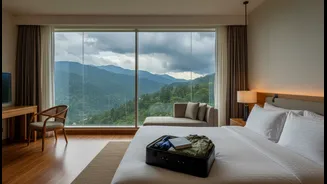
This evolving trend presents a beneficial situation for both sides of the travel equation. For the hospitality industry, it smooths out the severe seasonality that once plagued their business, leading to more consistent revenue and stable employment for local communities. It allows hotels, restaurants, and local guides to thrive beyond the traditional holiday windows. For travellers, the advantages are clear: experiencing popular destinations with fewer crowds, enjoying the natural beauty at its peak, and accessing premium accommodation at a fraction of the winter cost. While the rains can occasionally cause travel disruptions, particularly in mountainous regions, the consensus is growing: the rewards of a monsoon getaway far outweigh the risks. This shift towards year-round travel also supports a more sustainable tourism model by reducing the intense pressure on infrastructure during peak seasons.