

Beyond Just Pretty Blooms
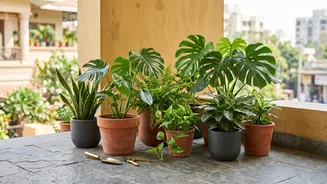
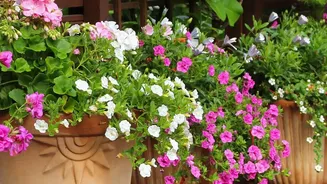
While colourful flowers are a great start, a truly wildlife-friendly balcony offers a diverse menu. The key is to select plants that provide nectar, pollen, seeds, and attract insects, which in turn attract birds. For Indian balconies, consider native
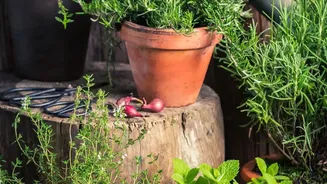
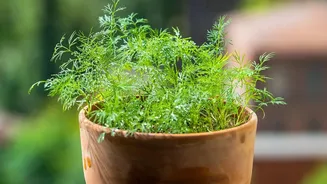
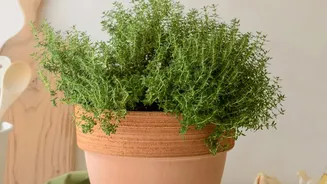
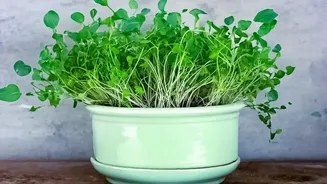
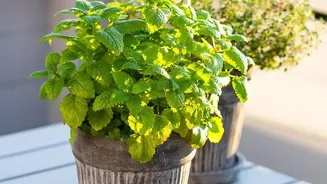
and hardy options. Hibiscus and jasmine are excellent for attracting nectar-feeding birds like sunbirds. Marigolds, known for their bright colours and easy maintenance, are fantastic for attracting bees and butterflies. The sacred Tulsi plant is another powerhouse, attracting beneficial insects with its nectar-rich flowers when it blooms. Planting a variety of species that flower at different times of the year ensures a consistent food supply for visiting pollinators. Even letting some herbs like mint or coriander flower can provide a valuable food source. Using native plants is often a good strategy as local birds and insects are more familiar with them.
A Reliable Source of Food
In addition to what your plants can offer, supplementing with a bird feeder can make your balcony a regular stop for feathered friends, especially in urban areas where natural food sources are scarce. For apartment living, it's important to choose a feeder that is compact and creates minimal mess. Railing-mounted tube feeders are a great option as they clamp on securely, take up little space, and are easy to clean. To reduce spillage that might affect neighbours below, consider using hulled sunflower seeds or nuts. It's crucial to keep feeders clean to prevent the spread of diseases among birds. Regular cleaning and refilling will encourage consistent visits from species like sparrows, bulbuls, and finches. Before installing a feeder, it's always wise to check your building's regulations.
The Importance of Water
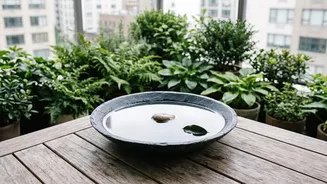
A clean, reliable water source is perhaps the most critical element you can provide, essential for both drinking and bathing. This doesn't require a fancy or expensive birdbath. A shallow dish, an old pot, or even a plant saucer will work perfectly. The key is to keep the water shallow. If the container is deep, add some pebbles or a small branch to give birds and insects a safe place to land and prevent them from drowning. This is especially important for bees. Place the water source in a shaded spot to keep it cool and reduce evaporation. For the safety of the birds, position it near some plants or cover, giving them an escape route from predators, but also somewhere with a clear line of sight. Remember to change the water daily to keep it fresh and clean.
Creating Shelter and Safe Spaces
Wildlife needs places to rest, hide from predators, and escape harsh weather. Densely packed plants and climbers can provide excellent cover. Climbing plants like the Butterfly Pea not only look beautiful on a railing but also offer great coverage. Even leaving old leaves and spent flower heads in your pots can provide shelter and food for insects. If you have the space, a small 'bee hotel' can offer nesting spots for solitary bees. You can also create perches using small branches or sticks. Providing different levels of foliage with taller plants and smaller shrubs caters to the preferences of various bird species. A crucial aspect of safety is making any large glass windows or doors visible to birds to prevent collisions. Simple decals or markers can solve this problem.