
Mike Brearley: The People-Whisperer
Often cited as the greatest captain England ever had, Mike Brearley’s inclusion on any list of cricket brains is a must. His own batting record was modest for a Test player, leading to the famous line that he had a “degree in people”. That degree, however,
was first-class. Brearley, a respected psychoanalyst, possessed an unparalleled ability to manage egos and motivate his players. His masterstroke was the 1981 Ashes series, where he took over a struggling side and inspired a series of heroic performances from Ian Botham, turning a 1-0 deficit into a legendary 3-1 victory. Brearley understood that captaincy wasn't just about field placings but about understanding the psychology of his players and the opposition, making him a true master of man-management.
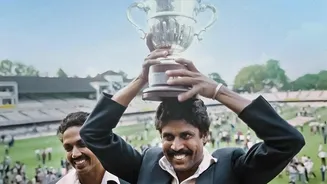
Imran Khan: The Charismatic Transformer
Before he became Prime Minister of Pakistan, Imran Khan was a force of nature on the cricket field. As a player, he was a world-class all-rounder, but as a captain, he was a revolutionary. He took a talented but often inconsistent Pakistan team and moulded them into a formidable fighting unit known as 'Imran's Cornered Tigers'. His leadership was a blend of leading from the front, tactical innovation like pioneering reverse swing, and an unshakeable self-belief that he instilled in his team. This culminated in Pakistan’s historic 1992 World Cup victory, a triumph of will, strategy, and inspirational leadership that remains one of cricket's greatest stories.
Shane Warne: The Magician and Mind-Gamer
Shane Warne wasn’t just the greatest leg-spinner of all time; he was a cricketing genius who played the game with a theatrical flair and a cunning that few could match. Often called the best captain Australia never had, Warne's intelligence was evident in every over he bowled. It was a chess match, full of psychological warfare, where he would set up a batsman over several deliveries, exploiting their weaknesses with a vast arsenal of leg-breaks, flippers, and googlies. His commentary career further revealed his sharp tactical brain, as he would often predict dismissals and tactical shifts plays before they happened. Warne didn't just play the game; he controlled its narrative, making him one of the most compelling and intelligent cricketers to watch.
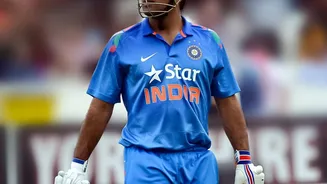
MS Dhoni: The Master of Calm Calculation
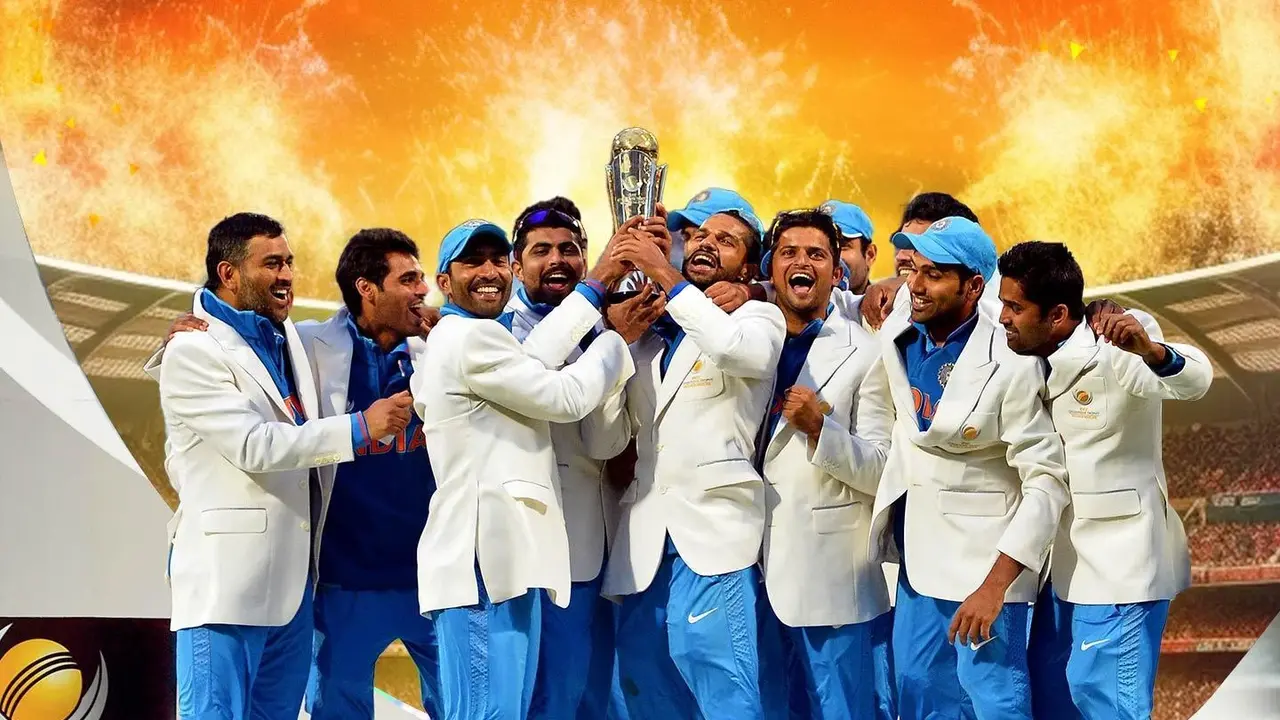
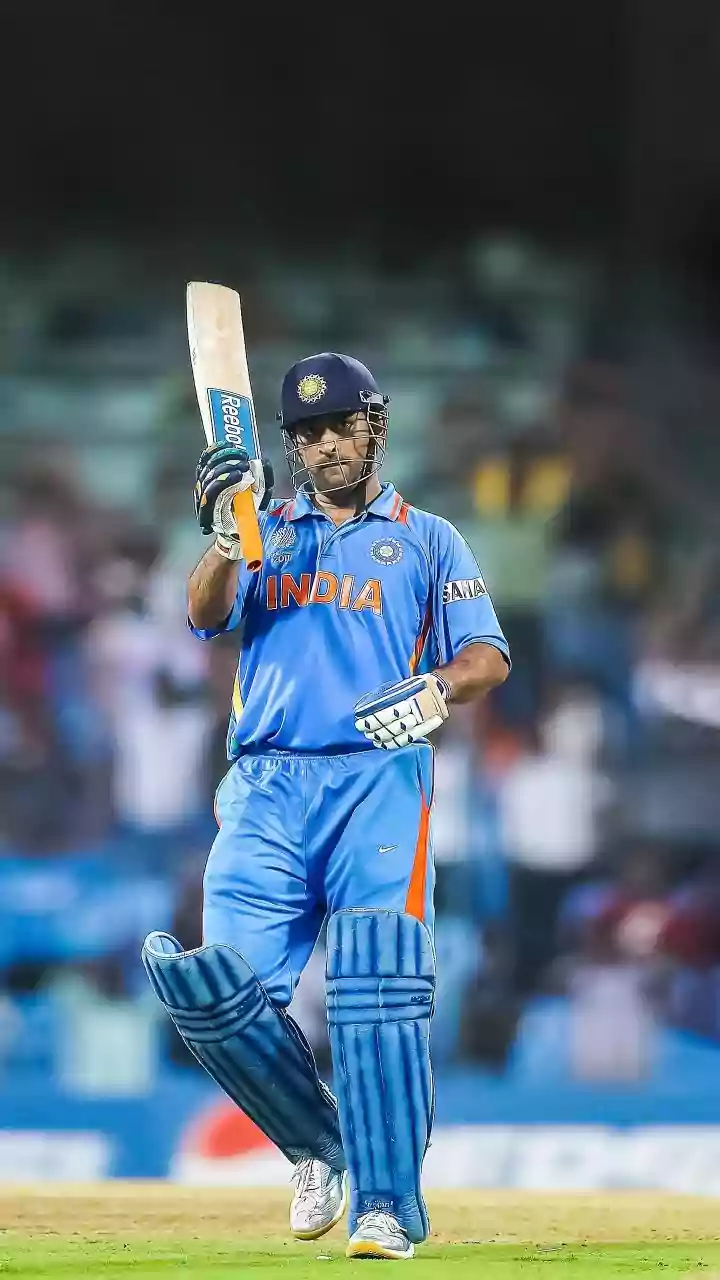
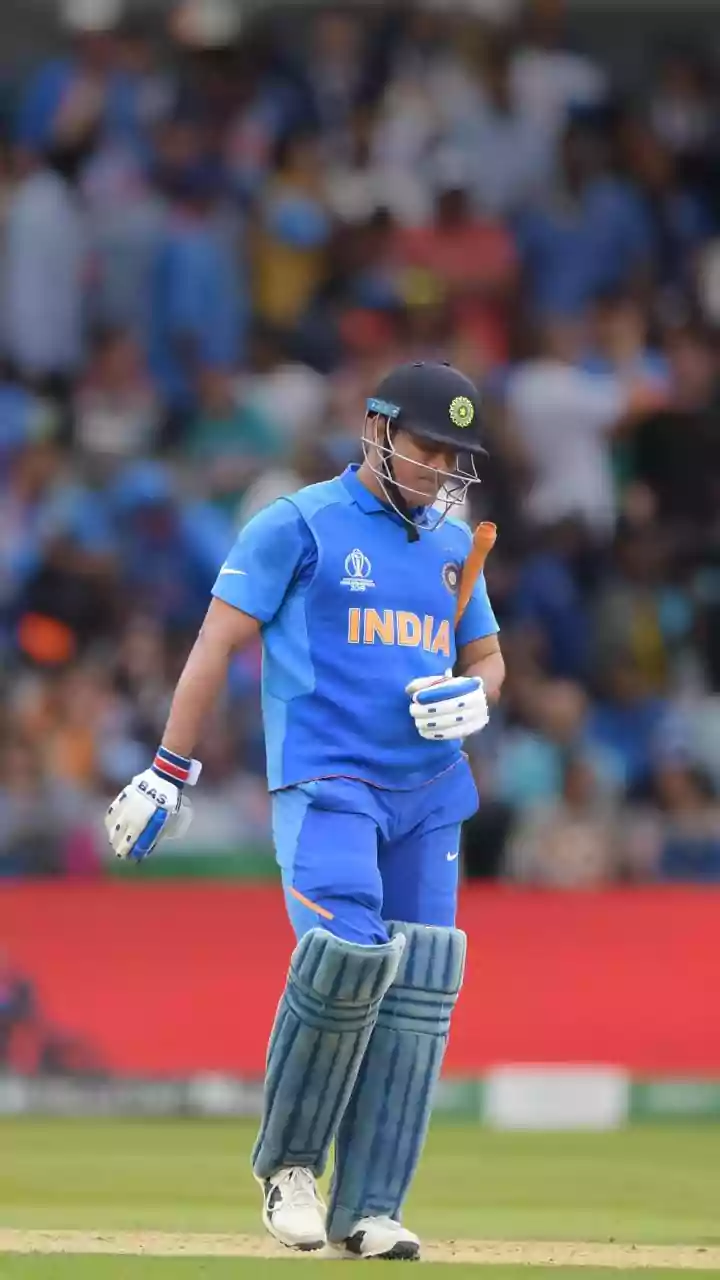
Mahendra Singh Dhoni, or 'Captain Cool', redefined modern captaincy with his calm demeanour and razor-sharp instincts. He is the only captain in history to have won all three major ICC trophies: the T20 World Cup (2007), the ODI World Cup (2011), and the Champions Trophy (2013). Dhoni's genius lay in his ability to stay unflappable under immense pressure, make unorthodox decisions that often paid off spectacularly, and trust his gut. Whether it was giving an unknown Joginder Sharma the final over in a World Cup final or promoting himself up the order in another, Dhoni's decisions were rooted in a deep understanding of the game's flow and a remarkable ability to read the situation. His leadership was not about aggressive displays but about quiet confidence and empowering his players to perform.
Stephen Fleming: The Quiet Innovator
While he might not have the overflowing trophy cabinet of others on this list, Stephen Fleming's impact as a tactical innovator is undeniable. As New Zealand’s longest-serving captain, he was widely respected as one of the shrewdest minds in the game. Fleming was ahead of his time, employing data-driven strategies and creative tactics long before they became commonplace. He led New Zealand to their only ICC trophy win at the 2000 KnockOut Trophy. His intelligence has since been proven in his hugely successful coaching career, particularly with the Chennai Super Kings in the IPL, where he formed a legendary partnership with MS Dhoni. Recent news confirms his appointment as the new head coach for the England Men's Test team, a testament to his enduring reputation as a premier cricketing strategist.