





Why the Stars Are Fading
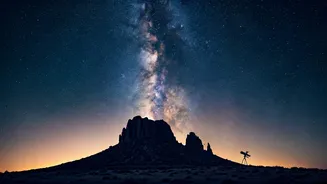
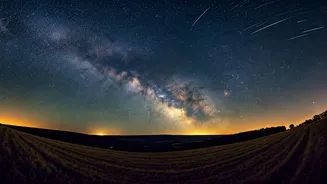
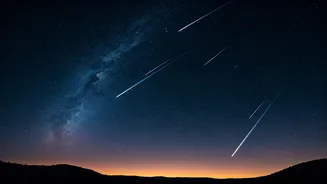
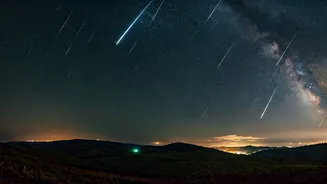
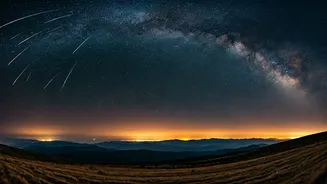
The annual spectacle of meteor showers like the Perseids and Geminids is under threat. The culprit is light pollution—the excessive and misdirected artificial light from our cities and towns. This glow creates a "skyglow" that can stretch for dozens of kilometres,
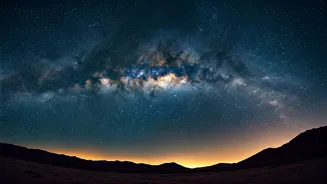
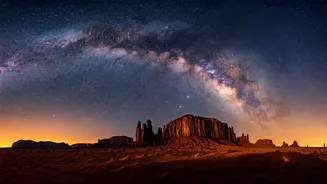
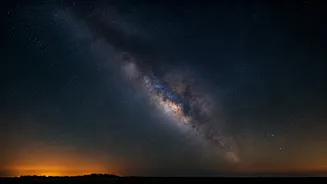
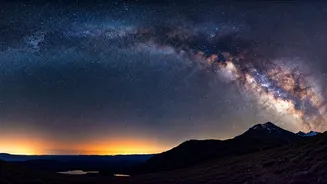
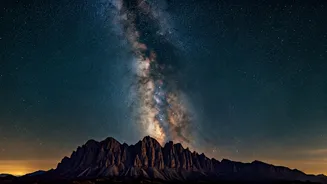
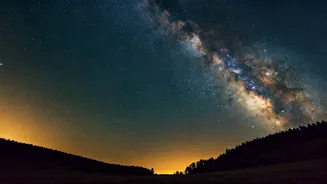
effectively washing out all but the brightest stars and planets. From a heavily light-polluted city, you might see only a couple hundred stars; from a truly dark site, that number can jump to 3,000. This celestial fog not only robs us of the breathtaking view of the Milky Way but also makes it nearly impossible to spot the fleeting streaks of a meteor shower.
A New Kind of Tourism
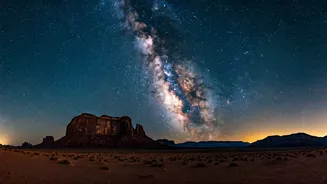
Enter astrotourism, or dark-sky tourism. It’s a growing global trend where travellers seek out destinations with minimal light pollution specifically to experience the wonder of the night sky. This isn't just for professional astronomers; it's for anyone who wants to see the cosmos in its full glory. By travelling to places intentionally preserving their natural darkness, you are not just getting a spectacular view—you are casting an economic vote for conservation. Communities are realising that their dark skies are a valuable asset, attracting visitors who stay overnight and boost local economies, often during off-peak seasons.
India's Celestial Hotspots
India, with its diverse geography, offers some of Asia's best stargazing opportunities. The most renowned destination is Hanle in Ladakh, home to India's first official Dark Sky Reserve. At an altitude of over 4,500 metres, its dry air and near-zero light pollution provide pristine viewing conditions. Another high-altitude paradise is Spiti Valley in Himachal Pradesh, where villages like Kaza and Kibber offer jaw-dropping views of the Milky Way against a backdrop of ancient monasteries. For a different landscape, the vast white salt desert of the Rann of Kutch in Gujarat offers surreal, wide-open horizons. In the south, pockets of darkness in the coffee plantations of Coorg and the remote Neil Island in the Andamans provide tranquil settings for cosmic contemplation.
Plan Your Cosmic Getaway
Planning is key to a successful stargazing trip. First, check the calendar for major meteor showers. For 2026, the Perseids peak around August 12-13 with no interfering moonlight, making it an excellent year for a spectacular show. The Geminids in mid-December are also a reliable favourite. Next, check the lunar calendar. The best time for stargazing is during the new moon phase, when the sky is at its darkest. Finally, prepare for the trip. Give your eyes 20-30 minutes to adjust to the darkness—and avoid looking at your phone screen. Use a red-light torch to preserve your night vision. Pack warm layers, as even summer nights can get chilly, and consider bringing binoculars, which can dramatically enhance your view of the moon's craters and star clusters.