






1. Invest in a Quality Dry Bag
The first line of defence is a high-quality dry bag. Unlike a standard camera backpack, a proper dry bag is designed to be completely airtight and waterproof, creating a sealed-off environment for your equipment. Vloggers often opt for backpack-style
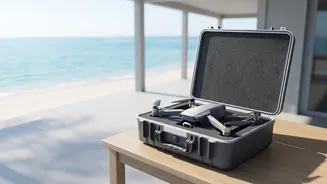
dry bags that are comfortable to carry and large enough for a camera body, multiple lenses, a drone, and accessories. When not actively shooting, all gear goes back into the sealed bag. This is crucial even when you're just walking along the shore, as the salty air alone can begin to cause imperceptible damage. Think of it as a portable safe-deposit box against the elements. It’s a simple but incredibly effective habit.
2. Embrace the Power of Desiccants
Every travel vlogger's secret weapon is the humble silica gel packet. These small, inexpensive sachets are powerful desiccants, meaning they absorb moisture from the air. By tossing several of them into a sealed camera bag or storage case, you actively reduce the humidity inside, preventing condensation from forming on or within your gear. For best results, spread multiple packets throughout the bag instead of clustering them in one spot. Many modern silica packets have indicators that change colour when they are saturated with moisture, letting you know it's time to replace them or 'recharge' them by drying them out in a low-temperature oven.
3. Clean Your Gear Religiously After Every Shoot
This is a non-negotiable rule. Salt spray doesn't need to be visible to be destructive. It settles on camera bodies, lenses, and drone components, where it attracts moisture from the air and accelerates corrosion. After every single outing near the coast, take the time for a thorough cleaning. Use a soft, microfibre cloth lightly dampened with fresh water to wipe down all external surfaces of your camera, lenses, and drone. Pay special attention to metal parts, dials, and connection points. An air blower is excellent for removing dust and drying hard-to-reach crevices without touching delicate surfaces. Never let saltwater dry on your gear.
4. Minimise Lens Changes in the Open Air
Changing a lens is like opening a door and inviting moisture and salty air directly into your camera's sensitive interior. Every time you detach a lens, the sensor and internal electronics are exposed. Vloggers try to minimise this by planning their shots and, if possible, choosing a versatile zoom lens to avoid frequent changes. When a lens swap is unavoidable, they do it quickly and with their back to the wind, using their body or a jacket to shield the camera. Some even make the change inside a car or a building to be extra safe. It might seem overly cautious, but preventing corrosion on internal contacts is far easier than fixing it.
5. Acclimatise Your Gear
Moving a camera from a cold, air-conditioned hotel room directly into the hot, humid coastal air is a recipe for condensation. Moisture can instantly form on both the outside and, more damagingly, the inside of your lens and camera body. To prevent this, pros allow their gear to acclimatise. They leave their equipment inside its sealed camera bag for 20-30 minutes after moving between different temperature environments. This allows the gear's temperature to equalise gradually with the outside air, significantly reducing the risk of internal fogging that can ruin a shoot and damage electronics.
6. Use Protective Drone Coatings and Land Away From Sand
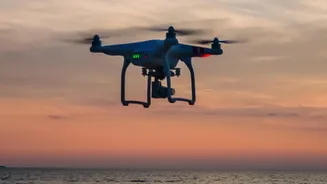
Drones are especially vulnerable, with exposed motors and circuit boards. Many professional drone pilots apply a conformal coating—a special silicone or acrylic spray—to the internal electronics. This creates a thin, non-conductive layer that protects the circuit boards from shorting out if they encounter moisture. When it comes to landing, avoiding sand and wet ground is critical. Using a portable landing pad provides a clean, dry surface, preventing sand from being kicked up into the motors and gimbal, and keeping the drone away from ground moisture.