

The Spirit of Sattvic Eating
Navratri fasting is more than just abstaining from certain foods; it's a spiritual discipline designed to cleanse the body and elevate the mind. The diet followed is 'sattvic', a term derived from the Sanskrit word 'sattva', meaning purity, harmony, and balance.
These foods are believed to be clean, light, and easy to digest, fostering a sense of calm and mental clarity essential for devotion and meditation. The practice is also rooted in Ayurveda, which sees fasting during seasonal transitions—like the autumn period when Sharad Navratri is celebrated—as a natural way to detoxify the body and boost immunity.
Decoding 'Farali': What's Allowed?
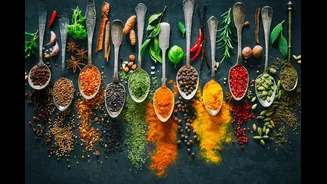
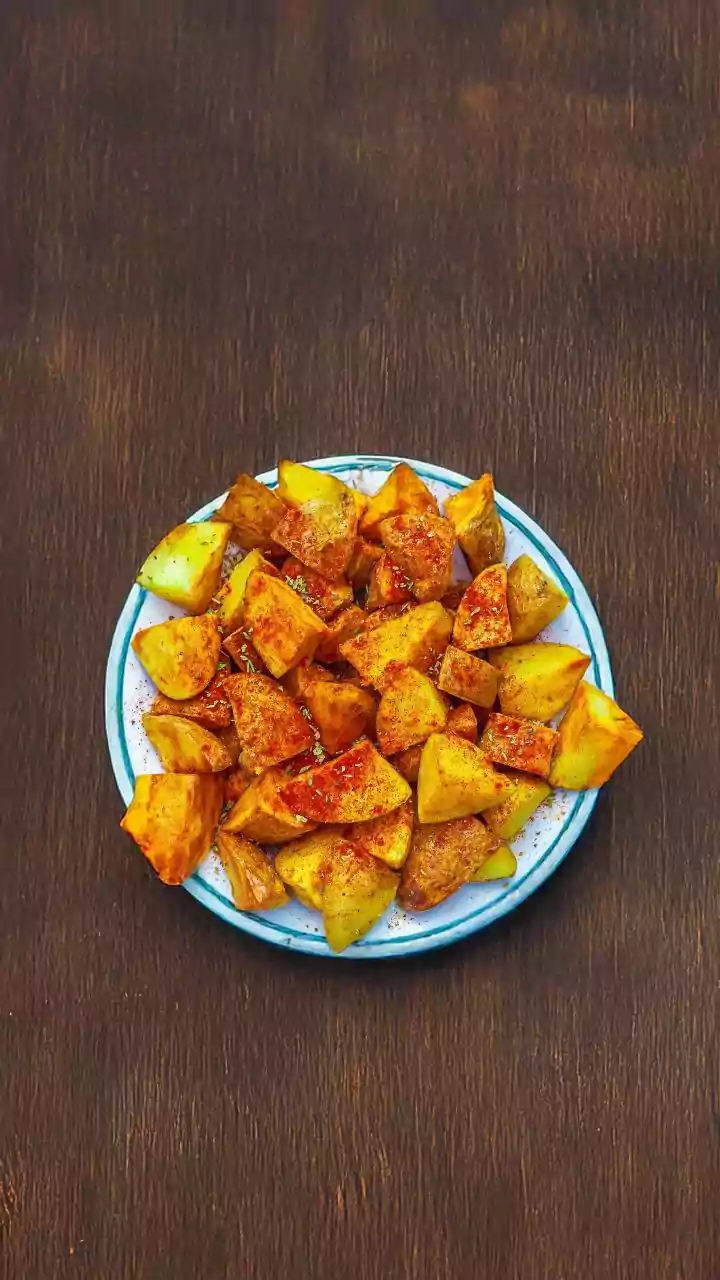
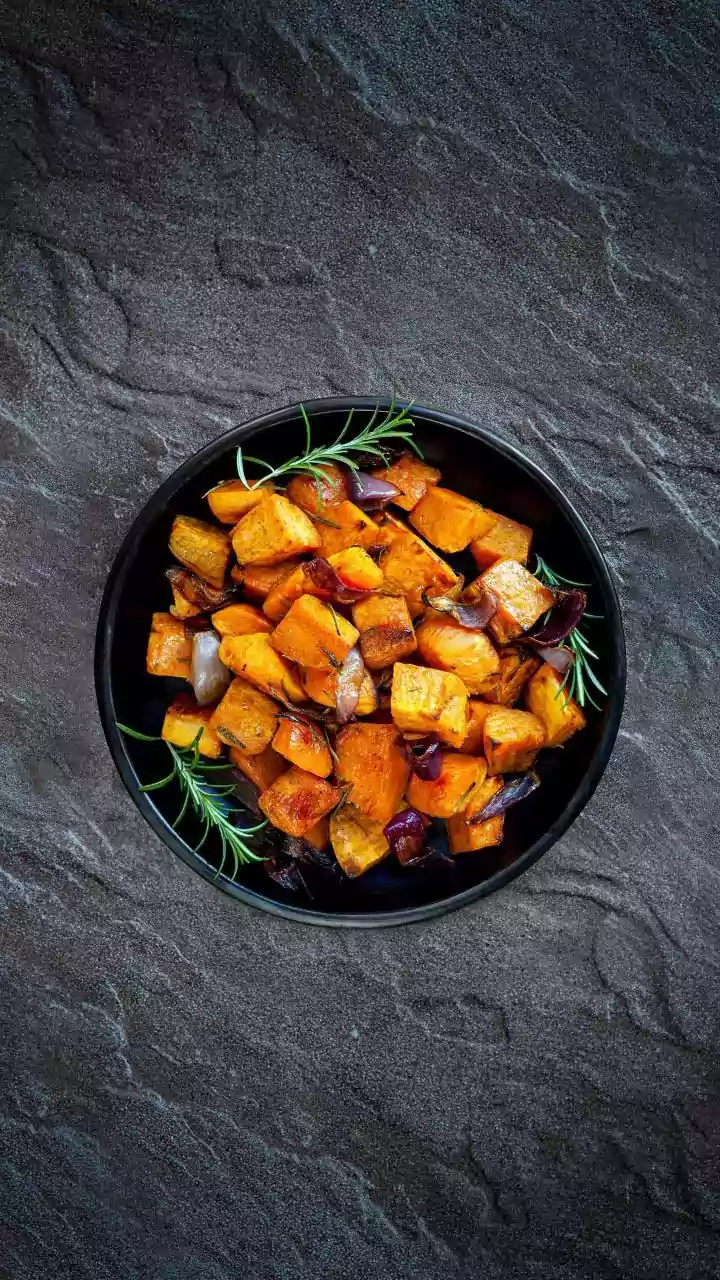
Farali food, also called 'vrat ka khana', refers to ingredients permitted during a religious fast. The rules involve avoiding regular grains like wheat and rice, lentils, onions, garlic, and common table salt. Instead, the focus shifts to a specific pantry of ingredients. For flours, devotees turn to buckwheat flour (kuttu ka atta), water chestnut flour (singhare ka atta), and amaranth flour (rajgira atta). Barnyard millet (samak rice) becomes a popular substitute for regular rice. Rock salt, or 'sendha namak', is used for seasoning as it's considered a purer form of salt. A wide array of vegetables like potatoes, sweet potatoes, pumpkin, and bottle gourd form the base of many dishes.
The Humble Fruit and Nut
The simplest and most fundamental part of the Navratri diet consists of fruits, nuts, and dairy. Fresh seasonal fruits like apples, bananas, and pomegranates provide natural energy and hydration. Nuts and dry fruits such as almonds, walnuts, cashews, and raisins are packed with nutrients, making them an ideal snack to maintain energy levels throughout the day. Dairy products like milk, yogurt (curd), paneer, and ghee are also central to the diet, providing necessary protein and fats. A simple bowl of fruit chaat or a handful of roasted makhana (fox nuts) can be a deeply satisfying and nourishing mini-meal.
Creating the Festive Feast
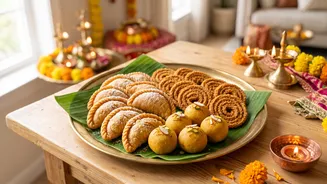
While the foundation is simple, farali cuisine can be wonderfully elaborate. Sabudana (tapioca pearls) is a versatile star, used to make everything from the beloved Sabudana Khichdi to crispy Sabudana Vada. The special flours are transformed into Kuttu ki Puri, Rajgira Paratha, and even dosas. These are often paired with a simple yet flavourful potato curry (Aloo ki Sabzi) made with tomatoes and seasoned with rock salt and black pepper. From crispy pakoras made with kuttu flour to hearty tikkis made from sweet potato (shakarkandi), the range of snacks is vast and delicious.
Sweet Offerings and Regional Flair
No festival is complete without sweets. During Navratri, desserts are made using permitted ingredients. Makhana Kheer, a creamy pudding made with fox nuts, milk, and nuts, is a popular choice. Halwas are prepared using singhara flour or sweet potato, sweetened with jaggery or sugar. The culinary traditions also reflect regional diversity. While North India enjoys elaborate thalis, Bengal celebrates with a special bhog of khichuri. In the South, different types of payasam are offered as naivedyam (offering to the deity). These regional variations showcase the incredible adaptability and richness of India's festive food culture.