





The Promise of Sweetness Without the Guilt
Non-caloric sugar substitutes, also known as non-nutritive sweeteners (NNS), are everywhere. From diet sodas and yoghurts to protein bars and baked goods, they offer the sweetness of sugar without the associated calories or spike in blood glucose. Common
examples include synthetic sweeteners like aspartame, sucralose, and saccharin, as well as plant-derived options like stevia. For millions, particularly those managing weight or conditions like diabetes, these substitutes have become a dietary staple, seen as a way to enjoy sweet tastes without consequence. This widespread use is built on the long-held assumption that because our bodies don't metabolise them for energy, they pass through us without any effect. However, scientists are discovering that's not the whole story.
Meet Your Gut Microbiome: A Hidden Organ
Inside your digestive tract resides a bustling community of trillions of microorganisms, including bacteria, viruses, and fungi, collectively known as the gut microbiome. Far from being passive residents, these microbes are crucial for our health. They help digest food, produce essential vitamins, regulate our immune system, and even influence our mood. A healthy, diverse microbiome is characterised by a balance of different microbial species. When this balance is disturbed—a state called dysbiosis—it can lead to a host of problems, from digestive issues like bloating to an increased risk of chronic conditions like inflammatory bowel disease, obesity, and type 2 diabetes. What you eat has a profound impact on which microbes thrive and which ones struggle.
An Unexpected Feast for Bacteria
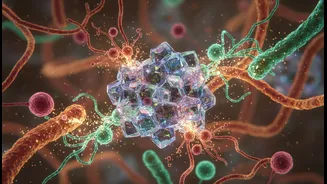
Here's the twist: while we can't digest non-caloric sweeteners, our gut bacteria can. Since they aren't absorbed in the small intestine like regular sugar, these sweeteners travel down to the large bowel, where the vast majority of our gut microbes live. Once there, they become an available food source. But not all bacteria can metabolise them equally. This selective feeding can dramatically alter the gut environment, favouring the growth of some bacteria while inhibiting others. Studies on sweeteners like saccharin, sucralose, and aspartame have shown they can significantly change the composition of the gut microbiome. This interaction challenges the idea that these substances are biologically inert, revealing a direct line of communication between what we consume and the microbial world within us.
Shifting the Balance and Its Consequences
The microbial imbalance, or dysbiosis, induced by some sweeteners is not random. Research has shown a pattern where the population of beneficial bacteria, such as Lactobacillus and Bifidobacterium, can decrease. Simultaneously, there can be an increase in bacteria that are more commonly associated with inflammation and negative health outcomes, like certain species within the Enterobacteriaceae family. This shift is significant because it's not just a numbers game. These changes can alter the functional output of the microbiome. For example, some studies suggest that sweetener-induced dysbiosis can paradoxically lead to glucose intolerance—the very condition many people use them to avoid. This occurs because the altered microbiome may interfere with the body's ability to regulate blood sugar effectively.
The Ripple Effects on Your Health
The impact of a disrupted microbiome doesn't stop at the gut wall. An imbalanced gut can become more permeable or 'leaky', and the metabolic byproducts of a less-healthy microbial community can trigger low-grade inflammation throughout the body. This systemic inflammation is a known risk factor for a wide range of metabolic disorders, including obesity and heart disease. Some research, primarily in animals, has linked regular consumption of artificial sweeteners to these very conditions. Recent lab studies have also found that the effects of sweeteners can be amplified when combined with other common substances, like medications or food additives, leading to even more significant disruption of microbial communities. While much of this research is still in its early stages and often conducted in labs or with animals, the findings present a compelling case for re-evaluating our relationship with these sugar substitutes.