


A Symphony That Plays Briefly
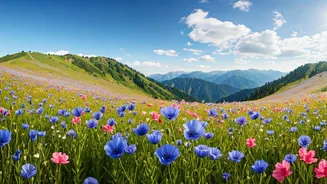
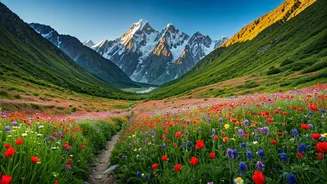
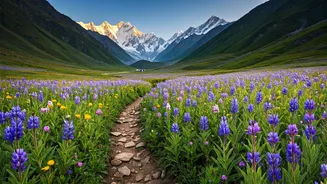
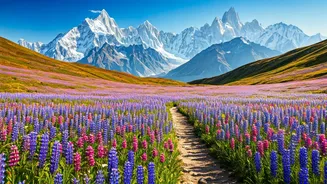
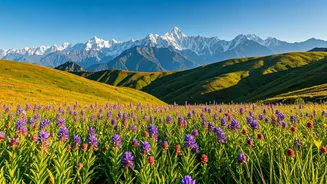
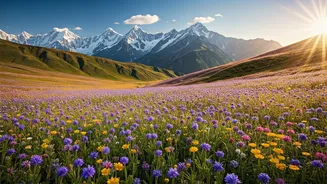
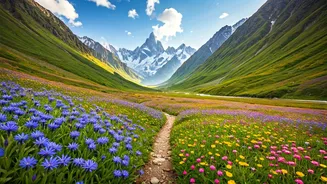
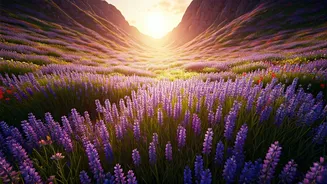
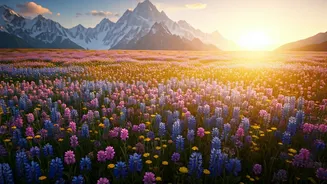
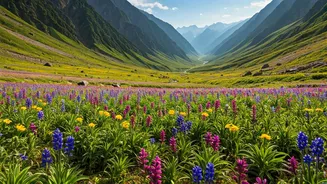
Imagine a valley, nestled high in the Garhwal Himalayas, bursting into a riot of colour. This is not a landscape painting; it is the Valley of Flowers National Park, a UNESCO World Heritage Site, during its mesmerising peak bloom. For a few short weeks,
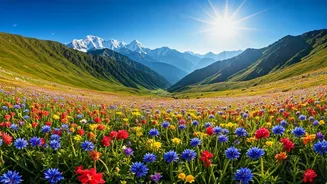
typically between mid-July and late August, this alpine meadow transforms into a natural canvas painted with over 600 species of wildflowers. The air hums with the buzz of bees and the scent of blossoms. But this spectacle is profoundly temporary. The window is short. Before you know it, the monsoon rains intensify, the first chills of autumn arrive, and the valley’s colours retreat for another year. Missing this window doesn't just mean postponing a trip; it means missing a unique, unrepeatable alignment of weather, altitude, and botany.
More Than Just Flowers
To call it just a floral bloom is a gross understatement. It’s an explosion of rare and endemic biodiversity. This is where you find the elusive Blue Poppy, a flower so strikingly blue it seems otherworldly. It's home to the Cobra Lily, the Brahma Kamal, and countless other species that thrive in this specific high-altitude environment. Each week, the dominant colours of the valley shift as different flowers take their turn in the spotlight, from purple to yellow to white. This dynamic, ever-changing nature of the bloom means that no two visits are ever exactly the same. The regret of missing it stems from knowing you’ve missed a specific, one-time performance that nature put on. It’s a living, breathing ecosystem at its most expressive, a sight that photographs can capture but never truly convey the scale or the feeling of being immersed in.
The Journey Forges the Memory
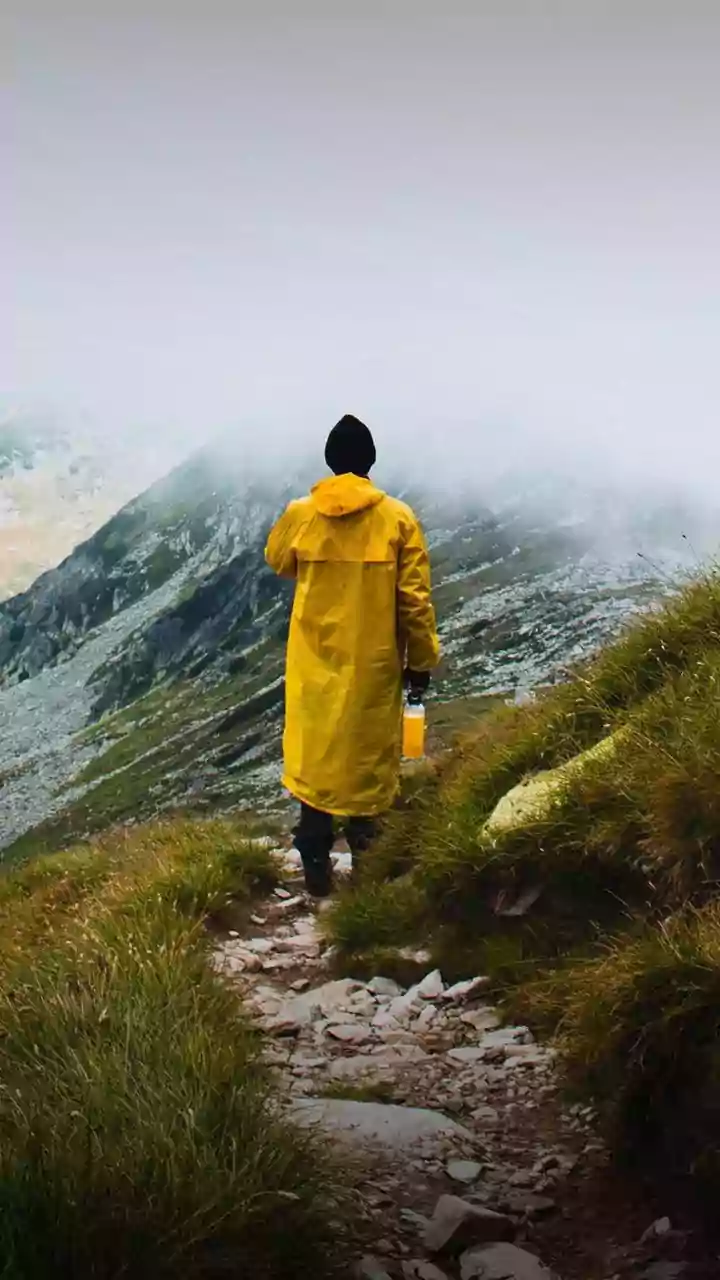
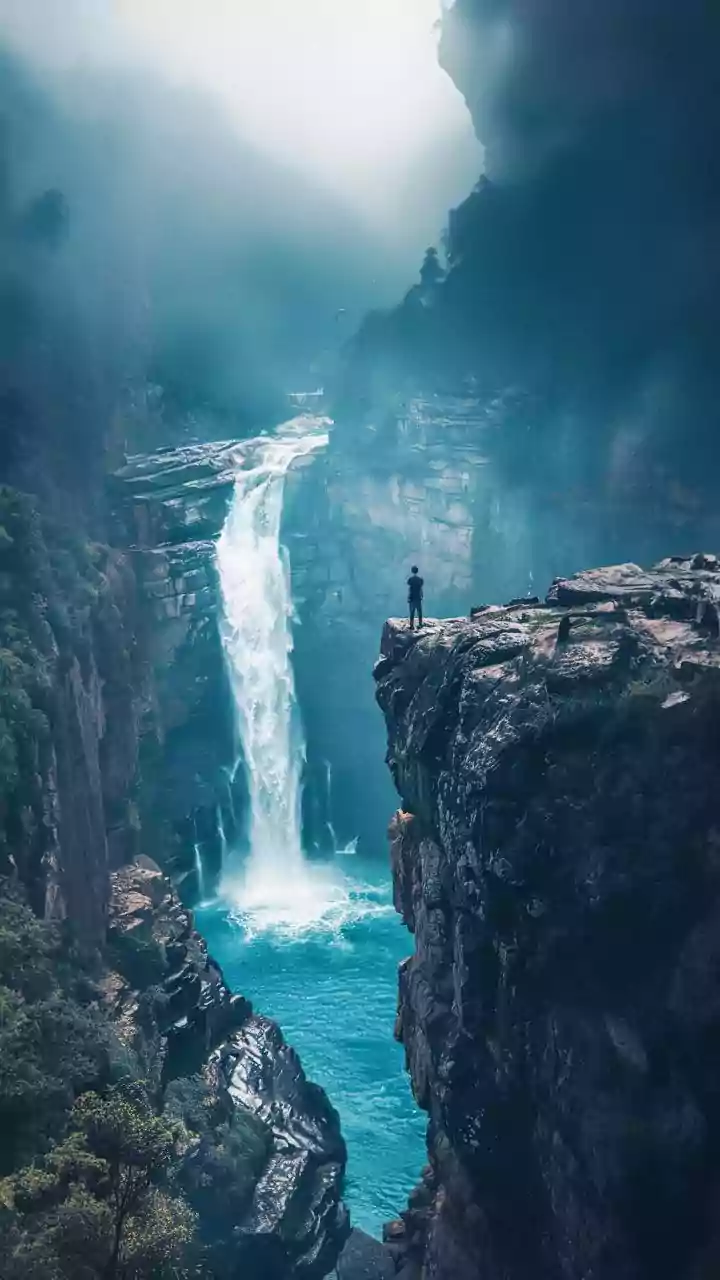
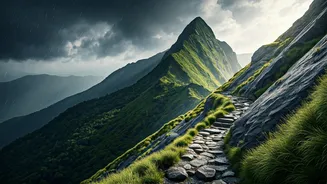
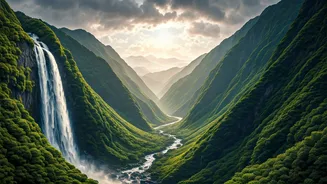
The experience is not one of passive consumption. You cannot simply drive up and take a selfie. The journey to the valley is an integral part of its magic. The trek, typically starting from Pulna village near Govindghat, is a moderately challenging path that takes you along the gushing Pushpawati River. Every step builds anticipation. You pass through dense forests, cross quaint bridges, and witness cascading waterfalls. This physical effort makes the final reveal of the flower-carpeted valley all the more rewarding. It filters out the casual tourist, leaving only those who truly seek the experience. The shared sense of purpose among fellow trekkers, the simple meals at the base camp in Ghangaria, and the feeling of disconnecting from the digital world to connect with the mountains—all these elements combine to make the trip a profound personal achievement, not just a sightseeing tour.
A Valley Steeped in Legend
The regret is also about missing a connection to a place woven into India’s cultural and spiritual fabric. Local legend holds that this is the very place—the ‘Gandhamadana’—from which Lord Hanuman collected the mythical Sanjeevani herb to save Lakshmana in the Ramayana. For centuries, yogis have meditated here, believing the valley to be imbued with a powerful spiritual energy. To walk here is to tread on ground rich with myth and meaning. You aren't just observing nature; you are participating in a story that is thousands of years old. This adds a layer of depth that few other treks can offer. It transforms a beautiful walk into a pilgrimage of sorts, connecting you to a lineage of seekers who have been drawn to this spot for its sacred power.