
An Emerald Canvas Comes to Life
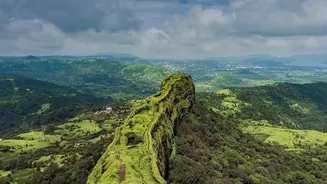
Forget the conventional wisdom that says to avoid the Northeast during the rains. For an increasing number of young travellers, the monsoon is precisely the reason to visit Assam. From June to September, the state undergoes a dramatic transformation.
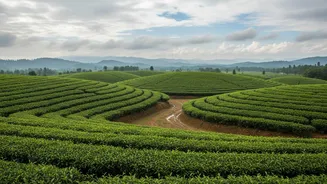
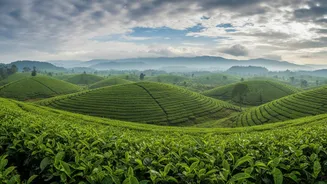
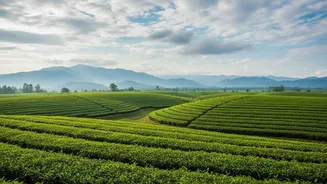
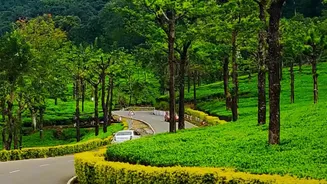
The heat of the summer washes away, replaced by a constant, life-giving drizzle that turns the entire landscape into a vibrant, emerald-green paradise. The tea gardens in Jorhat and Dibrugarh become impossibly lush, their leaves glistening with raindrops, and the air fills with the fresh, earthy scent of wet soil. This isn't a trip for those seeking adrenaline-pumping adventures every minute; it's for travellers who want to slow down, witness nature's poetry, and see a place at its most authentic and alive.
Fewer Crowds, More Authenticity
One of the biggest draws for a monsoon trip is the relative peace and quiet. The winter months, from October to April, are considered Assam's peak tourist season. In contrast, the rainy season sees far fewer visitors. For young travellers tired of battling crowds at popular destinations, this off-season charm is a massive plus. It translates to a more serene and personal experience, whether you're exploring the mystical Kamakhya Temple in Guwahati against a backdrop of grey skies or visiting ancient Vaishnavite monasteries (Satras) on Majuli island. This quieter atmosphere allows for more meaningful interactions with locals and a deeper connection to the place, shifting the focus from a tourist checklist to genuine cultural immersion.
Unique Monsoon-Only Experiences
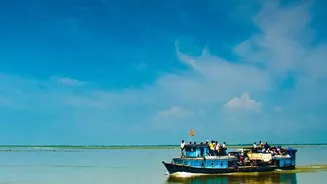
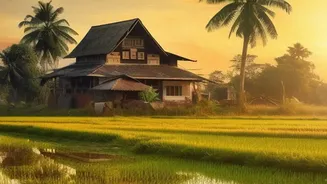
While some attractions, like the core zones of Kaziranga National Park, close due to flooding, the monsoon opens up a different kind of itinerary. The areas surrounding the national parks become rich wetlands teeming with life, and you might still spot rhinos or other animals from the main roads. Haflong, Assam's only hill station, becomes a misty wonderland of clouds pouring through valleys and waterfalls appearing overnight. On Majuli, the world's largest river island, the rising Brahmaputra creates a dramatic landscape perfect for those seeking soulful solitude. Though travel can be unpredictable with potential ferry disruptions, the experience of sipping chai in a traditional Mising homestay while storms roll over the river is unforgettable.
The Appeal of Slow, Budget-Friendly Travel
This trend also aligns with a broader shift in travel philosophy. Many young people are moving away from hectic, multi-city tours and embracing 'slow travel'—staying longer in one place to truly absorb its rhythm. The monsoon in Assam is perfectly suited for this mindset. The weather itself encourages a slower pace, inviting you to spend an afternoon reading by a rain-streaked window or taking a leisurely walk through a tea estate. Furthermore, travelling during the off-season often means better deals. Flights and accommodations can be more affordable, making it a budget-friendly option for students and young professionals. This combination of a relaxed pace and lower costs makes a rainy holiday in Assam both accessible and deeply rewarding.