

Green vs. Black: Know Your Elaichi
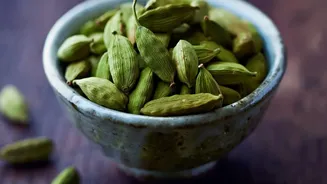
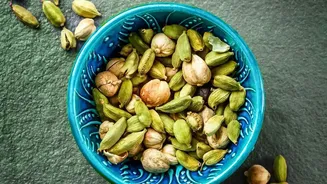
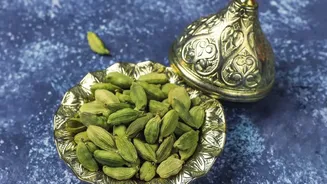
Before you start cooking, it is important to know that not all cardamom is the same. The two main varieties, green and black, have vastly different flavour profiles and uses. Green cardamom (choti elaichi) is what most people think of when they hear 'cardamom'.
It's small, with a pale green, papery pod and a sweet, floral, and slightly citrusy aroma. This makes it incredibly versatile for both sweet and savoury dishes. Black cardamom (badi elaichi) is a different spice altogether. The pods are larger, dark brown, and are dried over a fire, which gives them a powerful smoky and almost camphor-like flavour. It's used almost exclusively in hearty, slow-cooked savoury dishes where its bold character can shine. The two are not interchangeable, so using the right one is key to a successful dish.
Tips for Unlocking Maximum Flavour
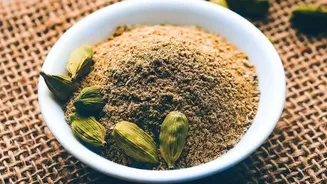
To get the most out of your cardamom, how you prepare it matters. For a subtle, infused aroma, gently crush a whole green pod with the flat side of a knife and add it to simmering liquids like rice water, curries, or stews. Remember to remove the fibrous pods before serving, much like you would a bay leaf. For a more immediate and potent flavour burst, especially in baking or spice blends, it is best to use ground cardamom. While pre-ground cardamom is convenient, the flavour diminishes over time. For the most vibrant taste, buy whole pods, crack them open to remove the small black seeds, and grind them yourself in a spice grinder or with a mortar and pestle just before use. Toasting the whole pods in a dry pan for a minute or two before grinding can add another layer of aromatic depth.
Sweet Sensations Beyond Kheer
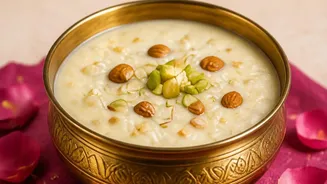
While essential to Indian desserts like kheer and gulab jamun, green cardamom’s talents extend far beyond traditional sweets. Its warm, aromatic notes pair beautifully with fruits, nuts, and chocolate. Try adding a pinch of ground cardamom to your next batch of cookies, muffins, or banana bread for an unexpected and sophisticated twist. It can elevate a simple fruit compote, especially with peaches or pears, or be stirred into custards and rice puddings for a comforting fragrance. For a simple treat, whisk some ground cardamom into whipped cream or yogurt to serve alongside fresh fruit or cake. In many baking recipes, you can even use it as a 1:1 substitute for cinnamon to create a familiar yet excitingly different flavour profile.
The Savoury Secret Weapon
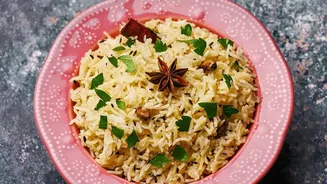
In savoury cooking, cardamom provides a fragrant warmth that builds complexity. Whole green cardamom pods are a cornerstone of aromatic rice dishes like biryani and pulao, where they are fried in ghee or oil at the start to infuse the entire dish. But its use doesn't stop there. Green cardamom adds a subtle floral note to rich, creamy kormas and lentil dishes. You can even try it in more unexpected ways, such as in an okra stir-fry (Bhendi Elaichi Masala) or a fragrant chicken curry where it's the star flavour. Black cardamom, on the other hand, is the go-to for adding smoky depth to robust North Indian curries, dal makhani, and slow-cooked meat dishes.
Aromatic Sips and Global Flavours
Cardamom’s magic isn't limited to food. A crushed green cardamom pod is the soul of masala chai, providing that iconic soothing aroma. It’s also a classic addition to coffee throughout the Middle East, where it lends a beautiful, fragrant lift. You can easily replicate this by adding a pod or a pinch of ground cardamom to your coffee grounds before brewing. Beyond India, this spice is beloved globally. It is a key ingredient in Scandinavian baking, featuring prominently in their famous cardamom buns and sweet breads. Exploring how other cuisines use cardamom can provide a world of inspiration for your own kitchen experiments.