


Assess and Clean Up
The first step is a thorough inspection. Heavy rains can cause physical damage to plants and compact the soil in your pots. Begin by clearing away any fallen leaves, twigs, and other debris from the soil surface and drainage trays. This simple clean-up
improves air circulation and removes potential hiding spots for pests and fungal spores that thrive in damp conditions. Check your pots to ensure their drainage holes are not blocked. If you notice any plants sitting in stagnant water, it's a clear sign of poor drainage that needs to be addressed immediately to prevent root rot.
Prune for Healthy Growth
Monsoon often leads to rapid, sometimes leggy, growth. Now is the time to prune. Trim away any yellowed, dead, or diseased leaves and branches. This not only improves the plant's appearance but also prevents the spread of diseases. Don’t be afraid to cut back overgrown stems to encourage bushier, healthier growth as the new season begins. Pruning enhances air circulation through the plant's foliage, which is crucial for reducing the risk of fungal infections like powdery mildew that are common after long periods of high humidity. Use clean, sharp tools to make your cuts to avoid damaging the plant tissue.
Revitalise Your Soil
Continuous rain can wash away essential nutrients from the soil and compact it, suffocating the roots. It’s vital to replenish these nutrients. Gently loosen the top few inches of soil with a small fork or trowel to improve aeration. This is also the perfect time to add a fresh layer of organic compost or well-rotted manure. These organic materials slowly release nutrients, improve soil structure, and boost microbial activity, creating a healthy environment for roots. Mixing in a handful of neem cake (neem khali) can further enrich the soil and help deter common soil-borne pests.
Manage Pests and Diseases
The post-monsoon period, with its lingering humidity, is a prime time for pests like mealybugs, aphids, and snails to multiply. Fungal diseases such as powdery mildew and leaf spot are also common. Inspect your plants carefully, especially the undersides of leaves and the joints of stems. For many common pests, a simple spray of neem oil solution (a few drops of neem oil and a drop of mild soap in a litre of water) applied weekly can be an effective and organic deterrent. For snails and slugs, you can sprinkle some wood ash around the base of the plants.
Plan Your Winter Garden
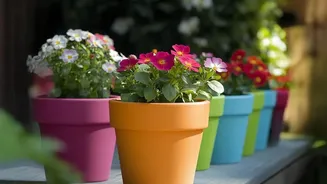
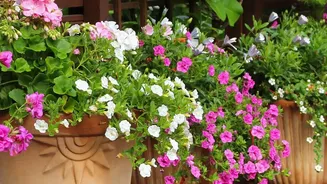
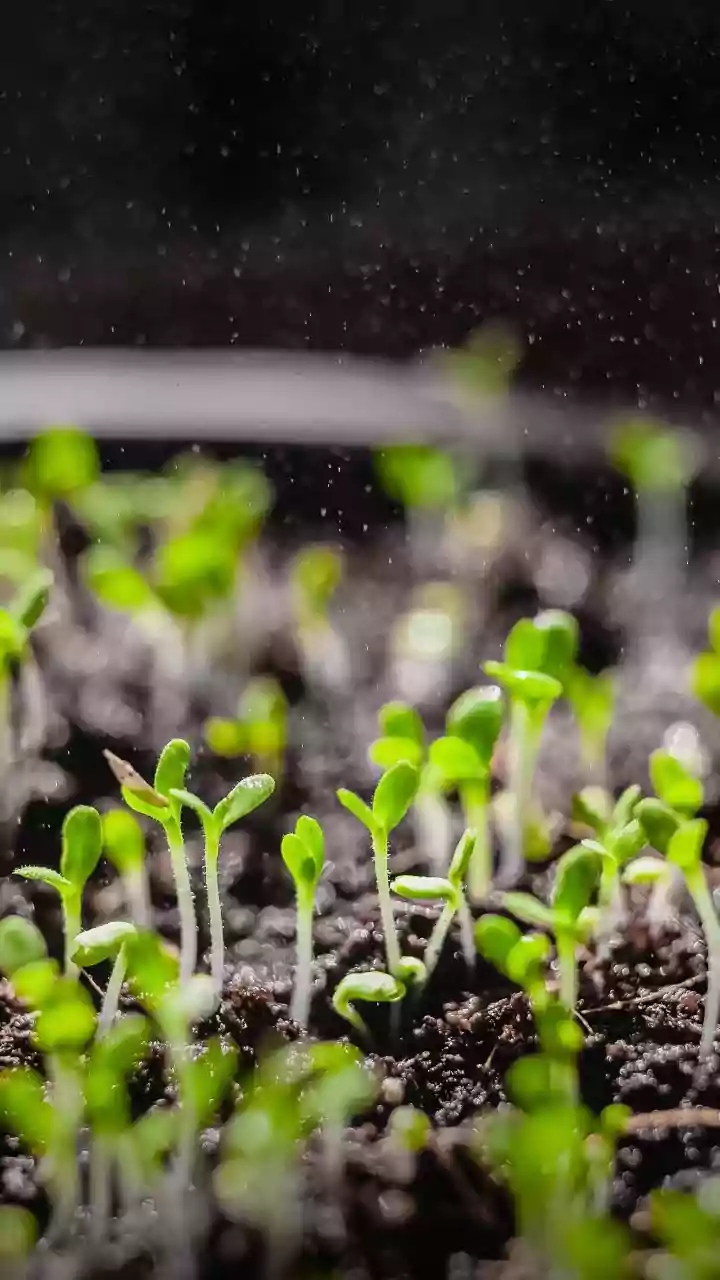
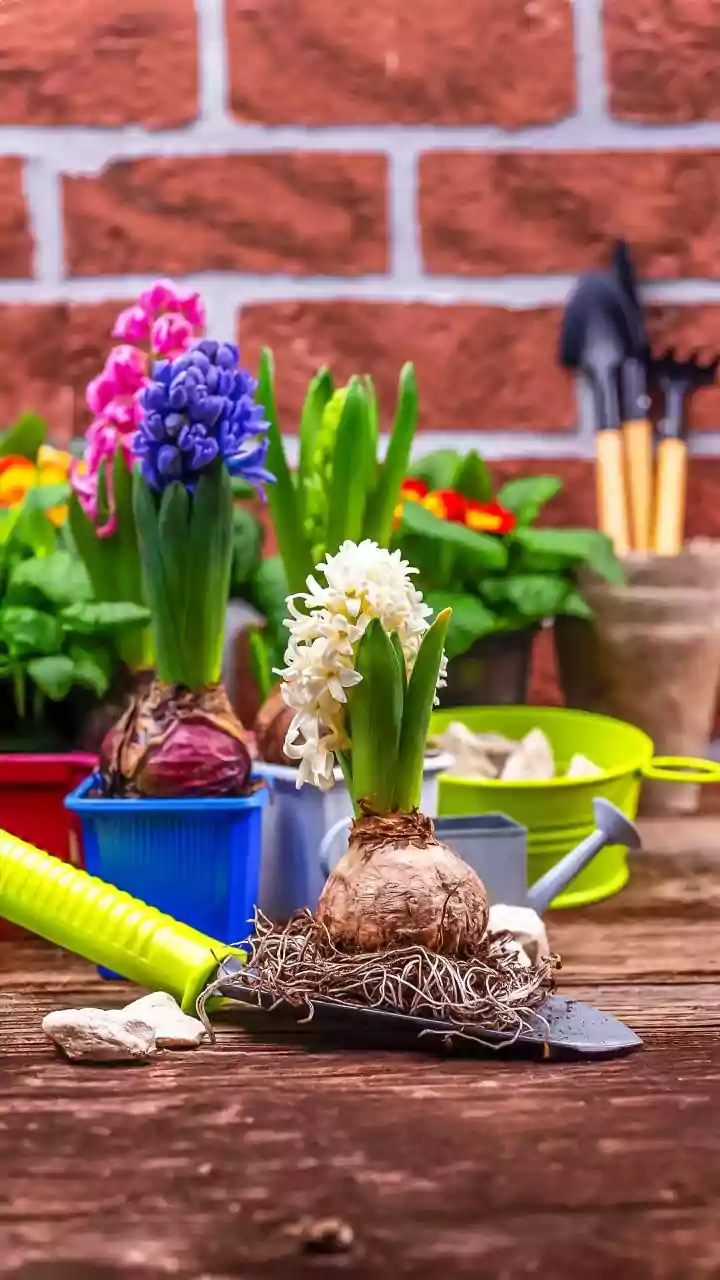
With your garden cleaned up and your existing plants cared for, it’s time to think about the upcoming winter season, which is ideal for a wide variety of flowers and vegetables in India. This is the perfect time to sow seeds for winter blooms like marigolds, petunias, pansies, and dianthus. It's also the start of the growing season for many vegetables. You can easily grow leafy greens like spinach (palak) and fenugreek (methi), as well as root vegetables like carrots and radishes, in balcony containers. Choose pots with good drainage and use a fresh, nutrient-rich potting mix for your new additions.
Adjust Your Watering Routine
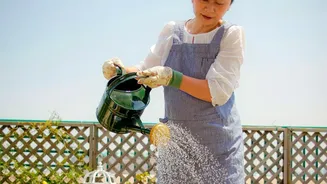
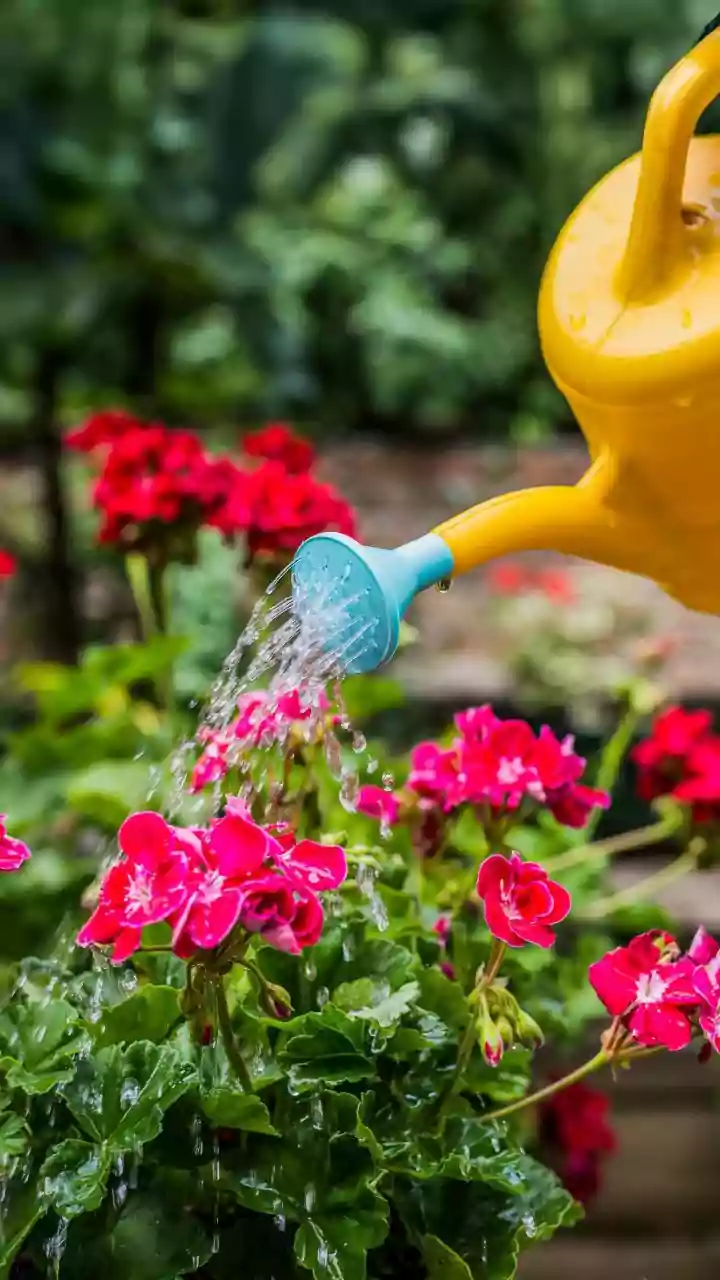
After months of not having to worry about watering, you now need to shift your routine. As the weather becomes drier and cooler, the water requirements of your plants will change. Overwatering is a common mistake post-monsoon. Always check the soil before watering. A simple finger test is effective: poke your finger an inch or two into the soil. If it feels dry, it's time to water; if it's still moist, wait another day or two. This prevents the risk of root rot, which can still be a threat even after the rains have stopped.