


The Rise of the Conscious Consumer
The shift towards healthier eating in India is no longer a niche trend but a mainstream movement, profoundly influencing the snack industry. A growing awareness around lifestyle-related health conditions, accelerated by a post-pandemic focus on wellness,
has empowered consumers to take a more proactive role in their nutrition. People are not just trying to cut back on junk food; they are actively seeking out snacks that offer functional benefits. This has triggered a wave of conscious consumption, with a significant number of shoppers now diligently checking food packets. This is a major change from a few years ago, when taste and convenience were the primary drivers for snack purchases.
From Expiry Dates to Ingredient Lists
Not long ago, checking a snack packet meant a quick glance at the manufacturing and expiry dates. Today, it’s a much deeper investigation. A recent survey revealed that a remarkable 73% of Indians now read ingredient lists and nutritional values before buying a snack. Consumers are becoming label detectives, looking beyond bold marketing claims like 'multigrain' or 'no added sugar' to understand what's really inside. They are scrutinising the order of ingredients, looking for hidden sugars, and identifying artificial additives, preservatives, and refined flours. This push for transparency has made 'clean label'—products with few, simple, and recognisable ingredients—a highly sought-after attribute.
The New Snack Superstars
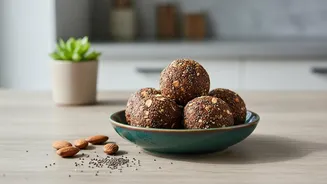
This discerning new attitude has crowned a new generation of snack heroes. Ancient grains, once considered humble, are now at the forefront. Millets like jowar and ragi are being transformed into modern, crunchy snacks such as baked crisps and puffs. Government initiatives and a renewed appreciation for their drought-resistant nature have further boosted their popularity. Similarly, makhana (fox nuts) have skyrocketed from a traditional fasting food to a mainstream favourite, celebrated for being light yet satisfying. Plant-based snacks made from nuts, seeds, and pulses are also surging, aligning with the demand for natural, high-protein options. According to one report, a staggering 86% of Indians now consider protein an important factor when choosing a snack.
Brands Race to Keep Up
This consumer-led shift is forcing the entire food industry, from legacy giants to agile startups, to innovate. Large companies are reformulating products, launching baked or 'not-fried' versions of popular snacks, and acquiring smaller health-focused brands. At the same time, a vibrant ecosystem of D2C (direct-to-consumer) brands has emerged, built on the promise of transparency and health. Brands like The Whole Truth, Yoga Bar, and Farmley are resonating with consumers by offering products that are free from palm oil, maida, and artificial ingredients. They use their packaging and digital platforms not just to sell, but to educate consumers about nutrition, creating a loyal community around their 'clean-eating' ethos.