






Coorg, Karnataka: The Scotland of India
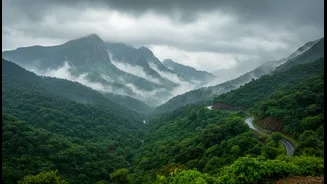
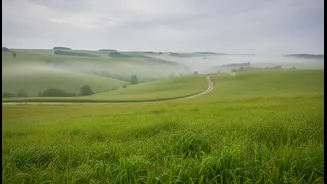
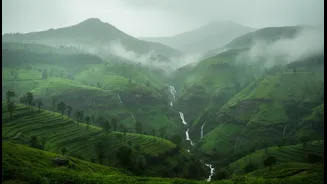
Known as the ‘Scotland of India’, Coorg's charm multiplies during the monsoon. The seemingly endless coffee plantations are washed clean, revealing a brilliant, deep green, while the misty hills create a romantic and serene atmosphere. The rainy season,
from June to September, is when waterfalls like Abbey and Irupu Falls are at their most powerful and spectacular. For the more adventurous, the swelling Barapole River offers thrilling white-water rafting opportunities. The landscape, shrouded in mist and bursting with life, makes a compelling case for embracing, not escaping, the rains.
Munnar, Kerala: Emerald Tea Gardens and Mist
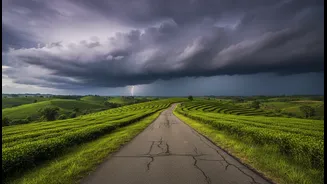
Munnar in the monsoon is a symphony of green. The rain breathes new life into the region’s iconic tea gardens, making them appear even more lush and vibrant under a blanket of mist. Waterfalls such as Attukad and Lakkam, which are modest trickles in the summer, become thunderous cascades. While heavy downpours might limit some outdoor activities to the mornings, the afternoons are perfect for enjoying the views from a cozy spot with a fresh cup of tea. The cool, clean air and the dramatic, cloud-filled skies make it a peaceful retreat for those looking to connect with nature.
Cherrapunji, Meghalaya: The Land of Living Bridges
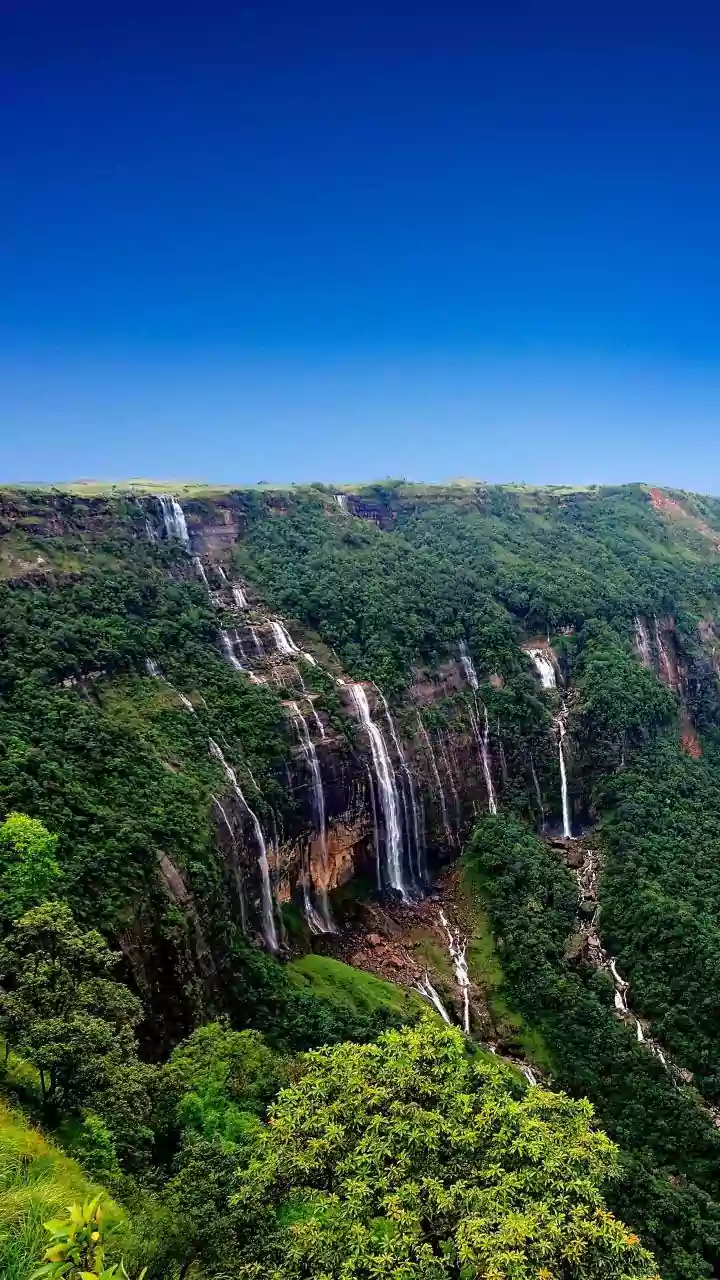
As one of the wettest places on Earth, Cherrapunji (also known as Sohra) is a destination built by the monsoon. The rains feed its countless waterfalls, including the majestic Nohkalikai and Seven Sisters Falls, which are at their peak during this time. The landscape becomes a dramatic spectacle of roaring cascades, deep green valleys, and swirling clouds. This is also the best season to see the famous living root bridges, as the surrounding vegetation is at its most verdant, creating a truly otherworldly scene. For anyone who truly loves the rain, Cherrapunji offers an immersive and unforgettable experience.
Valley of Flowers, Uttarakhand: A Himalayan Carpet
This UNESCO World Heritage Site is a unique monsoon destination, as it only opens from June to October. The rainy season is precisely what brings this high-altitude valley to life. Monsoon showers trigger the blooming of hundreds of species of alpine flowers, carpeting the entire valley in a breathtaking tapestry of colour. Trekking to the valley during July and August offers the best chance to see it in full bloom. It’s a trek through rain-washed, vibrant landscapes, rewarding visitors with a floral spectacle found nowhere else on earth.
Udaipur, Rajasthan: The City of Lakes Reimagined
While Rajasthan is often associated with arid landscapes, the monsoon transforms Udaipur. The city’s famous lakes, like Pichola and Fateh Sagar, are replenished, and the surrounding Aravalli hills turn a surprising shade of green. The Sajjan Garh Palace, aptly nicknamed the Monsoon Palace, offers panoramic views of the clouds rolling in over the refreshed city. It was originally built to watch the monsoon clouds, making it the perfect vantage point. The rain washes the city's marble palaces, lending a fresh, romantic aura to the historic streets and making it a unique time to visit.
Lonavala and Khandala, Maharashtra: A Sahyadri Getaway
For those in Mumbai and Pune, the twin hill stations of Lonavala and Khandala are classic monsoon getaways. The Sahyadri ranges come alive with countless waterfalls, lush greenery, and a cool, misty atmosphere. Key attractions like Bhushi Dam and Kune Falls become spectacular sights with overflowing water. Viewpoints such as Lion's Point offer dramatic vistas of valleys filled with clouds and seasonal streams cascading down cliffs. The easy accessibility and the sheer beauty of the rain-drenched landscape make it a perfect short trip to enjoy the season's splendour.