







The Science of Irresistible
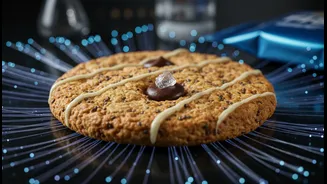
Hyper-palatability is a term scientists use to describe foods engineered to be intensely pleasurable and rewarding. Food manufacturers create them by combining specific amounts of fat, sugar, sodium, and carbohydrates to hit a sensory 'bliss point'. These
combinations are rarely found in nature. Think of the salty-fat duo in bacon or the fat-and-sugar mix in ice cream. This engineering doesn't just make food taste good; it activates the reward centers in your brain, releasing a feel-good chemical called dopamine. This process is so powerful that it can make you want to keep eating even when you're not physically hungry, creating a cycle of cravings.
The 'Diet Food' Deception
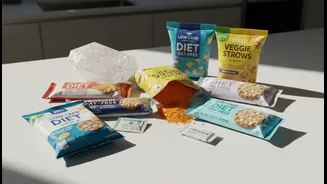
Here's where the trap is sprung. Many foods marketed as 'diet', 'low-fat', or 'keto-friendly' are designed to be hyper-palatable. When manufacturers remove one component, like fat, they often compensate by adding more sugar and sodium to keep the product tasting great. The result is a snack that, despite its healthy-sounding label, still triggers the same intense reward response in your brain. These products create a 'health halo,' making you believe you're making a virtuous choice. In reality, you might be consuming an ultra-processed item engineered to make you overeat.
How It Stalls Fat Loss
The core problem with hyper-palatable foods is their ability to override your body’s natural fullness signals. Normally, hormones like leptin tell your brain when you’ve had enough to eat. Hyper-palatable foods can interfere with this communication, so you continue to eat beyond your energy needs. Research shows that when meals include hyper-palatable foods, people consistently consume more calories, regardless of whether they are on a low-fat or low-carb diet. This isn’t a failure of willpower; it’s your brain’s reward system being deliberately targeted and hijacked, making moderation incredibly difficult.
Common Culprits in Disguise
Many popular diet snacks fall into the hyper-palatable category. That protein bar might seem like a good post-workout choice, but many are loaded with sugar and fat, resembling a candy bar. Low-fat flavored yogurts often contain high amounts of added sugar. Baked 'healthy' crisps and crackers rely on a potent carbohydrate-and-sodium combination that encourages you to finish the whole bag. Even some keto snacks, while low in carbs, can be high in specific fat-and-salt combinations designed to keep you coming back for more. The common thread is that they are processed and lack the fiber and protein that naturally help you feel full.
Escaping the Trap for Good
Breaking free from the hyper-palatability trap involves shifting your focus from marketing claims to food quality. Prioritize whole, single-ingredient foods—like fruits, vegetables, lean proteins, and unsalted nuts. These foods don’t have the potent combinations of ingredients that overstimulate your brain. When you do buy packaged foods, read the nutrition label carefully. Look beyond the calorie count to the amounts of added sugar, sodium, and the types of fats. Another powerful strategy is mindful eating. By eating slowly and without distractions, you give your brain a better chance to register its own satiety signals. Re-engaging with the experience of eating helps you regain trust in your body's natural hunger and fullness cues.