



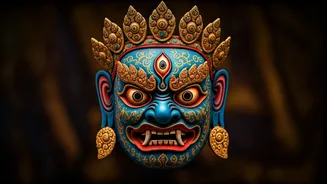


A Spectacle High in the Himalayas
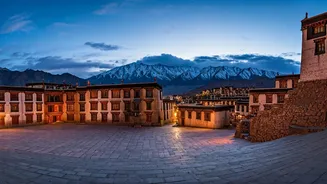
Every year, during the fifth month of the Tibetan lunar calendar, the stark, rocky landscape surrounding the 400-year-old Hemis Monastery transforms. The quiet reverence of this Buddhist sanctuary gives way to a vibrant, pulsating energy that draws visitors
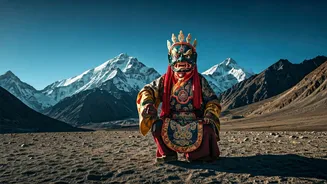
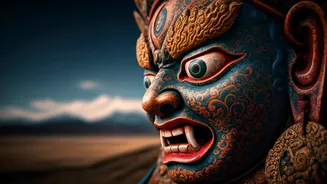
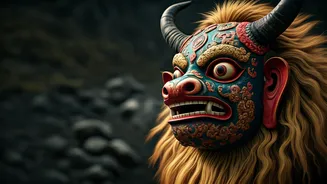
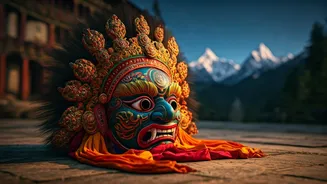
from every corner of the globe. They come for the Hemis Tsechu, a two-day festival celebrating the birth of Guru Padmasambhava, the revered 8th-century sage credited with establishing Tantric Buddhism in Tibet. At the heart of this celebration are the Cham dances—a powerful form of monastic performance that is part meditation, part ritual, and entirely mesmerising. Monks, or lamas, don elaborate brocade costumes and larger-than-life masks, embodying divine and demonic figures from Buddhist mythology.
The Dance of Dharma
For the uninitiated, the Cham dance might appear as a chaotic, if beautiful, performance. But for those who understand its language, it is a profound sermon in motion. Each step, gesture, and turn is codified, a sacred choreography passed down through generations. The dance is a physical manifestation of Dharma (the cosmic law and order of Buddhism). The central narrative is the eternal battle between good and evil, where protector deities clash with malevolent spirits. The slow, deliberate movements of some characters and the frenetic, aggressive energy of others tell a story of spiritual warfare. This is not entertainment in the Western sense; it is a ritual designed to cleanse the land of evil spirits, protect the faithful, and impart moral teachings upon the audience.
Symbolism Behind the Masks
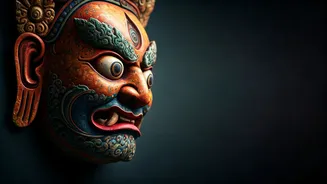
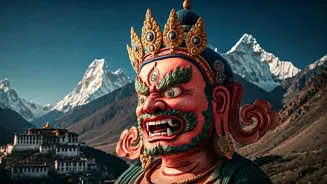
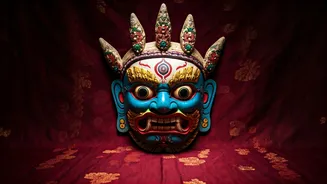
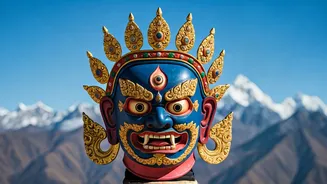
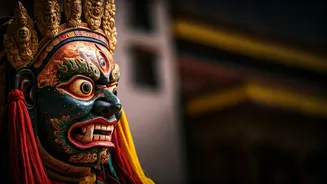
The masks are the soul of the performance. Carved from wood or crafted from papier-mâché, they are not mere props but are considered consecrated objects, transforming the wearer into the deity they represent. Some masks depict serene, compassionate Bodhisattvas, while others are terrifying, with bared fangs and bulging eyes, representing wrathful deities who act as fierce protectors of the Buddhist faith. The skull-adorned masks of the Citipati, the Lords of the Charnel Ground, remind onlookers of the impermanence of life. The grand finale often involves the destruction of a human effigy made of dough, symbolising the vanquishing of the ego and negative forces. Watching this, the audience participates in a collective act of spiritual purification.
In Search of Authenticity
So, why does this remote festival attract 'global cultural seekers' rather than just tourists? The answer lies in its authenticity. In a world saturated with manufactured experiences, Hemis offers a rare window into a living, breathing spiritual tradition. This is not a reenactment for visitors. The festival would take place with the same solemnity and purpose even if no outsiders were present. For the cultural seeker, this is the ultimate prize: the opportunity to witness a sacred ritual that has remained largely unchanged for centuries. The dances provide a direct, visceral connection to the philosophical underpinnings of Tibetan Buddhism in a way no book or documentary ever could. The journey to the remote, high-altitude region of Ladakh is itself a form of pilgrimage, filtering out casual tourists and attracting those with a genuine desire to understand.
The Living Legacy of Guru Padmasambhava
Ultimately, the festival's power comes from its connection to Guru Padmasambhava, often called the 'Second Buddha'. His mission was to subdue the local deities and demons of the Himalayas who were hostile to the spread of Buddhism, binding them by oath to protect the teachings. The Cham dances are a direct re-telling of these spiritual conquests. By attending, visitors are not just watching a historical play; they are participating in the renewal of this ancient pact. They witness the reaffirmation of spiritual order in one of the most spiritually significant landscapes on Earth. The festival is a living link to a foundational moment in Buddhist history, making it a deeply moving experience for believers and non-believers alike.