




Why Make the Switch to Ragi?
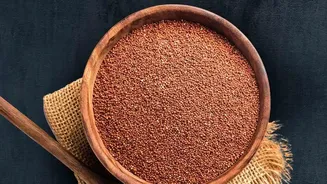
Before you start baking, it helps to know why ragi is such a powerhouse. Compared to regular wheat flour, ragi is a nutritional champion. It is naturally gluten-free and celebrated for its high content of dietary fiber, which aids digestion and helps keep
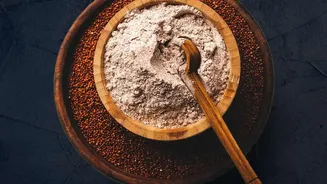
you feeling full for longer. Ragi is also one of the best plant-based sources of calcium, crucial for bone health, and is rich in iron. For those managing blood sugar levels, ragi's low glycemic index makes it a smarter choice, as it helps prevent sudden energy spikes and crashes. By incorporating this humble millet, you are not just baking; you are adding a dose of wholesome goodness to every bite.
The Golden Rules of Ragi Substitution
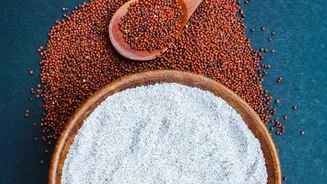
Substituting ragi for wheat isn't a simple one-to-one swap. Because ragi is gluten-free, it behaves differently. The key to success is to start gradually. For most recipes, begin by replacing 25-30% of the wheat flour or maida with ragi flour. For example, if a recipe calls for 1 cup of wheat flour, use ¾ cup of wheat and ¼ cup of ragi. This approach allows you to get the nutritional benefits while maintaining a familiar texture. As you get more comfortable, you can increase the ratio. Ragi flour is also thirstier than wheat, so you may need to add a bit more liquid—like milk, water, or oil—to keep your batter from becoming too dry. Sifting the ragi flour, sometimes even twice, can help create a lighter final product by aerating it.
For Soft Bakes: Cakes and Muffins
Ragi can give cakes and muffins a wonderfully dense, moist crumb and a rich, earthy flavour. When making cakes, a 50:50 blend of ragi and whole wheat flour often works well. To ensure a soft texture, pair ragi with moist ingredients. Bananas, yoghurt, oil, and eggs all help to counteract any potential dryness. The natural flavour of ragi pairs exceptionally well with chocolate, so a chocolate ragi cake is a great place to start. The cocoa powder's strong flavour complements ragi's nuttiness perfectly. Remember to not over-mix the batter, as this can lead to a tough cake. Gently fold the ingredients until just combined for a tender crumb.
For Crispy Treats: Cookies and Biscuits
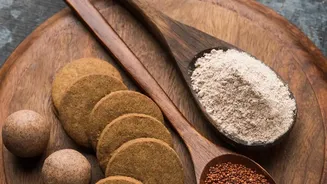
When it comes to cookies and biscuits, ragi’s properties are a major advantage, helping to create a delightful crunch. Many successful recipes use a 1:1 ratio of ragi flour to wheat flour. This combination provides the sturdiness from ragi and the familiar chewiness from wheat. Ghee or butter works wonderfully as the fat, contributing to a melt-in-the-mouth texture. Some recipes suggest refrigerating the dough for about 30 minutes before baking. This helps the fats solidify, preventing the cookies from spreading too much in the oven and ensuring a thicker, chewier final product. Jaggery is an excellent sweetener to use with ragi, as its caramel notes enhance the millet's natural flavour.
Tackling Breads with Ragi Flour
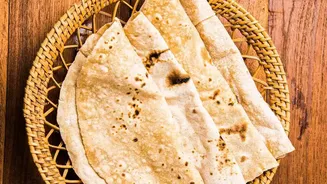
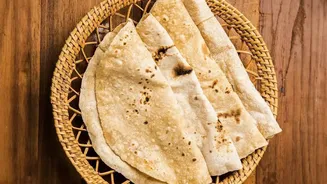
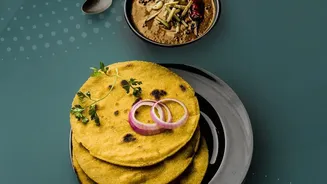
Baking bread is the most challenging task when substituting with ragi flour, primarily because of its lack of gluten, which provides structure and elasticity. For everyday flatbreads like rotis or chapatis, combining ragi and wheat flour in a 1:1 ratio is a popular method that makes the dough easy to roll and handle. Using hot water to knead the dough can also help make it more pliable. For leavened loaf breads, using 100% ragi flour is difficult without special ingredients. It is best to start by replacing only a small portion of the bread flour with ragi. For a fully gluten-free ragi loaf, you would need to add a binding agent like psyllium husk or xanthan gum to mimic the properties of gluten and help the bread hold its shape.