







As the sticky humidity of monsoon gives way to cooler, drier air, your hair and scalp breathe a sigh of relief. But this seasonal shift demands a change in your haircare, especially your oiling routine. What worked in one season might not in another.
The Post-Monsoon Scalp Shift
During the monsoon, high humidity and heat signal the sebaceous glands on your scalp to produce more oil. This, combined with sweat, creates a perpetually damp environment ideal for fungal growth and dandruff. As the season changes, the air becomes drier, but your scalp might still be over-producing oil out of habit. This transitional phase is tricky; your scalp is oily, but the hair shafts can feel dry and brittle from months of humidity-induced swelling and frizz. It's a common complaint to have greasy roots but dry, unmanageable lengths.
Why Heavy Oils Become A Problem
Instinctively, you might reach for a thick, heavy oil to combat dryness. However, this can backfire. Heavy oils are 'occlusive', meaning they form a thick barrier on the skin. When applied to a scalp that is already producing excess oil and potentially shedding dead skin cells, this barrier can trap everything underneath. This mixture of oil, sweat, and dead skin can clog hair follicles, leading to issues like scalp acne, folliculitis (inflamed hair follicles), and worsening dandruff. Instead of nourishing the scalp, the heavy oil suffocates it, creating an unhealthy environment that can even contribute to hair shedding.
Identifying Heavy vs. Lightweight Oils
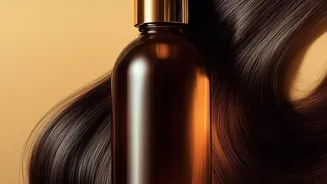
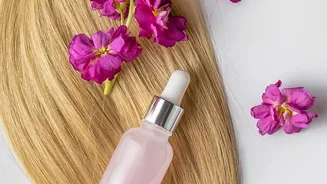
Knowing which oil to choose is crucial. Heavy oils, often thick in consistency, include castor oil, olive oil, and sometimes even coconut oil, especially if it's un-fractionated. These are best used sparingly, if at all, during this transitional time. Lighter oils, on the other hand, are absorbed more easily without leaving a greasy film. Excellent lightweight options include argan oil, jojoba oil, grapeseed oil, and almond oil. Jojoba oil is technically a liquid wax very similar to our skin's natural sebum, making it a great choice for balancing the scalp. Argan oil is another favourite for adding shine and taming frizz on the hair lengths without weighing them down.
The Right Way to Oil Your Scalp and Hair
The key to post-monsoon oiling is 'less is more'. If you choose to oil, opt for a lightweight formula and apply it correctly. Focus the application on the mid_lengths and ends of your hair, which are often the driest parts. If you apply it to the scalp, use only a small amount and gently massage it in to boost circulation rather than drenching the roots. Avoid leaving oil on for extended periods, like overnight. A pre_shampoo treatment for 30_60 minutes is often sufficient to provide nourishment without clogging follicles. Always follow up with a thorough but gentle cleanse to ensure no residue is left behind.
Beyond Oiling: A Holistic Transition
Adjusting your oiling routine is just one part of the transition. Start your post_monsoon reset with a clarifying shampoo to remove months of accumulated sweat, oil, and product buildup. Do this once, then switch to a gentle, sulphate_free shampoo for regular use to avoid stripping the scalp, which can cause rebound oiliness. Follow every wash with a hydrating conditioner, focusing only on the lengths. Incorporate a weekly hydrating hair mask to restore moisture to the hair shaft and combat any lingering frizz. Finally, ensure your hair is completely dry before tying it up or going to sleep to prevent creating a damp environment that invites fungal issues.