





A Universe of New Policies
The primary catalyst for this investment boom is a radical shift in government policy. For decades, the Indian Space Research Organisation (ISRO) was the sole custodian of India's space ambitions. The landscape changed dramatically with the introduction
of the Indian Space Policy in 2023. This landmark policy framework officially opened the doors for private companies to participate in end-to-end space activities—from building satellites and launch vehicles to operating ground stations and providing space-based services. To oversee this transition, the government established the Indian National Space Promotion and Authorisation Centre (IN-SPACe) in 2020. IN-SPACe acts as a single-window agency, streamlining approvals and facilitating collaboration between private players and ISRO. This clear regulatory environment has given investors the confidence to back ambitious projects, transforming a government-led program into a dynamic, commercial ecosystem. Liberalised Foreign Direct Investment (FDI) norms, allowing up to 74% automatic investment in satellite manufacturing, have further sweetened the deal.
ISRO's New Role as an Enabler
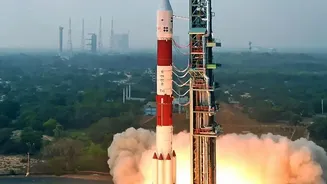
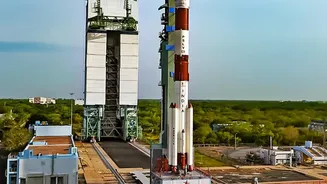
Instead of being displaced, ISRO's role is evolving. The organisation is transitioning from being the manufacturer and operator of everything space-related to becoming a mentor and R&D powerhouse. By transferring mature technologies, like its reliable Small Satellite Launch Vehicle (SSLV), to the private sector, ISRO is freeing itself up to focus on deep-space exploration, advanced research, and national security missions. This symbiotic relationship allows private firms to build upon decades of public investment and expertise. Startups can now access ISRO's world-class testing facilities and tap into a deep well of scientific talent, significantly lowering the barriers to entry in a capital-intensive industry. This strategic handover of operational activities ensures that ISRO continues to push the frontiers of science while private companies drive commercial growth and scale.
The Rise of the 'Astropreneurs'
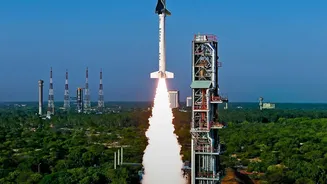
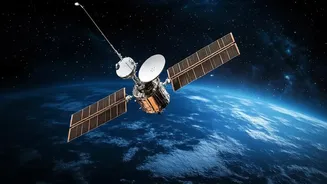
The policy reforms have unleashed a wave of entrepreneurship. From just one space startup in 2014, India now has more than 400. Companies like Skyroot Aerospace, Agnikul Cosmos, and Pixxel are becoming household names. Skyroot made history in July 2026 by becoming the first private Indian company to launch a rocket, Vikram-1, into orbit. Agnikul has pioneered 3D-printed rocket engines, while Pixxel is deploying a constellation of hyperspectral earth-observation satellites. This new generation of 'astropreneurs' is attracting significant funding, with investments in the sector crossing $500 million. These startups are not just launching rockets; they are building the entire value chain, from satellite manufacturing to downstream data analytics, creating a resilient and diversified space economy.
Frugal Engineering and the Downstream Gold Rush
While some recent studies have questioned the cost-effectiveness of India's current sovereign launches compared to global players like SpaceX, India's reputation for 'frugal engineering' remains a powerful asset for the private sector. Startups are leveraging advanced manufacturing techniques like 3D printing to drastically reduce costs. The real economic opportunity, however, may lie in the downstream applications of space technology. The market for satellite-based services—including high-speed communication, earth observation data for agriculture and climate monitoring, and navigation services—is enormous. Reports have identified over 200 use cases, from disaster management to urban planning. This downstream segment is projected to be a major driver of growth, transforming satellite data into actionable intelligence for various industries and expanding India's role from a launch provider to a full-stack space solutions hub.