


The Rainy Season Immunity Challenge
The monsoon season, while a relief from the summer heat, creates an environment where viruses and bacteria thrive. Increased humidity and fluctuating temperatures can weaken our immune system, making us more susceptible to colds, flu, and stomach bugs.
This is where iron becomes a critical player in our body's defence force. Iron is essential for producing haemoglobin, the protein in red blood cells that transports oxygen throughout the body. Without enough oxygen, our cells can't function optimally, leading to fatigue and a weakened immune response. A strong iron supply ensures your immune cells are well-equipped and energised to fight off the pathogens that are more prevalent during this season.
The Iron-Dairy Conflict Explained
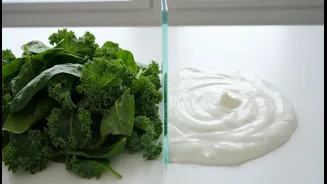
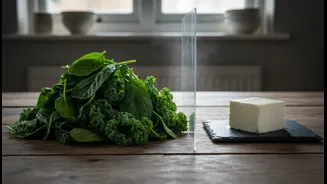
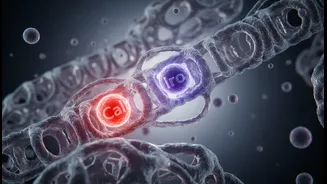
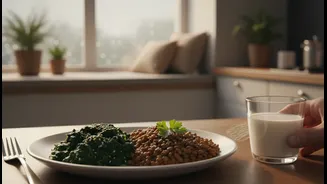
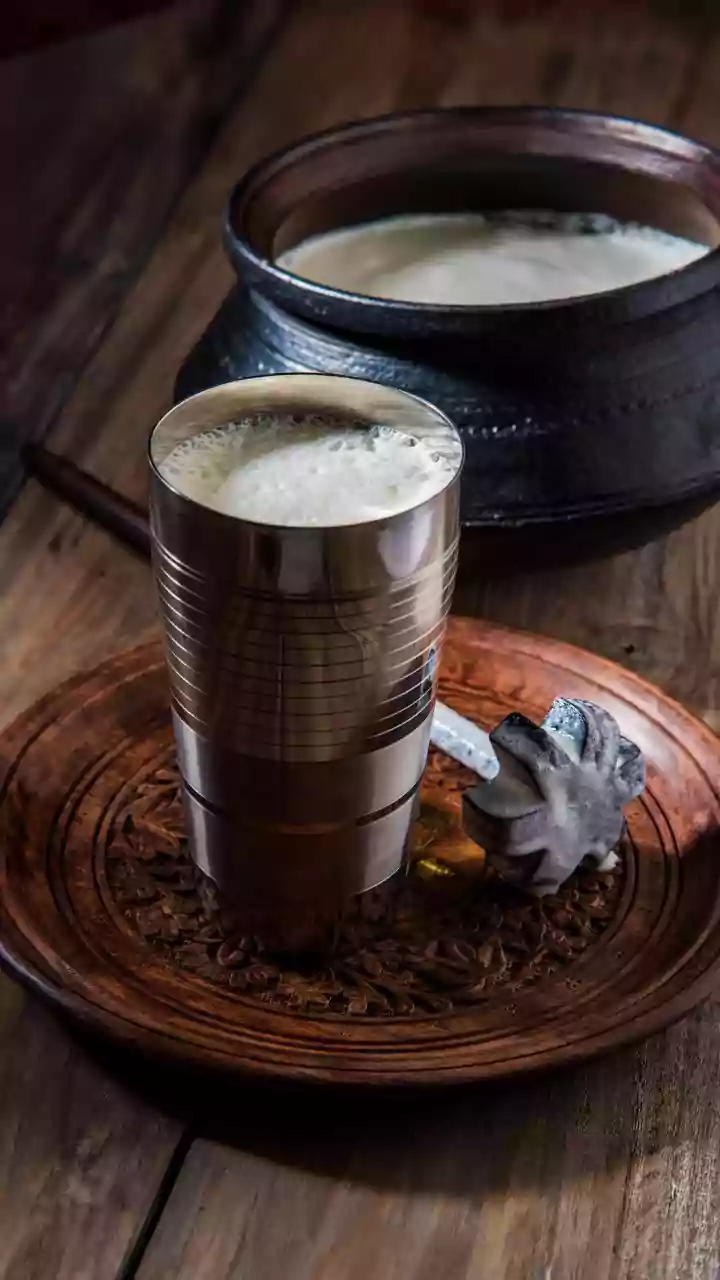
Here is the core of the issue: calcium, which is abundant in dairy products like milk, cheese, and yogurt, can significantly inhibit iron absorption. Think of it like a competition. Calcium and iron compete for the same absorption pathways in your gut. When you consume them together in a single meal, calcium often wins, meaning less iron gets into your bloodstream. Studies have shown that adding dairy to a meal can reduce iron absorption by as much as 50-60%. This applies to both heme iron (from animal sources) and non-heme iron (from plant sources), though plant-based iron is more heavily affected. So, that palak paneer or glass of milk with your iron-rich meal might be less helpful than you think.
High-Iron Heroes For Your Plate
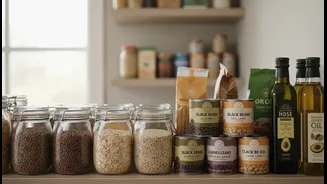
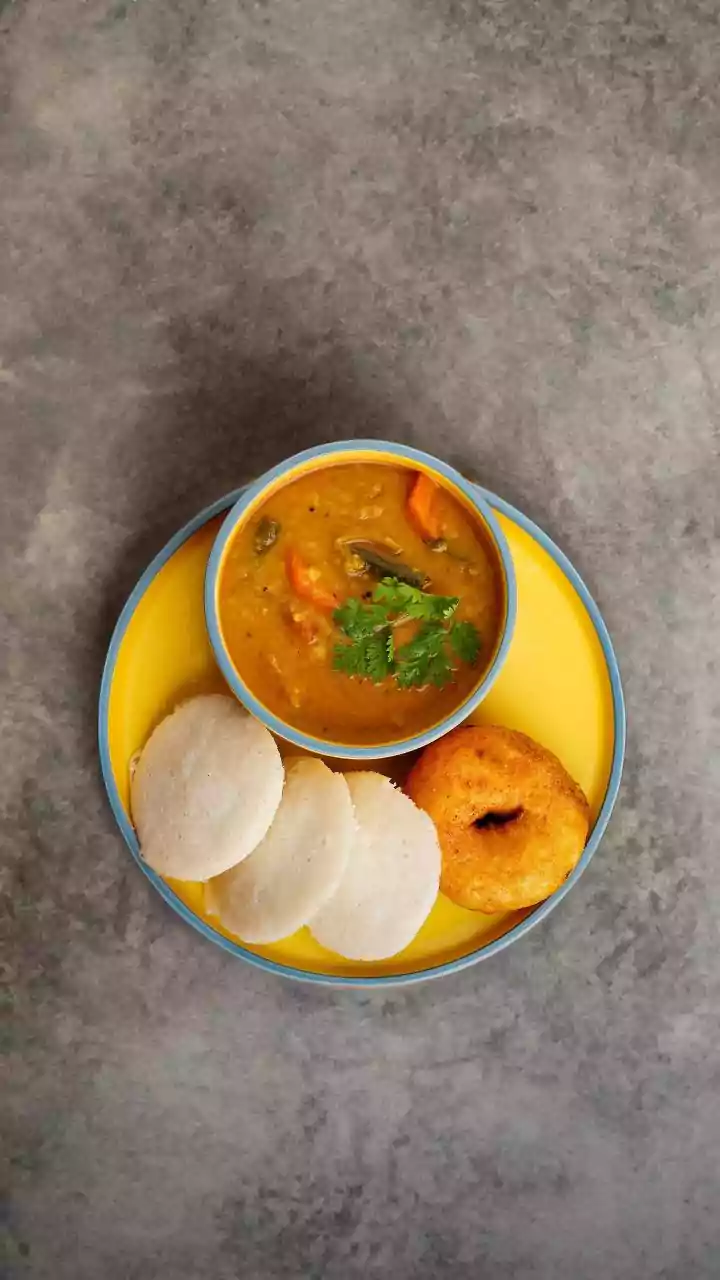
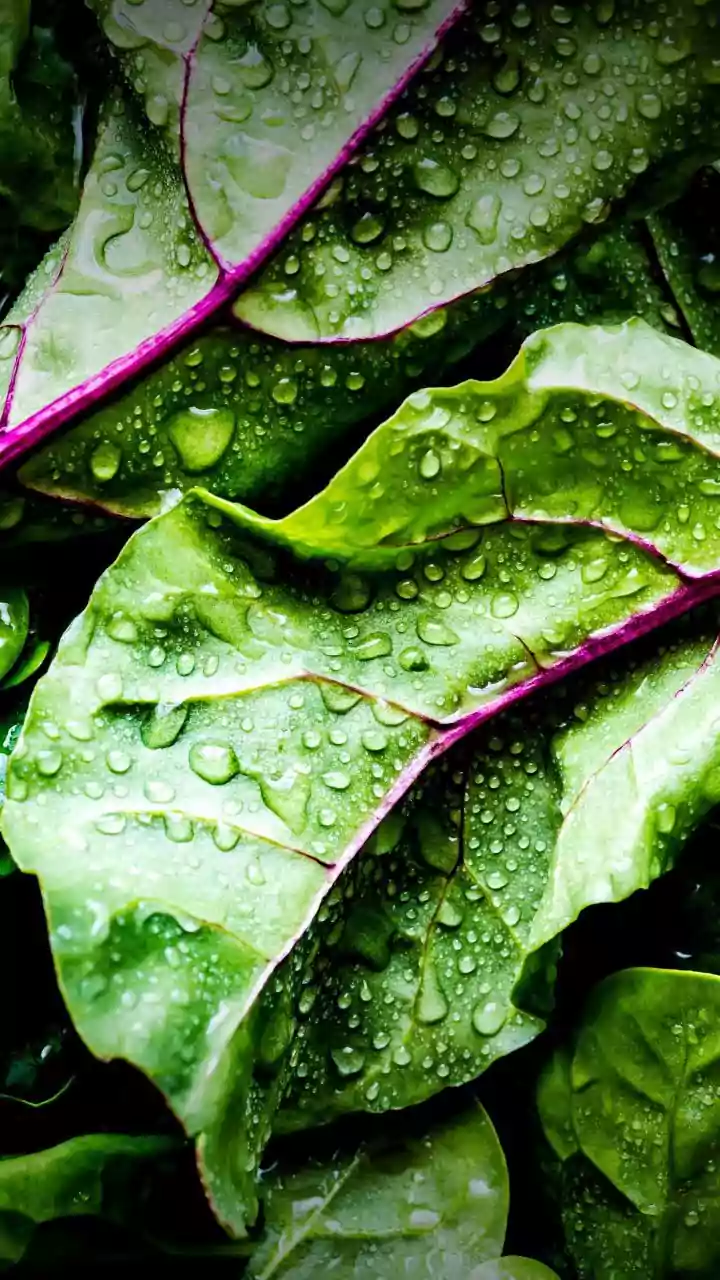
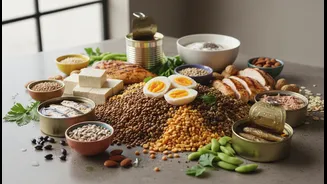
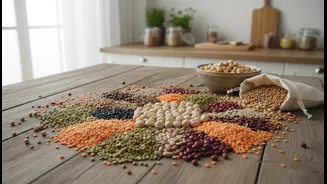
India's bounty of plant-based foods offers numerous excellent sources of iron. To build your reserves, focus on incorporating lentils (dal), chickpeas (chana), kidney beans (rajma), and dark leafy greens like spinach into your diet. Don't forget about seeds and nuts; pumpkin seeds, sesame seeds, and almonds are particularly rich in this vital mineral. Millets like bajra and ragi are also fantastic iron-rich grains to include in your rotis or dosas. These foods not only provide iron but also come packed with fibre, protein, and other essential nutrients that support overall health.
The Power of Vitamin C
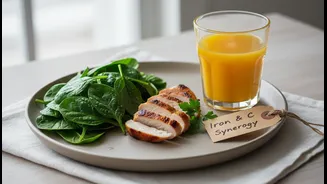
If calcium is iron's antagonist, Vitamin C is its best friend. Vitamin C dramatically enhances the absorption of non-heme (plant-based) iron. It works by converting iron into a form that is more easily absorbed by the body. The solution is simple and delicious: pair your iron-rich foods with a source of Vitamin C in the same meal. Squeeze lemon juice over your dal and sabzi, add tomatoes to your curries, or have a side of a salad with bell peppers. A small glass of amla or orange juice with your meal can also work wonders. This simple trick can help counteract inhibitors and ensure you get the most out of your food.
Rethinking Your Meal Combinations
This doesn't mean you have to banish dairy from your diet. The key is timing. Instead of having dahi or paneer with your main, iron-focused meals, enjoy them as a separate snack. For instance, have your lentil soup with a squeeze of lemon for lunch, and then enjoy a bowl of yogurt a few hours later. For breakfast, instead of milk with an iron-fortified cereal, you could have the cereal with a handful of berries (for Vitamin C) and save the milk for your mid-morning tea or coffee. Spacing out your calcium and iron intake by at least an hour or two allows your body to absorb each nutrient more effectively.