





What is Modular Meal Planning?
Forget cooking entire dishes in advance. Modular meal planning is about preparing foundational components—or 'modules'—that can be mixed and matched to create different meals. Think of it like having a set of culinary building blocks. Instead of making
dal makhani and chana masala from scratch on different days, you prepare a large batch of a common base gravy. This approach shifts the work from last-minute chaos to smart, upfront preparation, giving you flexibility and variety without having to cook every single meal from start to finish. It’s the secret to a relaxed host and a dynamic menu.
The Building Blocks of a Festive Indian Menu
A successful modular plan for an Indian festive spread relies on a few key categories. The most important is the base gravy. A classic onion-tomato bhuna masala or a creamy makhani base can be made in a large batch and stored. Next, prepare your proteins: marinate cubes of paneer, boil chickpeas or rajma, or prep chicken. Have your carbs ready by kneading dough for puris or rotis, which can be refrigerated. Finally, create 'flavour boosters'—think tangy tamarind chutney, fresh mint chutney, or a cooling cucumber raita. These elements, prepared individually, are your arsenal for creating a feast on demand.
From Modules to Magic: A Mix-and-Match Guide
Here's where the strategy pays off. That one large batch of onion-tomato gravy can become several different dishes with minimal extra work. On day one, add boiled chickpeas and chole masala to a portion of the gravy for a classic Chole. The next day, use another portion of the same gravy, add paneer and kasuri methi for a quick Paneer Masala. For a non-vegetarian option, the same base works wonderfully for a quick egg curry. Your makhani gravy base can be used for Paneer Butter Masala one night and a rich Dal Makhani the next. The pre-made chutneys can accompany snacks like samosas or be used to assemble quick chaat dishes. This system allows you to serve a completely different menu each day without starting from zero.
A Sample 3-Day Festive Plan in Action
Imagine you have prepped: one onion-tomato gravy, one makhani gravy, marinated paneer, boiled potatoes and chickpeas, and puri dough. Day 1: Serve Aloo Matar using the onion-tomato gravy, along with hot puris and a simple raita. Day 2: Create a richer meal with Paneer Butter Masala using your makhani base, served with jeera rice that you cook fresh. You can also assemble a quick Papdi Chaat using the boiled potatoes and chickpeas. Day 3: Use the last of your onion-tomato gravy to make a hearty Chana Masala. Pair it with store-bought naan or rotis for an effortless final festive meal. Each day features a distinct main course, yet the core cooking was done just once.
Smart Prep and Storage Tips
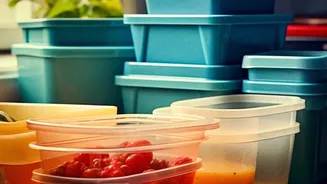
Proper storage is crucial for a successful modular plan. Cool your base gravies completely before storing them. They can be kept in airtight containers in the refrigerator for up to four days or frozen in portions for several weeks. Ginger-garlic paste, a staple in Indian cooking, can also be made in a large batch and frozen in ice cube trays for easy use. Chapati or puri dough can be stored in an airtight container in the fridge for a couple of days; a light coating of oil can prevent it from drying out. Chopped vegetables like onions, carrots, and beans can be stored in zip-lock bags, ready to be used in a stir-fry, pulao, or sabzi.