



A Universe in High Definition
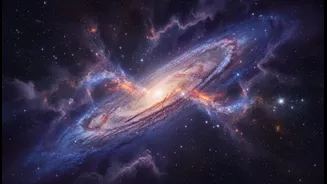
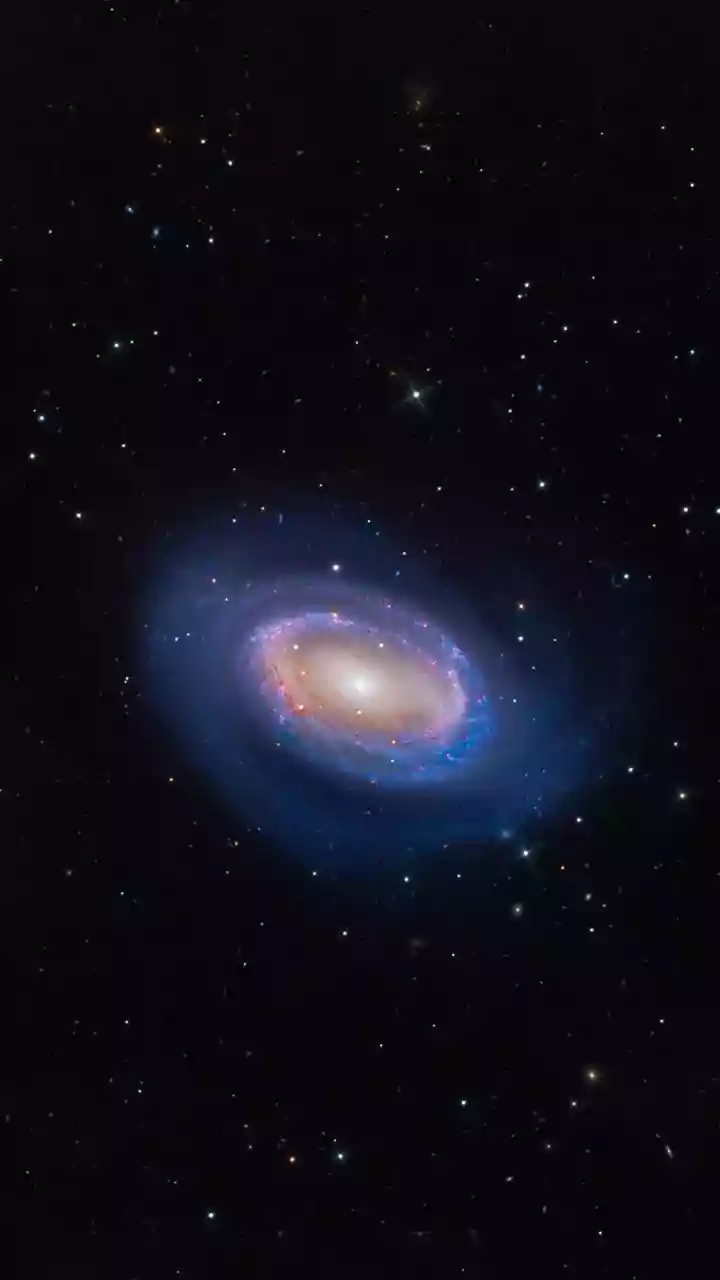
In early July 2026, the space agencies unveiled breathtaking new views of the cosmos, marking the fourth anniversary of the James Webb Space Telescope's (JWST) science operations. The star of the show was Centaurus A, a galaxy located 11 million light-years
away. Previous images struggled to pierce the thick lanes of cosmic dust that shrouded its core. But Webb's powerful infrared instruments cut through the haze, revealing a densely packed tapestry of millions of individual stars. What once looked like grainy noise is now identifiable as a field of stars, each a data point in the galaxy's history. This unprecedented clarity transforms a familiar celestial object into something far more complex and active than astronomers had ever seen.
More Than Just a Pretty Picture
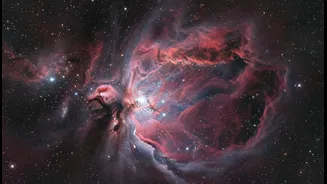
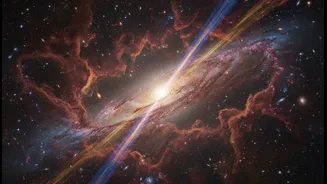
These images are far more than cosmic art; they are dense layers of scientific data. Telescopes like the JWST and ESA's Euclid don't see light like the human eye. They capture images through various filters, each sensitive to a specific wavelength of infrared light. By assigning colours to these different black-and-white layers, scientists can highlight features that would otherwise be invisible. For example, Webb's mid-infrared vision makes the dust structures within Centaurus A glow, revealing perplexing shapes that challenge current models. Furthermore, by using spectroscopy to analyse how light moves within the galaxy, astronomers can measure the flow of gas being pushed around by the supermassive black hole at its centre, helping to solve the mystery of how black holes influence their galactic hosts.
The 'Easy Button' for Astronomers
So, how does this make space exploration 'easier'? The answer is speed and accuracy. Previously, identifying promising research targets was a painstaking process of sifting through blurry or incomplete data. Now, the remarkable resolution of these new telescopes acts as a powerful shortcut. Astronomers can study Centaurus A star by star, a process described as 'galactic archaeology' that reconstructs when different events, like bursts of star formation, occurred. In another major advance, the ESA's Euclid telescope recently discovered 31 new quasars, including the most ancient one ever found, in just over a year. This task previously took more than a decade to find just ten. This ability to rapidly find and confirm distant objects allows scientists to build better models of the early universe and the distribution of dark matter.
Collaboration is the New Frontier
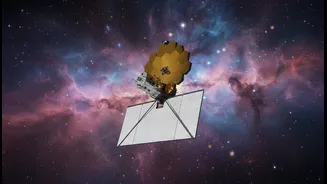
These breakthroughs aren't the product of a single telescope or agency but a testament to international collaboration. The JWST itself is a joint program between NASA, the European Space Agency (ESA), and the Canadian Space Agency (CSA). ESA contributed key scientific instruments and the launch service for the telescope. Increasingly, astronomers are combining data from multiple observatories, like Webb and Hubble, to create more comprehensive views of celestial objects. This data fusion allows scientists to study phenomena across their entire lifecycle, from dust-shrouded newborn stars visible only to Webb, to older, exposed stars seen by Hubble. This collaborative approach pools resources and expertise, enabling more ambitious missions than any single nation could undertake.
What These Discoveries Unlock
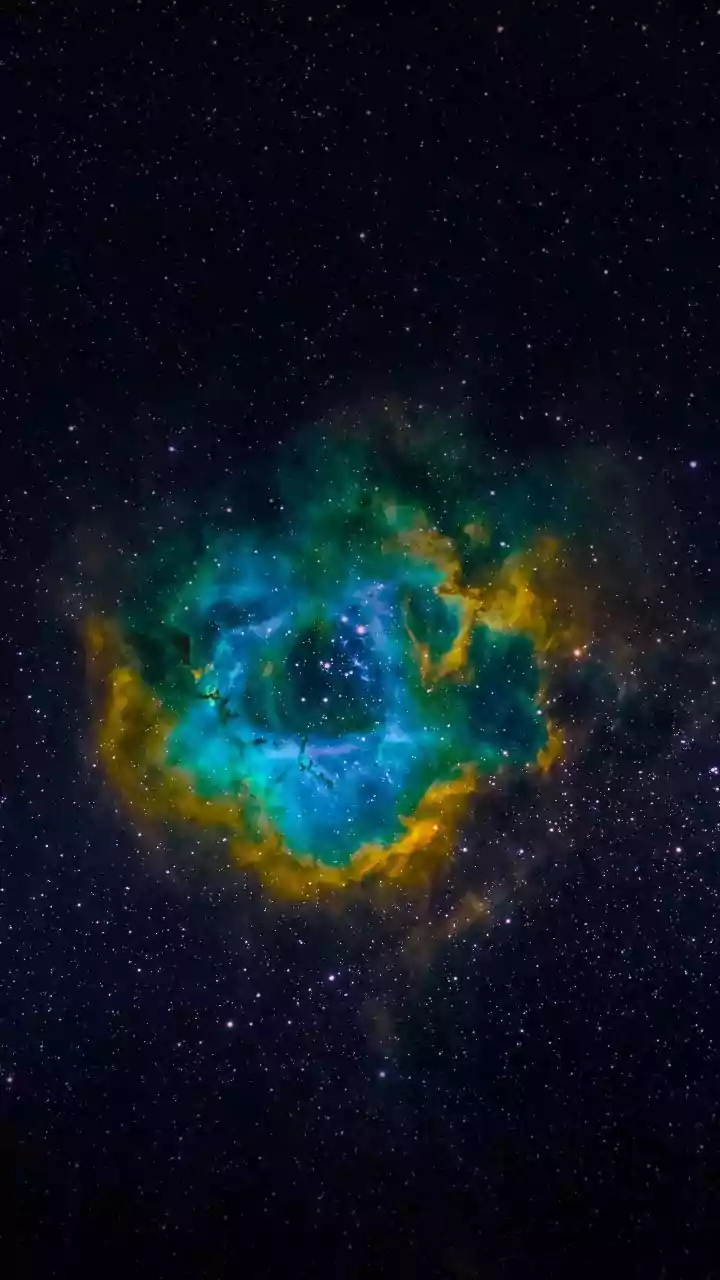
The latest findings are already opening new avenues of inquiry. The discovery of a record-breaking ancient quasar from when the universe was just 670 million years old challenges scientists to explain how such massive black holes could form so quickly. The detailed images of star-forming regions are reshaping our understanding of how galaxies evolve and even how planetary systems develop. With the ability to peer into the dusty cradles of stars, scientists can now directly connect the dots between star formation, stellar feedback, and the early life of planets. These new tools are not just providing answers; they are helping astronomers ask better, more refined questions, setting the stage for the next wave of cosmic discovery.