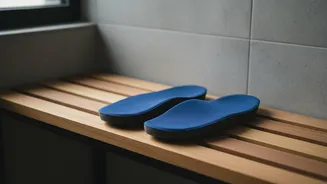







The Sponge Inside Your Shoe
Think of your shoe's insole as a high-tech sponge. Unlike the more resilient outer materials of a shoe, insoles are specifically designed for cushioning and support, often using porous materials like open-cell foam, gel, or memory foam. While excellent
for comfort, these materials are incredibly absorbent. When your shoe gets soaked, the insole soaks up and holds onto a disproportionate amount of water, trapping it deep within its structure long after the shoe's exterior feels dry. Leaving a waterlogged insole inside a shoe is like leaving a wet sponge in a sealed container—it prevents the entire shoe from ever drying properly and creates a host of other problems.
The Hidden Dangers of Dampness
A damp insole isn't just uncomfortable; it's a perfect breeding ground for microbes. The dark, warm, and moist environment inside a wet shoe is ideal for the growth of bacteria and fungi. This is what causes that persistent, unpleasant odour that never seems to wash out. More seriously, these conditions can lead to common foot ailments like athlete's foot, a contagious fungal infection that causes itching, redness, and peeling skin. Prolonged exposure to moisture also softens the skin on your feet, making it more vulnerable to painful blisters and cracks. Furthermore, the trapped moisture can degrade the glues and materials of the insole itself, causing it to lose its supportive shape and cushioning, which ultimately shortens the life of your expensive footwear.
The Correct Drying Method: A Step-by-Step Guide
Properly drying your insoles is simple but essential. Following these steps ensures both your feet and your shoes stay healthy. First, as soon as you take off your wet shoes, remove the insoles. If they are completely saturated, gently press them with an absorbent towel to remove excess water, but avoid twisting or wringing them, which can damage their structure. Next, place the insoles and the shoes in a well-ventilated area to air-dry. Ensure there is good air circulation, perhaps near an open window or a fan, but keep them out of direct sunlight, which can make materials like leather brittle. It is crucial to let them dry separately to allow maximum airflow to both components.
Common Mistakes to Avoid
In a rush to dry your shoes, it’s easy to make mistakes that can cause permanent damage. The biggest mistake is applying direct, high heat. Never place your shoes or insoles on a radiator, near a heater, or use a hairdryer on a high setting. Intense heat can warp the foam, melt gels, dissolve the adhesives holding the shoe together, and cause leather to crack irreparably. Tumble dryers are also off-limits; the combination of heat and tumbling can deform and destroy your footwear. Another error is forgetting to loosen the laces and open up the shoe's tongue, which traps moisture inside and slows down drying significantly.
Tips for Faster, Safer Drying
If you need to speed up the process, there are safe ways to do so. After removing the insoles, loosely stuffing the shoes with crumpled newspaper is a classic and effective method; the paper absorbs a great deal of moisture. Just be sure to replace the newspaper every few hours as it becomes saturated. For light-coloured shoe interiors, use unprinted paper to avoid ink transfer. Placing both the shoes and the separated insoles in front of a room fan on a cool setting will dramatically increase air circulation and reduce drying time without the risks of heat damage. For those who frequently deal with wet shoes, investing in a pair of cedar shoe trees can also be beneficial, as they absorb moisture while helping the shoe maintain its shape.