


A World Without Weather
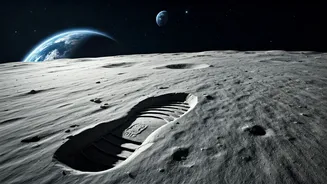
On Earth, a footprint left in the sand is a fleeting thing. The tide will wash it away, or the wind will blow it smooth. Our planet is a dynamic, active place, constantly being reshaped by its atmosphere and water. The Moon has neither. With virtually
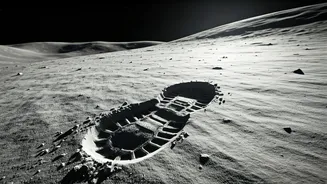
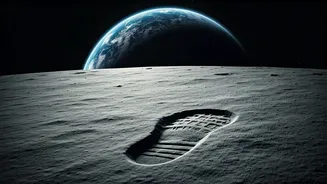
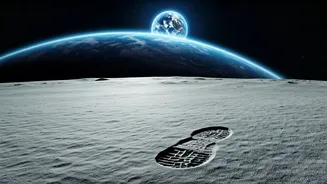
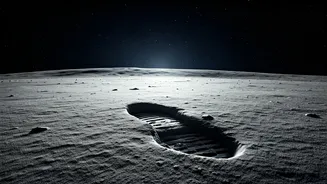
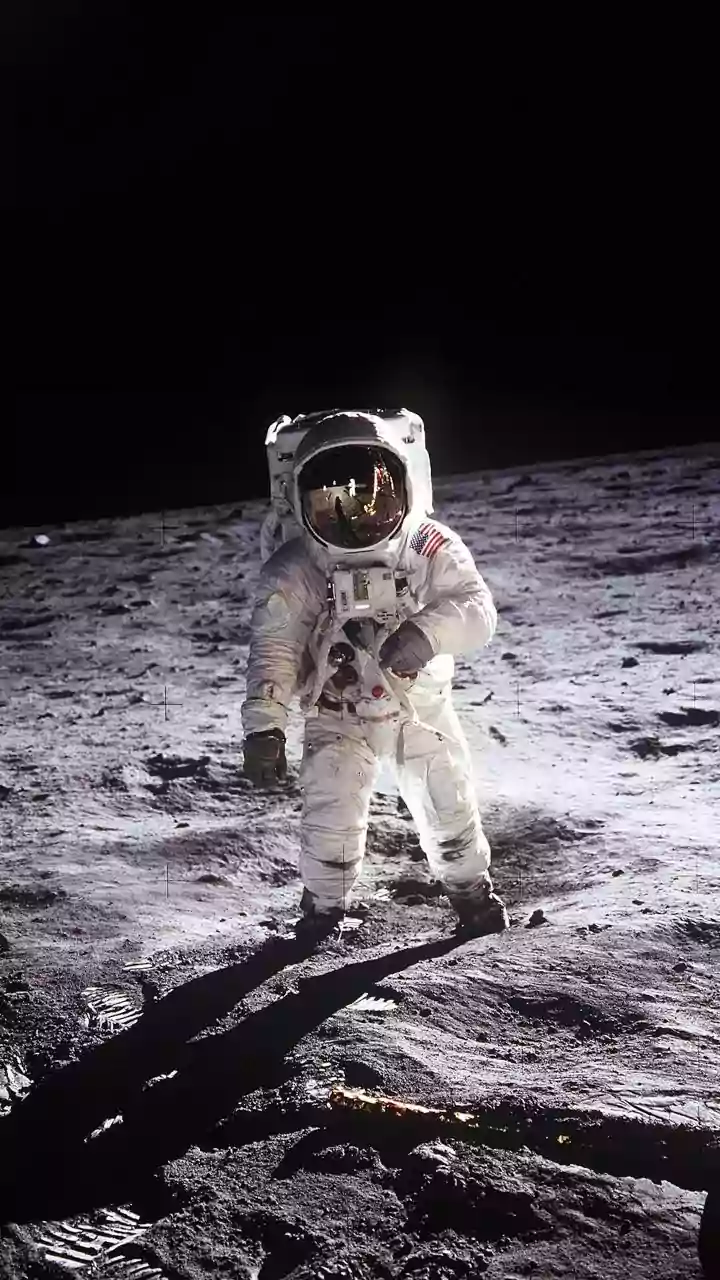
no atmosphere, there is no wind to scour its surface, no rain to wash away impressions, and no weather systems to speak of. The Moon is a geologically quiet world. This profound stillness is the primary reason why the marks left by the Apollo astronauts in the late 1960s and early 1970s are still there today, looking almost as fresh as the moment they were made.
The Peculiar Nature of Lunar Soil
The 'soil' on the Moon is not like the soil on Earth. It's called regolith, a blanket of fine, grey dust and jagged rock fragments created over billions of years by the constant impact of meteorites. Unlike terrestrial soil, which is rounded and weathered by wind and water, lunar regolith particles are sharp, angular, and abrasive. They haven't been smoothed by the erosional processes we're familiar with. When an astronaut’s boot pressed into this material, these jagged particles compacted and interlocked, much like damp sand, creating a surprisingly stable and well-defined impression. The lack of moisture or organic material means there’s nothing to cause the print to decay or decompose from within.
The Slow-Motion Eraser
While the headline suggests preservation across 'endless epochs', the footprints are not truly permanent. The Moon has a slow-acting but relentless force of erosion: micrometeorite bombardment. The same process that created the regolith in the first place is still happening. Every day, the lunar surface is pelted by a constant shower of minuscule dust particles and tiny rocks travelling at incredible speeds. This is often described as 'space weathering' or 'gardening'. Each tiny impact churns the very top layer of the regolith. It’s an incredibly slow process, like a sandblaster operating at a microscopic level over millions of years. Eventually, this will gently erase the footprints, but not on any human timescale.