






Not Your Average Monsoon
This isn't just another rainy season. Across the country, from Kerala to Uttarakhand, the India Meteorological Department (IMD) has issued warnings for heavy to very heavy rainfall throughout the first weeks of August. Kerala, for example, received 149%
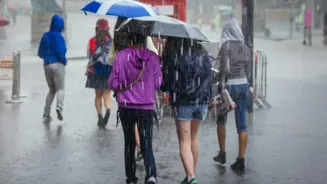
excess rainfall in the first five days of the month alone. This intensity, described in some reports as a "super-charged" monsoon, is overwhelming decades-old urban drainage systems. The result is predictable chaos: severe waterlogging, gridlocked traffic, and widespread disruption that turns a simple commute into a significant challenge.
The Last-Mile Mayhem
The real test begins when you step off the metro or bus and need to cover that last kilometre or two home. During a downpour, this final leg of the journey becomes fraught with risk. Auto-rickshaws and cycle rickshaws become scarce, their drivers often unwilling to navigate flooded, pothole-ridden streets. The few that are available may demand exorbitant fares. Ride-hailing apps, while an option, often see demand skyrocket, leading to surge pricing that can be several times the normal rate. More importantly, the desperation to get home can lead commuters to accept rides from unverified private operators, creating a significant safety blind spot.
What 'Verified Transport' Really Means
In the context of a torrential downpour, 'verified' isn't just a buzzword; it's a crucial safety layer. A verified service, like those offered by established ride-hailing platforms, provides a digital paper trail and a suite of safety features that informal transport options lack. This includes a registered driver and vehicle, GPS tracking of the entire journey, a shareable trip status for your family and friends, and an in-app SOS button for emergencies. Some companies are even rolling out features like in-cab video and audio recording, PIN verification to ensure you're in the right car, and direct lines to ambulance services in case of an accident. Choosing a verified ride means you aren't just getting from Point A to B; you're doing so within a system designed for accountability.
Your Smartest Choices in a Downpour
When the rain is relentless, your best defence is a good plan. Instead of waiting until you're stranded, it pays to be proactive. First, ensure you have at least two different ride-hailing apps installed and set up on your phone, as availability can vary. Before leaving the office or station, check the estimated fare and surge levels on each. Consider using features like scheduling a ride in advance if available. For shorter distances, look for official metro feeder services, which often run on fixed, predictable routes that are less susceptible to opportunistic pricing. If travelling with a group, booking a larger, single vehicle is often safer and more economical than splitting up into multiple unverified autos.
Preparation Is Your Best Umbrella
Ultimately, navigating the monsoon commute safely is about anticipating the challenges. Keep your phone fully charged and carry a power bank, as you may need your device for booking rides and communication. Always share your live trip details with a trusted contact, a standard feature on most ride-hailing apps. Check weather alerts and traffic conditions on mapping services before you decide to travel. If authorities issue warnings to stay home, it's wise to listen. During these intense monsoon spells, delaying a trip by a few hours can mean the difference between a frustrating, waterlogged ordeal and a safe, dry journey home.