


Understanding the 'Ghotala'
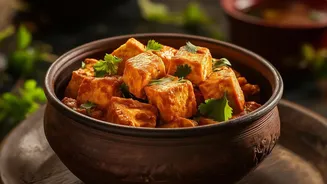
The name 'Ghotala' literally translates to 'scam' or 'mishmash' in Gujarati, a playful nod to the way the ingredients are mixed and mashed together into a glorious, unified mess. It's a vegetarian take on the popular Egg Ghotala, swapping eggs for generous
amounts of paneer. The dish resembles a cross between Paneer Bhurji and Pav Bhaji, combining the grated texture of paneer with a rich, tomato-based gravy that's perfect for mopping up with bread. The key is in the mashing, which breaks down the vegetables and helps them meld with the spices and paneer.
The Essential Ingredients
At its heart, Paneer Ghotala is made from everyday pantry staples. For a serving of 2-3 people, you will need approximately 200-250 grams of paneer. It's best to use fresh, soft malai paneer for the creamiest texture. For the gravy, you'll need one large onion, two or three ripe tomatoes, and one capsicum, all finely chopped. The aromatic base is built with ginger-garlic paste, green chillies, and a blend of spices: turmeric, red chilli powder, coriander powder, cumin seeds, and garam masala. Many street vendors use Pav Bhaji masala, which is a key ingredient for achieving that authentic flavour. Finally, butter and optional grated cheese add the signature richness.
Step 1: Creating the Masala Base
Begin by heating oil and a knob of butter in a kadhai or wide pan over medium heat. Once the cumin seeds splutter, add the finely chopped onions and sauté until they become soft and translucent. Next, add the ginger-garlic paste and chopped green chillies, and cook for another minute until the raw smell disappears. Now it's time for the tomatoes and capsicum. Cook them until they become soft and mushy. A good tip is to use a potato masher at this stage to break down the vegetables into a thick, cohesive gravy. Once the vegetables are mashed, add your dry spice powders—turmeric, red chilli, coriander, and pav bhaji masala—and cook until the oil begins to separate from the masala.
Step 2: The Perfect Paneer Preparation
The texture of the paneer is crucial. For an authentic Ghotala, you should grate the paneer using the larger holes of a grater. This ensures the paneer mixes well with the gravy without turning into a complete paste, providing a satisfying texture in every bite. Crumbling it by hand is also a good alternative if you don't have a grater. Some recipes also suggest adding small, fried paneer cubes for textural contrast. Set your grated paneer aside; it will be added in the final stage of cooking.
Step 3: Bringing It All Together
Once your masala base is fragrant and cooked through, it’s time to add the star of the show. Add the grated paneer to the pan and mix it gently into the gravy. Add a splash of water, about half a cup, to adjust the consistency to your liking—it should be a thick, scoopable curry, not a dry scramble. Let it simmer on low heat for 3-4 minutes for the flavours to meld together. For that extra rich, street-style finish, stir in another dollop of butter and a generous amount of grated cheese, allowing it to melt into the ghotala. Garnish with freshly chopped coriander leaves before serving.
Serving and Final Tips
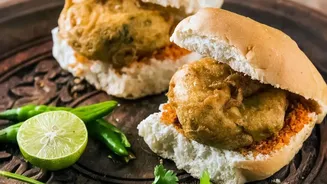
Paneer Ghotala is traditionally served piping hot with butter-toasted ladi pav. To prepare the pav, melt butter on a tawa, sprinkle a pinch of red chilli powder or pav bhaji masala, and toast the pav on both sides until lightly crisp. The dish also pairs wonderfully with roti, paratha, or even dosa. For the best results, always use fresh paneer and don't be shy with the butter. The richness is what makes this dish so indulgent and comforting. You can easily adjust the spice levels to suit your palate by increasing or decreasing the amount of green chillies and red chilli powder.