




Understanding Your Window's Light
Before you pick a plant, get to know your light. In India, a south-facing window receives the most intense, direct sunlight for the longest part of the day. This can be harsh and hot, especially in summer. An east-facing window gets bright, direct morning
sun that is gentler. A west-facing window receives the strong, hot afternoon sun. A north-facing window gets the least direct sun, offering cool, indirect light throughout the day. Understanding this basic map of sunlight in your home is the first step to choosing plants that will flourish rather than just survive.
The Cool, Gentle North
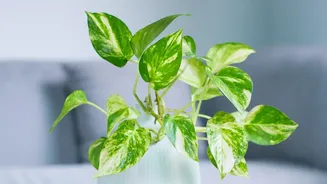
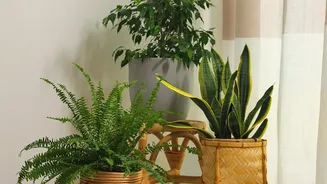
North-facing windows are a blessing for those who love lush, leafy foliage without the fuss. The light is indirect and consistent, which means you don't have to worry about scorched leaves. This is the ideal spot for many classic houseplants that are famously hard to kill. The Snake Plant, with its striking upright leaves, is practically indestructible and thrives in low light. Similarly, the ZZ Plant, with its glossy, waxy leaves, is a perfect companion for spaces that don't get much sun. The ever-popular Pothos (Money Plant) will happily trail from a shelf in a north-facing room, and the elegant Peace Lily can even produce its signature white spathes in these lower-light conditions.
The Bright and Intense South
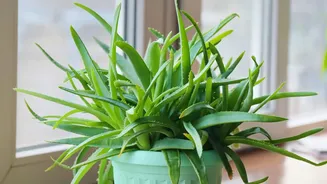
A south-facing window is a powerhouse of light and heat, which can be challenging but rewarding. This spot is reserved for true sun-lovers. While many common houseplants will burn here, certain varieties will thrive. Succulents like Aloe Vera and Jade Plants can handle the brightness, provided they are slowly accustomed to it. Some flowering plants, such as potted Hibiscus, can also work if you ensure they have enough water to cope with the heat. The key is to either choose plants built for desert-like conditions or to use sheer curtains to diffuse the intense afternoon sun, turning that harsh glare into usable bright, indirect light. Some hardy plants like Snake Plants and ZZ Plants can tolerate this exposure, but they may show signs of stress if the sun is too direct.
The Versatile East and West
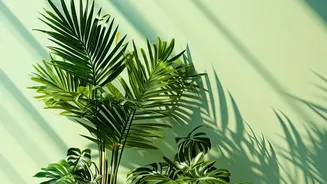
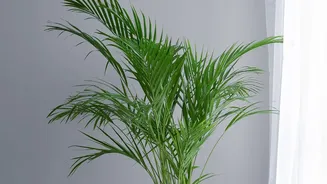
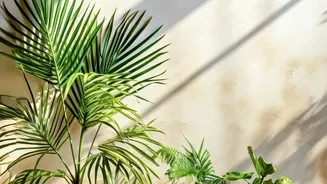
East and west-facing windows offer a happy medium. An east-facing window, with its gentle morning sun, is considered by many to be the perfect spot for a wide variety of houseplants. It provides enough light to encourage growth without the scorching intensity of the afternoon. Plants like the Fiddle Leaf Fig, Areca Palm, and various ferns do wonderfully here. A west-facing window gets the more intense afternoon sun, so it's suitable for plants that need a bit more of a light punch than what a north window offers, but can't handle a full southern exposure. Many plants that suit east-facing windows, like the Rubber Plant and Areca Palm, can also work in a west-facing spot, though you may need to pull them back from the glass during the peak heat of summer.
Beyond Just Light
While light is paramount, remember to consider other factors. Plants in sunnier, hotter spots will need more water than those in cooler, shadier corners. The soil for sun-loving plants like succulents needs to be very well-draining to prevent root rot. Don't be afraid to move your plants around as you learn their needs. A plant might be happy in one spot during the winter but need a less intense location during the harsh summer. Rotating your plants every few weeks also ensures they grow evenly instead of leaning towards the light source. Observing how your plant responds is the best way to become a confident plant parent.