



Beyond the Single Overhead Light
For many, home office lighting consists of a single overhead fixture that was never intended for focused work. This often leads to a space that is either too dim or too harsh, creating issues like headaches, eye strain, and a general sense of fatigue.
A well-lit workspace goes beyond basic illumination; it should be dynamic and tailored to your tasks. The secret is a strategy called layered lighting, which combines different types of light to create a balanced, comfortable, and highly functional environment. This approach ensures your space is ready for anything, from focused computer work to late-night reading.
The Three Layers of Lighting
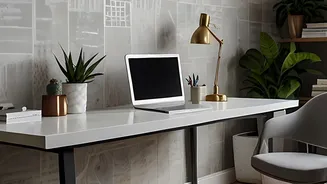
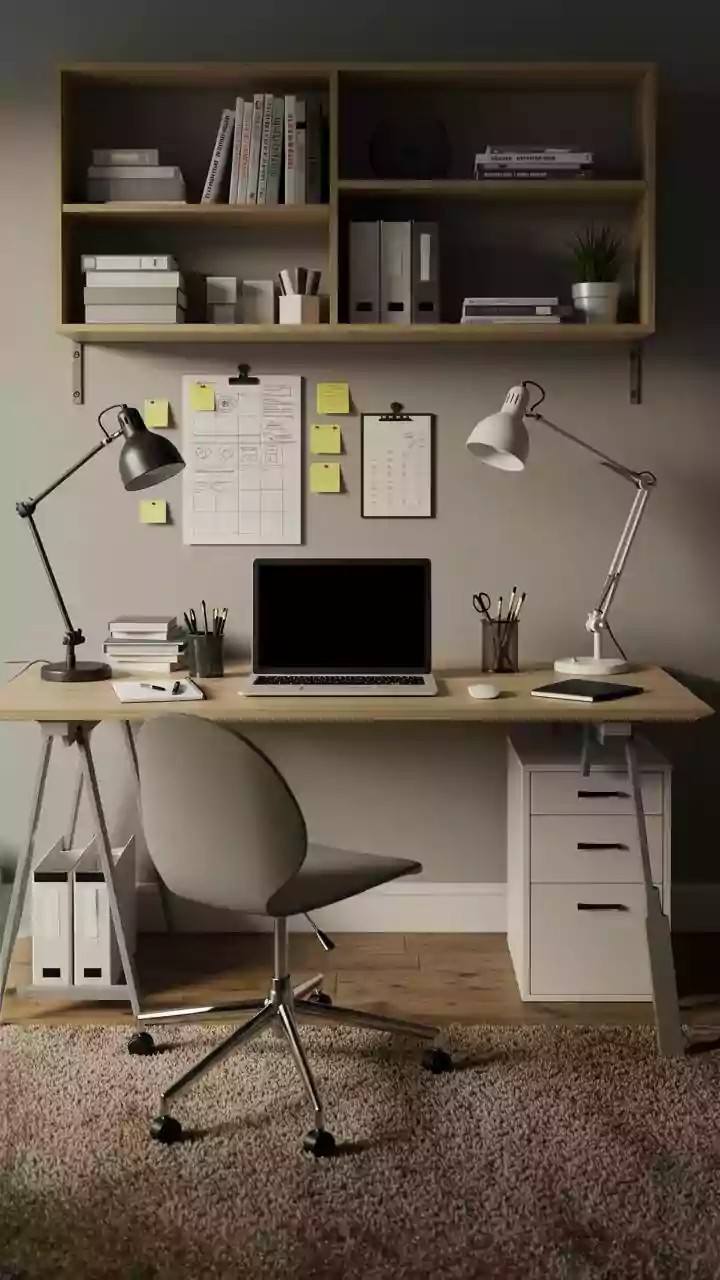
To properly light your workspace, you need to think in three layers: ambient, task, and accent. Ambient light is the room's general, overall illumination, typically from a ceiling fixture or floor lamp. Its job is to provide a comfortable base level of brightness across the entire space. Task lighting is more focused and is essential for specific activities like reading, writing, or computer work. Think of an adjustable desk lamp that directs light exactly where you need it, preventing shadows and reducing eye strain. Finally, accent lighting adds visual interest and depth. While not strictly essential for work, it can highlight features like a bookshelf or a piece of art, and it helps reduce the harsh contrast between your bright screen and a dark room, which can also cause eye fatigue.
Finding the Right Color Temperature
Not all light is created equal. The colour of light, measured in Kelvin (K), has a significant impact on your mood and alertness. Light in the 2700K-3000K range is considered 'warm white' and promotes relaxation, making it great for living rooms or break areas. For a home office where focus is key, you should aim for a cooler, more neutral white light between 4000K and 5000K. This range mimics natural daylight, which helps keep you alert and boosts productivity without feeling sterile or overly clinical. Many smart bulbs now allow you to adjust the colour temperature throughout the day, using cooler tones for focus and warmer tones to wind down.
Positioning Is Everything
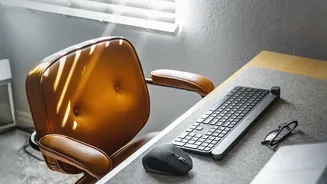
Once you have the right lights, where you put them is critical. The primary goal is to illuminate your work area without creating distracting glare or shadows. A common mistake is placing your desk with your back to a window; this creates a perfect reflection on your computer screen. Facing a window can also be problematic due to direct sunlight. The ideal setup is to place your desk perpendicular to a window, allowing natural light to come in from the side. For your task lamp, position it to the side of your work area, not directly in front or behind you, to cast light onto your documents or keyboard without creating glare on your monitor.
Harnessing Natural Light
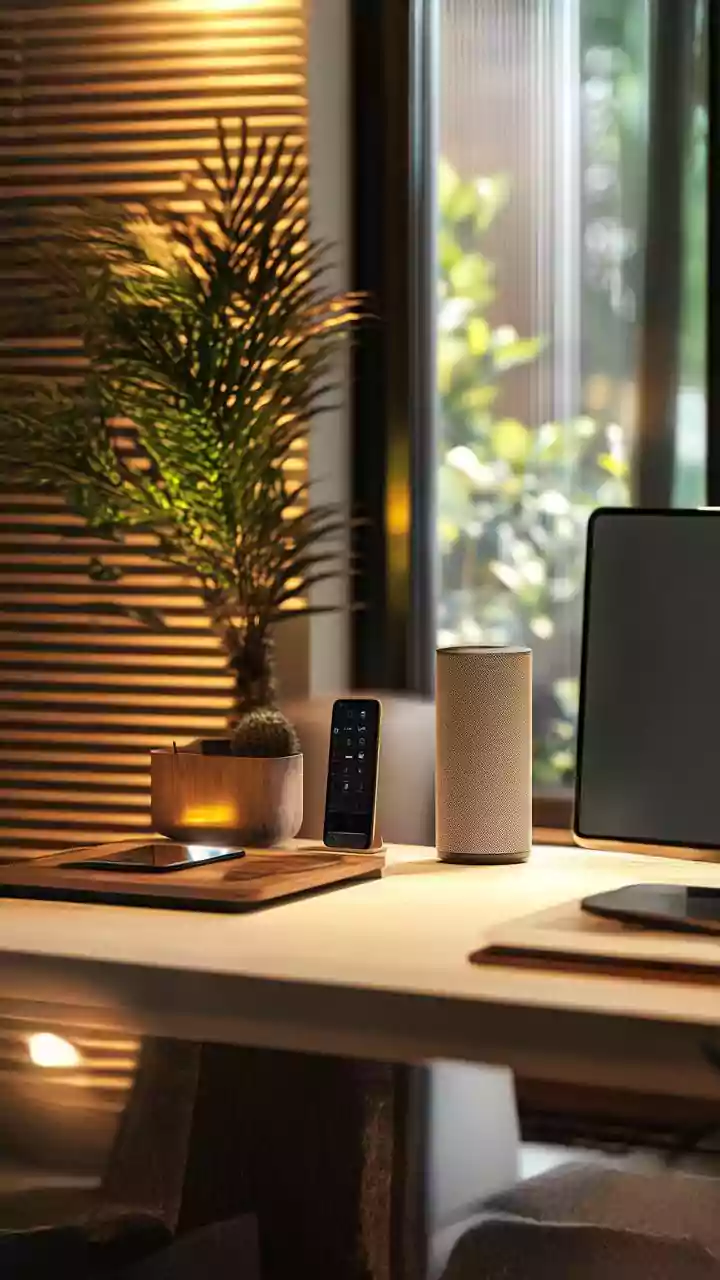
Whenever possible, make natural light your primary source of illumination. Exposure to daylight helps regulate your body's internal clock, also known as its circadian rhythm, which can improve your mood, alertness, and even your sleep quality. If you have a window in your office, keep the blinds open to let in as much light as possible. If direct sun is causing too much glare, sheer curtains can help diffuse the light while still keeping the room bright. Taking short breaks to step outside or near a window can also give your eyes a much-needed reset from screen time.