





The Unique Risks of Monsoon Travel
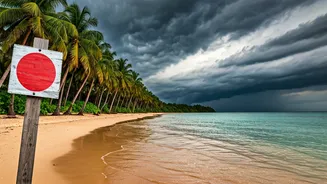
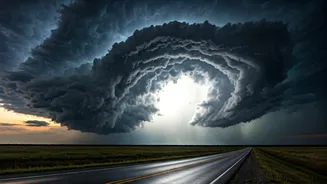
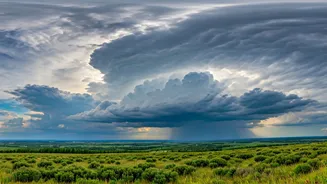
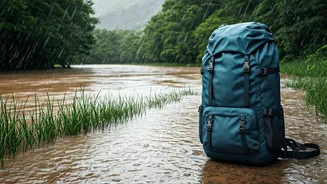
Travelling along the coast during the monsoon is fundamentally different from a trip at any other time of the year. While the scenery is at its most vibrant, the weather can turn in an instant. Heavy to very heavy rainfall is a primary concern, capable
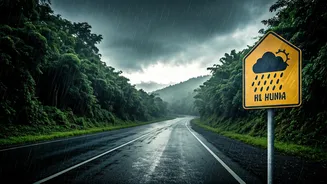
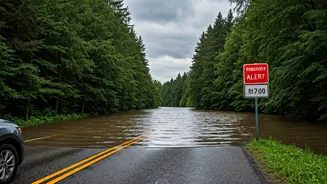
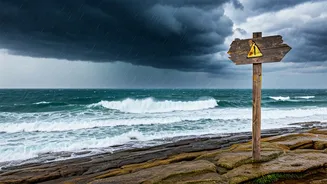
of causing localised flooding and waterlogging, particularly in urban and low-lying areas. This can lead to significant travel disruptions, from impassable roads to delayed or cancelled trains and flights. Beyond the inconvenience, there are serious safety hazards. Coastal areas become prone to rough seas, strong currents, and high tides, making beach activities and swimming dangerous. In hilly coastal regions, such as parts of the Konkan coast or the Western Ghats, incessant rain increases the risk of landslides and mudslides, which can block roads and isolate communities. The combination of strong winds and rain can also lead to power outages and communication disruptions, making it harder to access help or information.
Your Official Guide to Weather Alerts
In India, the principal authority for weather forecasting is the India Meteorological Department (IMD). The IMD issues a range of alerts, often colour-coded, to signify the severity of expected weather events. A Green alert means 'No Warning', Yellow means 'Be Updated', Orange means 'Be Prepared', and Red signifies 'Take Action'. These warnings cover everything from heavy rainfall and thunderstorms to cyclones. The National Disaster Management Authority (NDMA) works in tandem with the IMD to issue broader safety guidelines and coordinate response efforts during severe weather. Together, these agencies provide the most reliable information for travellers. Their alerts are disseminated through official websites, social media channels, and news broadcasts. Paying attention to these official sources is the first and most critical step in planning a safe monsoon journey.
Essential Apps for Real-Time Tracking
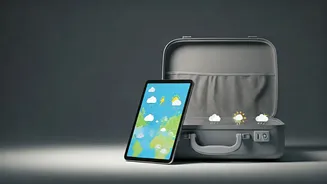
In today's digital age, staying informed is easier than ever. Several mobile applications provide direct access to official weather warnings. The 'MAUSAM' app is the IMD's official mobile application, offering location-specific forecasts, radar images, and warnings. For lightning, a significant risk during thunderstorms, the IMD has a dedicated app called 'Damini', which provides alerts for lightning strikes in your vicinity. Another government-backed app is 'Sachet', which serves as a common alerting platform. Beyond government apps, services like Skymet Weather offer reliable, India-focused forecasts that are popular for tracking monsoon progress. International apps like AccuWeather also provide detailed, localised rainfall predictions that can be very useful for on-the-ground planning. Having one or more of these apps on your phone is a non-negotiable for monsoon travel.
The Power of Local Knowledge
While technology provides a fantastic overview, it cannot replace on-the-ground intelligence. Local residents, hotel staff, tour operators, and local authorities have an intimate understanding of their environment. They know which roads are prone to flooding, which areas are at risk of landslides, and which beaches become dangerous with the turning tide. Before setting out for a local sightseeing trip, always check with your hotel or a local guide about the current conditions. They can provide invaluable advice that official forecasts might not cover in such detail. Often, local emergency services and police will put up temporary barricades or issue verbal warnings in high-risk areas. Heeding this advice is not just recommended; it is essential for your safety. Do not attempt to cross flooded roads or venture into areas that locals have warned you against.
A Monsoon Safety Checklist
Before you travel, check the IMD's extended forecast for your destination. Pack waterproof bags for your electronics and important documents, and carry a power bank, as power cuts can be common. Your packing list should include quick-drying clothes and appropriate waterproof footwear; navigating waterlogged streets in the wrong shoes can lead to injuries and infections. Also, include a basic first-aid kit with antiseptic, bandages, and any personal medications. While travelling, save contact numbers for your hotel, local police, and district disaster management office. Always inform someone of your itinerary. Finally, avoid eating street food that may have been exposed to contaminated water, and stick to bottled or boiled water to prevent waterborne illnesses.