

From Humble Staple to Culinary Star
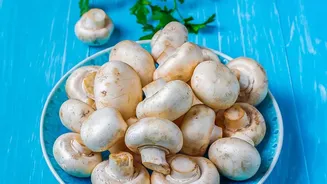
For a long time, the button mushroom was the primary, if not sole, representative of fungi in Indian cuisine. Often found in familiar dishes like matar mushroom or a simple masala, its role was reliable but rarely show-stopping. While nutritious and a staple
in many households, mushrooms were not typically seen as an ingredient capable of headlining a menu. This perception, however, is rapidly changing as Indian palates become more adventurous and a new world of fungi makes its way into the mainstream culinary consciousness. The production of mushrooms in India has seen impressive growth, driven by rising consumer awareness of their nutritional value and versatility.
The Gourmet Revolution in Restaurants
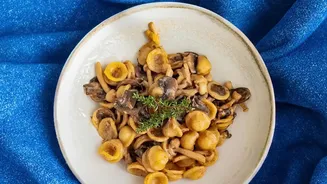
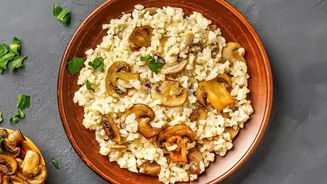
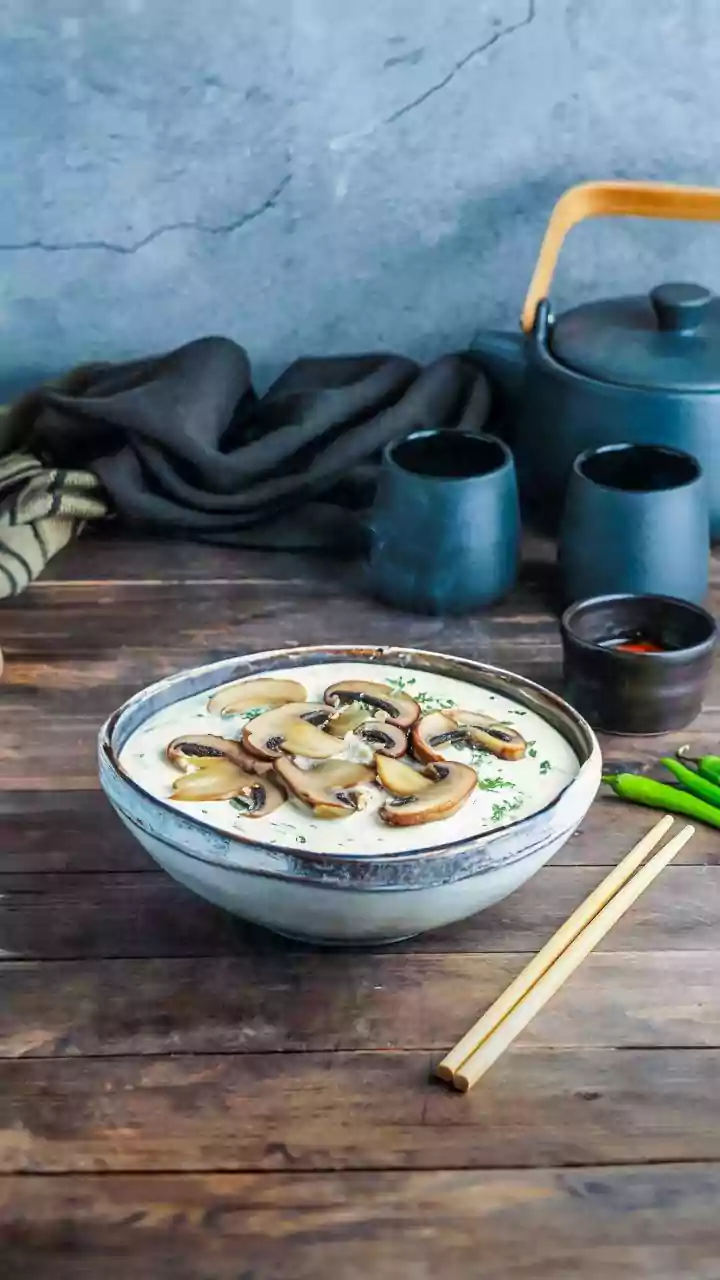
At the forefront of this shift are India’s top chefs and fine-dining establishments. No longer content with just button mushrooms, kitchens are embracing exotic and wild varieties like shiitake, oyster, enoki, and the prized morel, known locally as gucchi. These mushrooms offer a complex range of flavours and textures—from the smoky, umami-rich shiitake to the delicate, crunchy enoki. Restaurants are using them to add depth and sophistication to everything from risottos and stir-fries to innovative takes on Indian classics. The inclusion of diverse mushroom dishes on menus has increased significantly, reflecting a broader trend towards plant-based and gourmet vegetarian offerings that excite modern diners.
Shaken, Stirred, and Infused: Mushrooms in a Glass
Perhaps the most surprising frontier in the mushroom trend is the bar. Mixologists across the country are experimenting with the earthy, savoury notes of fungi to create unique cocktails. Techniques like fat-washing gin with truffle oil or creating complex cordials with shiitake and porcini are becoming more common. In cities like Hyderabad, Kolkata, and Mumbai, you can find mushroom-infused Negronis, Old Fashioneds with mushroom bitters, and even highballs built around a miso-butter bourbon and mushroom cordial. This creative use of mushrooms in beverages showcases a move towards more savoury, complex flavour profiles in India's evolving cocktail culture, treating the fungus not as a garnish but as a core flavour component.
The Rise of Local Cultivation
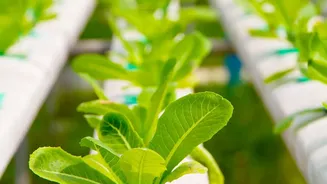
This culinary explosion wouldn't be possible without a corresponding revolution in agriculture. Mushroom cultivation in India, once a niche activity, is now a rapidly growing segment of horticulture. While button mushrooms still dominate, the cultivation of oyster, milky, and other exotic varieties is on the rise. States like Bihar, Maharashtra, and Odisha are leading production, supported by government initiatives and improved farming techniques. This growing local supply makes previously rare mushrooms more accessible and affordable for both restaurants and home cooks, fueling the cycle of experimentation and demand. The shift towards organic and sustainable cultivation methods further adds to their appeal among health-conscious urban consumers.
The Home Cook Joins the Fray
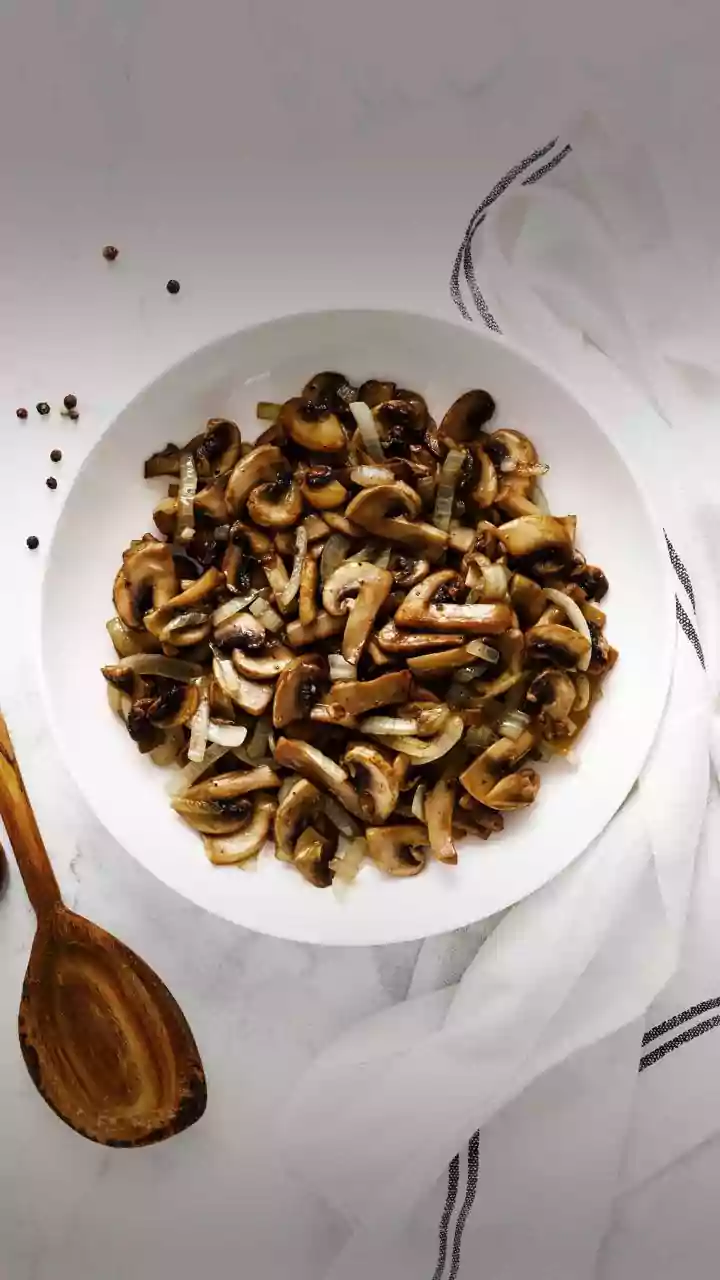
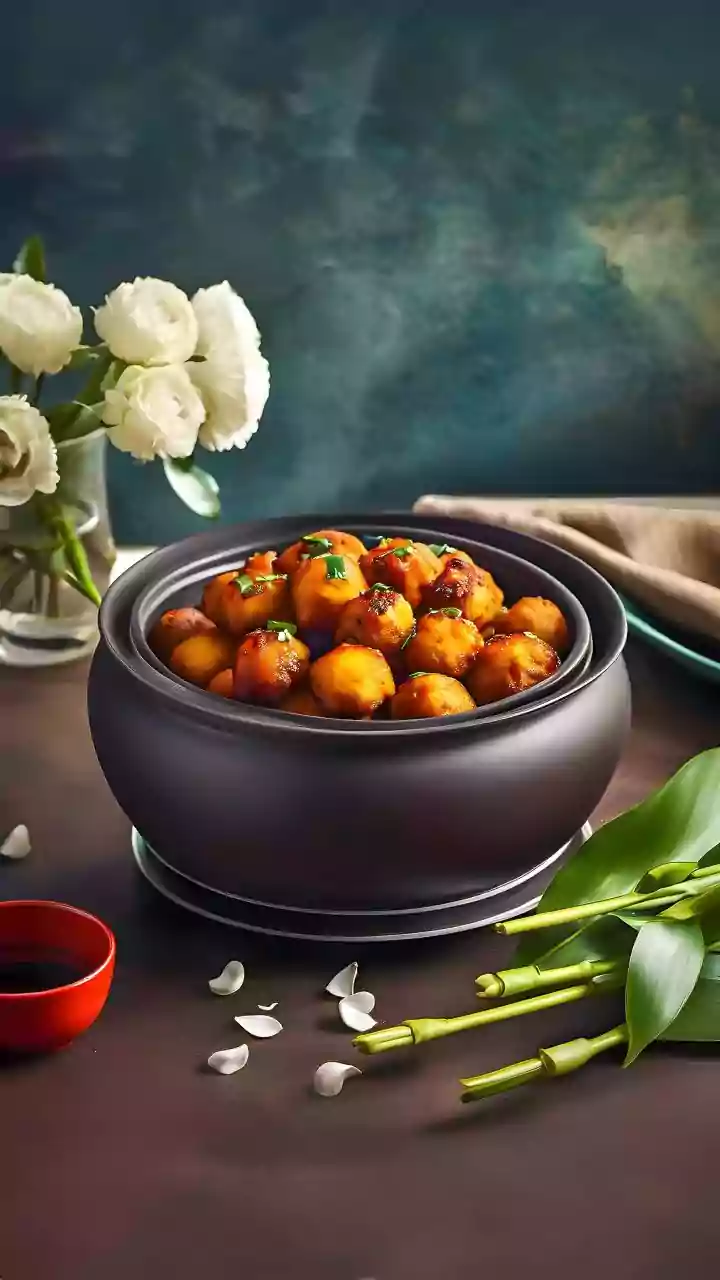
As exotic mushrooms become more visible in markets and on menus, their popularity in home kitchens is also soaring. Home cooks are moving beyond simple curries and trying their hand at more ambitious dishes like mushroom pepper fry, tandoori mushroom tikka, and even mushroom biryani. The availability of a wider range of mushrooms inspires creativity, allowing people to replicate restaurant-style dishes or invent their own. This trend reflects a broader curiosity and a desire for more diverse and flavourful home-cooked meals, cementing the mushroom's new status as a versatile and exciting ingredient for any occasion.