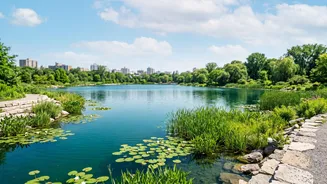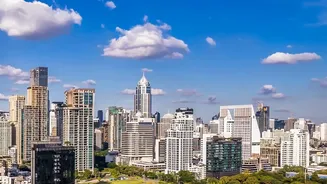








In the hustle of our cities, finding a moment of peace can feel impossible. But what if the solution is right in our midst? Revitalised urban lakes are emerging as serene oases, offering far more than just a pretty view for residents.
More Than Just Water
Across India, many
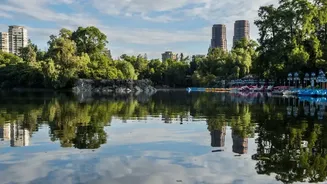
urban lakes, once neglected and polluted, are being transformed. These restoration projects are about more than just cleaning up a water body; they are about creating what urban planners call 'blue spaces'. These spaces are vital ecosystems that offer a refuge from the concrete and chaos of city life. They act as natural air conditioners, helping to reduce the urban heat island effect, and serve as sponges during heavy rains, mitigating flood risks. By bringing these water bodies back to life, cities are not just reclaiming a piece of nature, but investing in a critical piece of public infrastructure that serves the entire community.
A Prescription for Physical and Mental Health
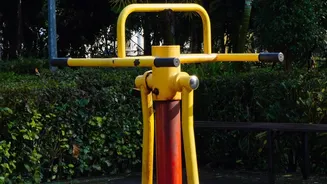
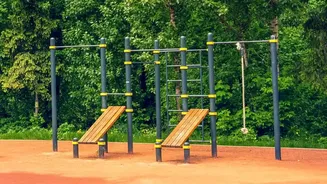
The health benefits of these blue spaces are immense. Studies increasingly show that access to environments with water can significantly boost mental well-being, reducing stress and anxiety. The simple act of walking by a tranquil lake or watching the sunset over the water can have a powerful calming effect. Beyond mental peace, these lakes actively promote physical health. They provide clean, open-air venues for jogging, walking, yoga, and other forms of exercise, free from the traffic and pollution of city streets. For many urban residents, a well-maintained lakeside promenade becomes their go-to spot for daily physical activity.
Weaving the Social Fabric
A restored lake quickly becomes the heart of a community. It's where neighbours meet during their morning walks, where families gather for picnics, and where children play. These shared activities foster social interaction and build a stronger sense of community pride and belonging. In cities like Bengaluru, community-led restoration efforts have not only revived lakes like Jakkur but have also empowered residents, giving them a stake in the management and protection of their local environment. These lakes become vibrant public squares, hosting community events, cultural festivals, and educational activities, further strengthening social bonds.
An Engine for the Local Economy
The positive effects of lake restoration ripple outwards into the local economy. Clean, beautiful lakes with recreational facilities attract visitors and can boost local tourism. This increased footfall supports nearby businesses, from small tea stalls to cafes and shops. Furthermore, wellmaintained public spaces like these often lead to an increase in surrounding property values, benefiting homeowners and the municipality. In some cities, there's even exploration into creating 'lake economies', where restored water bodies become hubs for local, womenled businesses and other ventures, turning an environmental asset into an economic one.
The Challenge of Sustaining the Blue
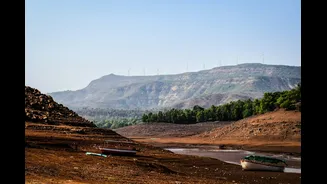
Of course, restoring and maintaining an urban lake is a significant undertaking. It requires a scientific approach to cleaning the water, stopping the inflow of sewage and industrial pollutants, removing encroachments, and managing solid waste. Success is not a onetime effort; it demands continuous monitoring, maintenance, and, most importantly, active participation from the community and unwavering support from local government. The challenges are real, but the longterm benefits to public health, the environment, and the community's quality of life make it a worthwhile and necessary investment for the future of our cities.