




The Age-Old Spice Standoff
For generations, the question of “how spicy?” has been a source of dining tension. Whether at a restaurant or at home, catering to different heat preferences often meant one of two compromises: making a dish too bland for the spice-lovers, too intense
for the spice-averse, or going through the trouble of preparing two entirely separate versions. This dilemma forces a choice between inclusivity and authenticity, where someone inevitably misses out on the intended experience. In a restaurant setting, this can lead to complex orders and kitchen inefficiencies. At home, it can mean doubling the cooking time for a single family meal, a prospect few have the energy for on a weeknight.
The New Rule: Flavour First, Heat Second
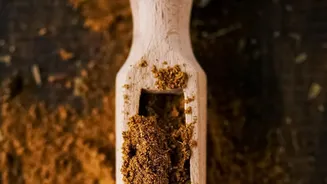
A smarter, more elegant solution is gaining traction in kitchens across India. The new philosophy separates the complex, aromatic profile of a dish from its pure heat. Chefs and home cooks are focusing on building a deeply flavourful, but mildly spicy, foundation. The intense, fiery element—the capsaicin-driven kick from chillies—is then treated as a finishing touch, a modular component to be added at the end. This approach respects the fact that 'spice' has two meanings: the layered aromatics of ingredients like cumin and coriander, and the burning sensation of 'heat'. By building a dish with the former and making the latter optional, no one has to compromise on flavour.
The Modern Spice Toolkit
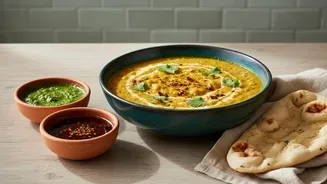
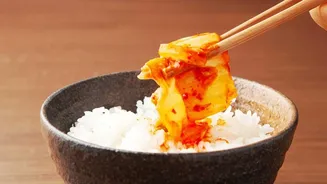
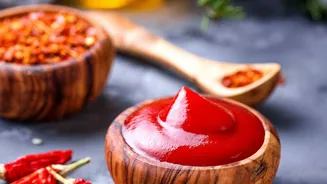
This trend is powered by a versatile toolkit of tableside additions. Instead of just a shaker of chilli flakes, restaurants and home entertainers are offering a curated selection of heat-infusers. This includes artisanal chilli oils, which add both heat and flavour from the oil's infusions. We're also seeing more 'tadka' or tempering stations, where a small bowl of hot oil with bloomed spices and chillies can be drizzled over a dish. Finely chopped fresh green chillies, house-made hot sauces, and fiery pickles (achaar) are also popular options. This allows each diner to become their own chef, adjusting the heat level bite by bite and creating a personalized experience without altering the core integrity of the main dish.
Smarter Kitchens, Happier Diners
For restaurants, this modular approach is a game-changer. It streamlines kitchen operations significantly. Instead of preparing multiple bespoke versions of a single menu item, the kitchen can produce one consistent batch, reducing errors and speeding up service. It minimizes food waste and allows for better inventory management. Most importantly, it improves the customer experience. Diners feel empowered and catered to, able to control their meal's intensity with confidence. It turns a potential point of complaint—“it’s too spicy” or “it’s not spicy enough”—into an opportunity for enjoyable customization, leading to higher customer satisfaction.
How to Try This at Home
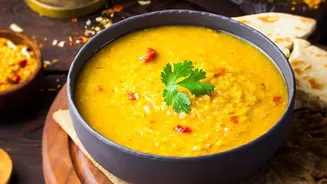
Bringing this trend into your own kitchen is simple and transformative for family meals. The next time you make a dal, curry, or sabzi, prepare the dish with all its aromatic spices but hold back on the chilli powder or fresh chillies. Let it be flavourful and enjoyable for the most sensitive palate at the table. Then, set up a small 'heat bar'. Offer a bowl of chopped green chillies, another with a simple chilli oil (made by gently warming oil and pouring it over red chilli flakes), and perhaps a favourite spicy pickle. This way, everyone sharing the meal can dial up the heat to their exact preference, turning dinner from a single statement into a lively, interactive conversation.