


The Monsoon Moisture Problem
The defining feature of India's monsoon season is the persistent high humidity. This dampness in the air means nothing dries quickly, including your pet’s dense fur. When a long-haired dog's coat remains wet, the moisture gets trapped against their skin,
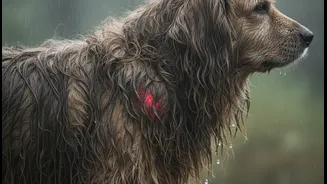
creating a warm, humid microenvironment. This dampness weakens the skin's natural protective barrier, making it an ideal breeding ground for bacteria and fungi that are normally present on the skin in manageable numbers. Letting a dog 'air-dry' in such conditions isn't really drying them at all; it’s marinating their skin in moisture, which can quickly lead to trouble.
Understanding Bacterial Dermatitis (Pyoderma)
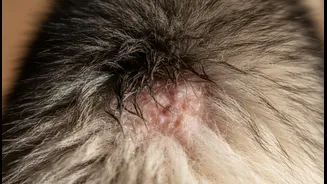
Bacterial dermatitis, also known as pyoderma, is a common skin infection in dogs that pet owners might know by its more colloquial name: 'hot spots'. It occurs when the skin's surface is compromised, allowing bacteria like Staphylococcus to multiply out of control. The signs often start with intense itching, redness, and a foul, musty odour. You may notice your dog obsessively licking, chewing, or scratching at a particular spot. This can rapidly progress to pus-filled bumps, scabs, hair loss, and painful, oozing sores. Deep infections can be extremely painful and require veterinary intervention.
Why Long-Haired Breeds Are Most at Risk
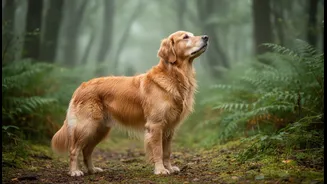
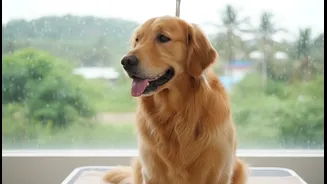
While any dog can get a skin infection, long-haired and double-coated breeds are particularly vulnerable, especially during the monsoon. Breeds popular in India like German Shepherds, Golden Retrievers, Spitz, and Shih Tzus have thick undercoats designed for insulation. This dense fur is magnificent but also masterful at trapping water. Air simply cannot circulate effectively to dry the skin underneath. Mats and tangles, which are more common when a wet coat is left unattended, make the problem even worse by creating tight clumps of fur that hold moisture directly against the skin for extended periods.
The Right Way to Dry Your Dog
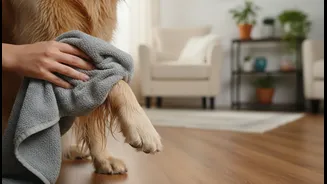
The key to prevention is to never let your dog air-dry after a rainy walk. A thorough drying routine is non-negotiable. Start with a highly absorbent microfiber towel. Instead of rubbing vigorously, which can cause tangles and irritate the skin, gently pat and squeeze the fur to blot out as much water as possible. Pay special attention to the belly, armpits, paws, and tail area. For long-haired breeds, a towel is just the first step. Follow up with a pet-specific blow dryer on a low-heat or cool setting. Human hair dryers are often too hot and can burn their sensitive skin. Keep the dryer moving and hold it a few inches away from the coat, using your other hand or a brush to lift the fur and ensure the air reaches the skin underneath.
Essential Monsoon Grooming Habits
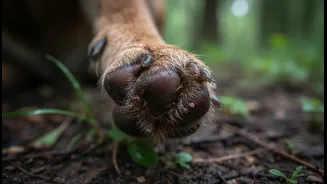
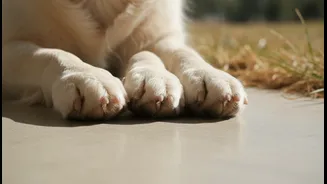
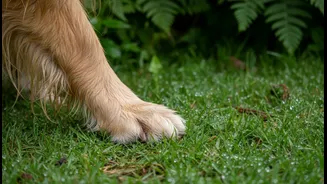
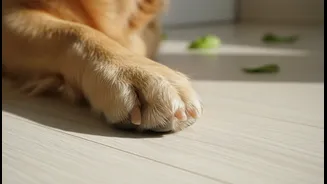
Beyond just drying, a consistent grooming routine is your best defence. Daily brushing is crucial during the monsoon to prevent mats and remove loose fur, which helps improve air circulation to the skin. Always clean your pet’s paws after a walk to remove mud and debris that can harbour bacteria. It's also a good idea to keep the hair trimmed, particularly between the paw pads and around the ears and sanitary areas, to reduce moisture traps. Regularly check your dog's skin by running your fingers through their coat, feeling for any bumps, redness, or signs of irritation, especially in skin folds.