







From Comfort Cup to Curated Experience
For years, the evolution of café culture in India was defined by the second wave—a move from instant coffee at home to espresso-based drinks like cappuccinos and lattes in branded chains. This wave made coffee a social experience, but the focus was often
on the atmosphere and the milky, sweet beverage rather than the coffee itself. The latte was the perfect symbol of this era: familiar, consistent, and comforting. However, a quieter, more profound change is now underway. Urban coffee drinkers, particularly millennials and Gen Z, are increasingly seeking more from their cup. They aren't just looking for a caffeine hit; they're looking for a story, a new flavour, and a deeper appreciation for the craft, signalling the arrival of India's third and fourth waves of coffee culture.
What is a Single-Origin Coffee Flight?
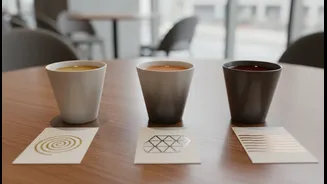
Think of it as a tasting menu for coffee. A flight typically consists of three to five small servings of different coffees served side-by-side. The focus is often on single-origin beans. Unlike blends, which combine beans from various places to create a consistent, balanced flavour profile, single-origin coffees come from one specific farm or region. This allows the unique characteristics of that location—its soil, climate, and altitude, collectively known as 'terroir'—to shine through. A flight might feature three different single-origin black coffees, allowing you to compare the fruity notes of an Ethiopian bean with the chocolatey finish of one from Chikmagalur. Or, it could showcase one bean brewed in multiple ways, like an espresso, a pour-over, and a cold brew. This format turns coffee drinking from a passive act into an active exploration.
The Rise of the Educated Consumer
The growing popularity of coffee flights is directly linked to a more educated and curious consumer base. Today's coffee enthusiast in cities like Mumbai, Bangalore, and Delhi wants to know where their coffee comes from. They're interested in the difference between a washed and a natural process bean, the tasting notes on the bag, and the story of the estate where it was grown. The specialty coffee movement, led by homegrown roasters and cafés, has been pivotal in this shift, making knowledge accessible and turning baristas into guides. Coffee flights are the perfect educational tool in this environment. They offer a low-commitment way for customers to try something new, demystifying complex flavours and helping them discover their own preferences without having to order a full cup of something they might not like.
Experience Over Everything
This trend is also part of a broader shift in consumer behaviour that prioritises experiences over mere products. A latte is a drink; a coffee flight is an event. It's interactive, shareable, and highly 'Instagrammable'. Cafés have leaned into this, serving flights on custom wooden trays with tasting notes, sometimes even pairing them with small treats like cookies. For a generation that documents and shares its daily life, the visual appeal and storytelling potential of a coffee flight are significant drivers of its popularity. It transforms a simple coffee break into a memorable activity, something to be discussed, debated, and recommended.
A Smart Move for Cafés
For specialty coffee shops, flights are more than just a passing trend; they are a savvy business strategy. They provide an ideal platform to showcase the quality and diversity of their bean selection, especially their premium single-origin offerings. This not only justifies a higher price point but also builds a reputation for quality and expertise. Furthermore, flights encourage customers to engage more deeply with the menu and the staff. A customer who discovers a new favourite bean through a flight is more likely to return to buy a full cup or even a bag of beans to brew at home, fostering a loyal and appreciative customer base. This strategy is helping to grow India's specialty coffee market, which is projected to expand significantly in the coming years.