




The Main Event: A Dazzling Moon Meets the Seven Sisters
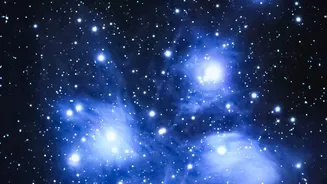
The highlight for the nights of October 27 and 28 is a beautiful close approach between the Moon and the Pleiades star cluster. Known as the Seven Sisters, or Krittika in Indian astronomy, the Pleiades is one of the most recognisable and stunning star clusters
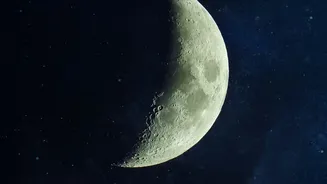
in the night sky. On these nights, the bright, nearly full Moon will pass very close to this cluster, creating a striking sight. From some locations, the Moon may even briefly hide some of the cluster's stars in an event called an occultation. The Pleiades cluster is easily visible to the naked eye as a small, misty patch of stars, often resembling a tiny dipper. Through a pair of binoculars, the view will be even more spectacular, resolving the cluster into dozens of glittering blue-white stars right next to our brilliant Moon. Look towards the eastern sky in the evening to catch this celestial meeting.
Don't Miss the Lord of the Rings
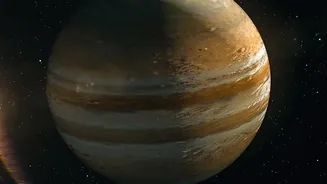
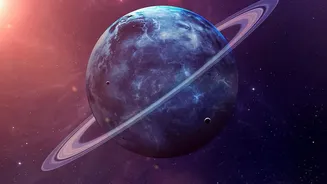
While the Moon and Pleiades are dancing, don't forget to look for the king of the planets for 2026: Saturn. The ringed planet reached its peak viewing position, known as opposition, earlier in October, making it visible all night long. This means that on October 27 and 28, Saturn will still be big, bright, and beautifully placed for observation. It will rise in the eastern sky around sunset and track across the sky throughout the night. To the naked eye, it will appear as a bright, steady, yellowish-white 'star' that doesn't twinkle. If you have access to a small telescope, you'll be rewarded with a view of its magnificent rings, which are a truly unforgettable sight. Saturn provides a wonderful and reliable target for city dwellers, as its brightness cuts through moderate light pollution.
What About the Meteor Shower?
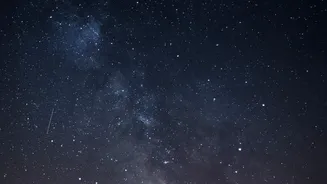
You may have heard that the Orionid meteor shower, famous for being debris from Halley's Comet, is active in October. While its peak was around October 21-22, some meteors can still be seen in the following days. However, for the nights of October 27 and 28, there is a major challenge: the Moon. The full moon occurs on October 26, meaning on the nights of the 27th and 28th, the Moon will be a Waning Gibbous, shining at over 90% brightness. This intense moonlight will unfortunately wash out all but the very brightest meteors, making them extremely difficult to spot. While you might get lucky and see a bright meteor streak by, it's best to manage expectations and focus on the more certain sights like the Moon-Pleiades pairing and the planet Saturn.
Your Sky-Watching Checklist
To make the most of your nights under the stars, a little preparation goes a long way. First, find the darkest spot you can, away from direct streetlights and building lights. Even in a city, a park or a rooftop can offer a better view. Give your eyes at least 15-20 minutes to adapt to the darkness; this will help you see fainter stars. If you have binoculars, be sure to bring them along—they are perfect for getting a closer look at the Pleiades and the craters of the Moon. Consider downloading a stargazing app like Stellarium or SkyView. These apps use your phone's location to show you exactly where to look for planets, constellations, and the events mentioned here. Finally, October nights can get chilly, so dress in warm layers and get comfortable as you enjoy the celestial show.